The missing or troublesome tooth
Say whether the tooth is gone or whether removal has been mentioned. If it is still present, ask whether it could reasonably be kept; that path is worth understanding before any replacement is discussed.


The word surgery puts many people off before they have asked a single question. From Rockwood, an implant assessment is simply a conversation and an examination: a calm chance to learn about the site, your health and every replacement option.
It is common to put off asking about a missing tooth because the idea of oral surgery feels daunting. The assessment involves no surgery at all. It is time to talk, an examination of the gap and the teeth and gums around it, and a review of your health, so you can find out what would actually be involved before deciding how you feel about it.
Knowing the stages often makes them less intimidating. Support is placed in the jaw during a procedure, a healing period follows, and later a crown or other restoration is attached. After that, the result is cleaned at home and checked at regular visits. Hearing how each stage works, and how it compares with a bridge or a removable tooth, helps you make a choice you are comfortable with.
Bring your worries as well as your questions. You will not be asked to agree to anything on the day. We will explain what we see, what might still need checking, and what alternatives exist, including ones that involve no surgery.
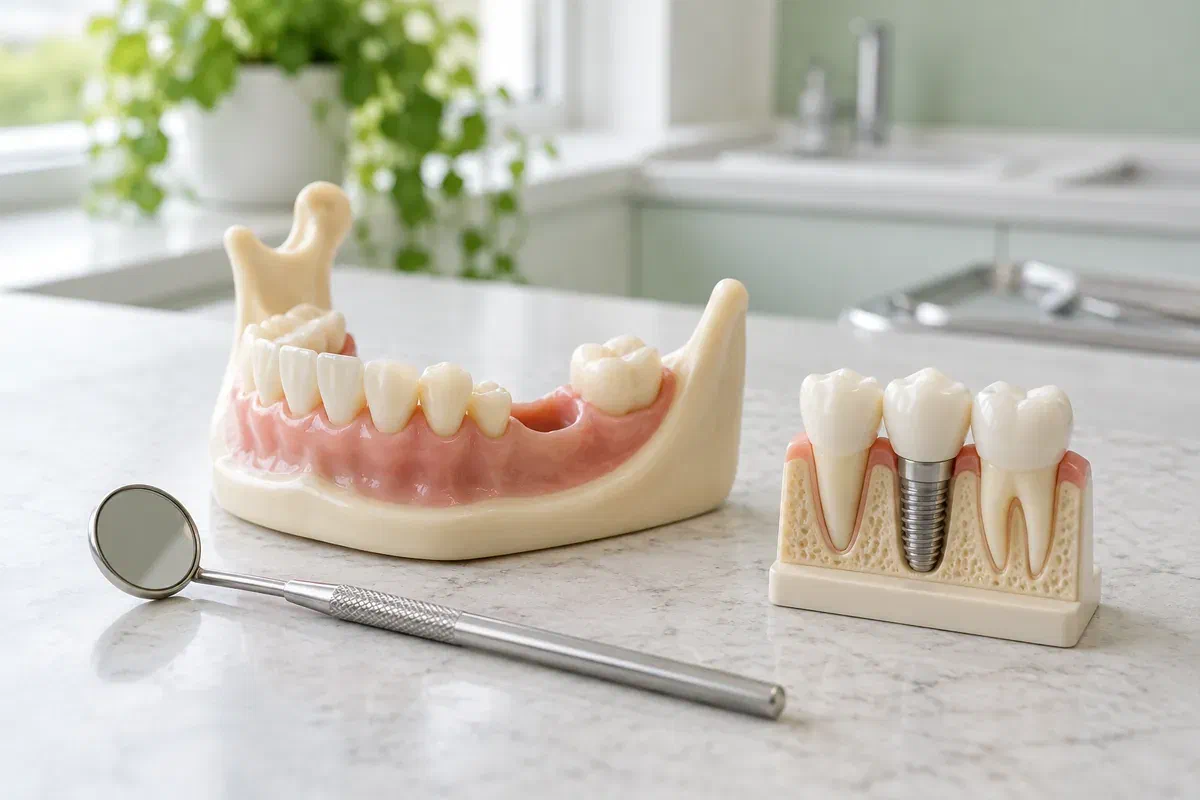
Any replacement has to be well supported, practical to clean and planned in a sensible order. How you feel about treatment is also part of a good assessment.
Say whether the tooth is gone or whether removal has been mentioned. If it is still present, ask whether it could reasonably be kept; that path is worth understanding before any replacement is discussed.
Share your current medicines, supplements and past significant treatment. This helps the clinician think about healing and safety, and whether to involve your physician.
Let us know about past dental experiences that made you anxious, how often you can attend, and what you want most from a replacement. Those details help shape a plan you can feel settled with.
Keep taking any prescribed medicine normally before your visit. Changes for dental reasons should only be decided with the clinicians who prescribe it.
The assessment shows what needs to be understood before implant care is considered further. That might include gum health, the condition of the site, the teeth on either side, or a medical issue that changes the timing.
Your first visit may simply lead to more information. If a scan, a closer examination or a referral is suggested, ask what it will clarify and how it helps you decide, so each step feels purposeful.
You will learn what seems feasible and what still needs investigating, rather than relying on dramatic stories or a general timeline you have read.
Compare an implant with a bridge or removable replacement, considering preparation, upkeep, visits and limitations, as well as how each would feel to go through.
If different clinicians handle different stages, find out early. Knowing who will be in the room for each step can make the process feel more manageable.
You may not get every answer in one visit. We will explain what can be assessed now, which records might help, and when a fuller recommendation could be made.
We begin with how long the gap has been there, any earlier replacement, and what you want to change. We also ask about your health, medicines and anything that makes dental visits difficult for you.
The dentist examines the teeth, gums, bite and the space at the site. If something should be treated before implant planning, we explain why and what that care would involve.
Imaging or other records can help show the bone and nearby structures. We will explain what each involves and why, whether earlier images could help, and whether another clinician’s input would be useful.
We share what we found and what is still uncertain. Ask about every stage, how comfort is managed during procedures, any temporary tooth, fees and maintenance before you decide anything.
An assessment does not schedule surgery. Before you leave, make sure you know what, if anything, was agreed, what the next step would be, and how any current dental problem will be cared for.
Keep the outline, estimates and any referral information in one place. Go through them when you have time, and ask about anything that worries you before agreeing to more.
Gum care or treatment for other teeth may be recommended first. These are often simpler visits, and they help show what needs to be in place before implant decisions.
If your medicines, health or dental symptoms change while you are thinking things over, let the clinic know. Your plan can be updated, and an older assessment may need a fresh look.
There is room at the assessment for any concern, however small it seems. You do not need technical knowledge to book.
Coming from Rockwood, you can spend an unhurried appointment at our Bronte Street practice simply learning what replacing your tooth would involve, with no pressure to commit. We will explain your starting point, what is still unknown and the practical stages of each option.
There is no need to write out your health history in an online enquiry. Sensitive medical and medication information is better discussed face to face with the clinical team.
