Bone that has drifted from the ideal
After a tooth is lost, the ridge can recede in a way that leaves bone short of where the crown would need it. Share the tooth’s history and any treatment since; up-to-date imaging still shows the site best.


A good implant plan starts with the tooth you will eventually see and chew with, then works backwards to the bone. From Bolton or elsewhere in Caledon, explore how grafting may serve that final tooth, and what else could.
Think about how you want the replacement to look in a photo, feel when you bite into an apple and sit beside its neighbours. Those goals shape where an implant should go. When the bone at that spot is not enough, a graft may be proposed to support it, and only if your site and wider plan genuinely call for one.
Grafts range from a small top-up at the time of implant placement to a separate surgery with its own healing before the implant is planned. The scale matters, because it alters the visit count, the recovery and how long you will wait for the final tooth. Ask which version is being described and why.
For households across Caledon weighing this up, our Bronte Street team can explain what the records show and how a grafting recommendation connects to the finished tooth. Expect a clear account of the intended benefit, the alternatives, who would carry out the graft and how its healing will be confirmed.
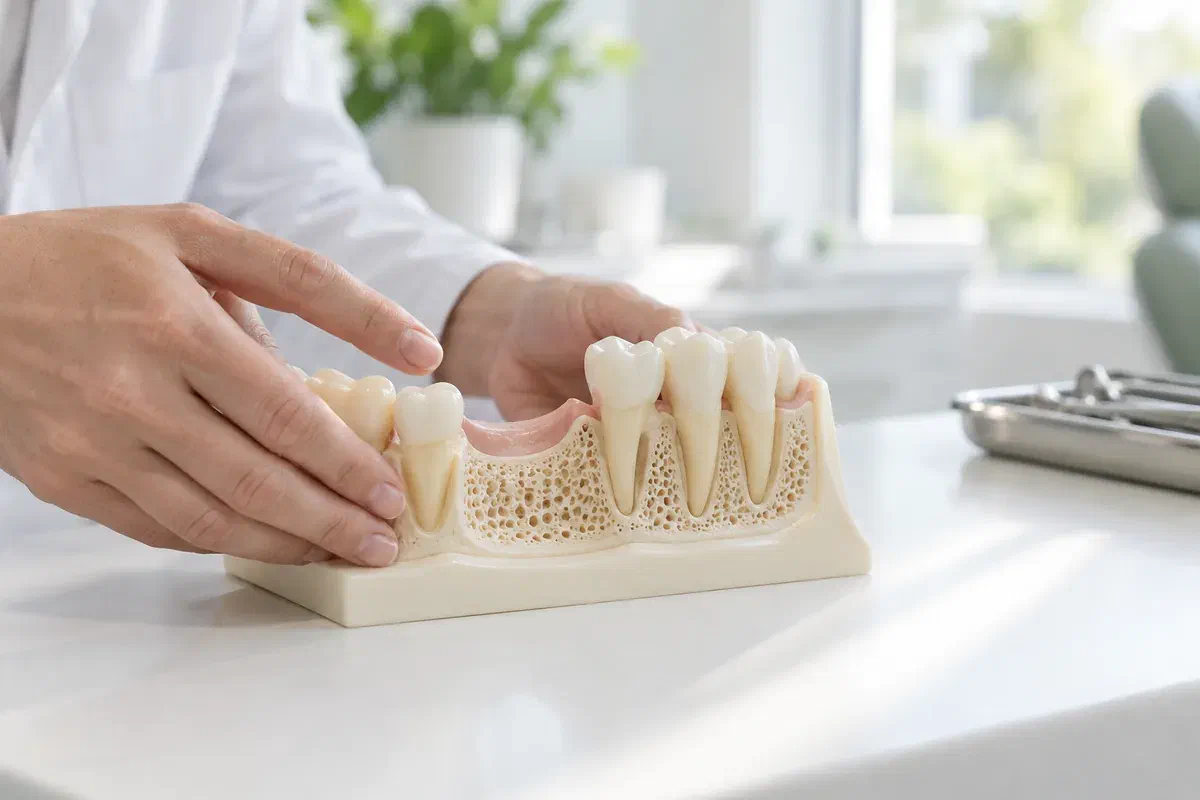
From the outside, a gap gives no sense of whether the bone sits where the tooth should. The clinician compares the two and considers how the finished replacement will be supported, cleaned and maintained.
After a tooth is lost, the ridge can recede in a way that leaves bone short of where the crown would need it. Share the tooth’s history and any treatment since; up-to-date imaging still shows the site best.
Bone shape and nearby structures can limit the direction or depth of an implant. Ask how the records guided the recommendation and whether a specialist assessment would help before committing to a grafting method.
Where grafting is suggested, ask how it lines up with any extraction, the implant and the temporary and final teeth. Healing sets the pace, so the date of the finished crown remains approximate.
Some implants can be placed without any graft. Equally, a successful graft cannot promise that the implant will follow, and the site is reviewed before each step.
In a suitable site, grafting aims to add bone so the implant can sit in a position that suits the replacement tooth. The clinician should link this to a specific finding in your mouth, not to a belief that implants always need it.
That aim sits alongside an extra surgical step, more healing time and added cost, and the graft may bring complications or improve the site less than planned. Ask what would happen to the final tooth design in that case, and whether another approach could still meet your expectations.
Patient information: Cambridge University Hospitals — bone grafting for dental implants
Ask how the graft helps the implant support a tooth that looks and works as intended, and what compromises in shape or gum contour might remain after healing.
Staging allows the graft to heal and be reviewed before the implant is placed. Ask what will be assessed and how the findings could influence the final tooth.
Understanding the preparation needed helps you compare an implant with other replacements on the basis of the finished tooth. Factor the graft and its healing into that comparison.
The steps and recovery depend on the type and amount of graft. The clinician carrying it out should explain the approach clearly, tell you whether another practitioner is involved and say when your next visit is likely.
The team reviews your mouth, medical history, medicines and suitable imaging, and discusses the tooth you want. They explain the finding behind the grafting question and whether other dental care should come first.
Discuss the source of material, the extent of treatment and whether another site is involved. Go over risks, benefits, alternatives and comfort measures, and the possibility that later findings will change the sequence.
The agreed procedure is completed and written aftercare is given. Before going home, be clear on what to expect, which medicines and care steps apply and how to reach the right clinician.
Follow-up checks how the site is progressing and what else is needed. Placement and restoration proceed when findings support them, not simply because a set number of weeks has gone by.
Recovery advice must match your procedure, and no general summary can do that. Keep your instructions and contact numbers close by, and ask about anything that is difficult to manage day to day.
Check what you can eat, how to keep the area clean, what activity is fine and whether a temporary tooth can rest on the site. Leave stitches untouched and avoid poking the area. Call if something seems unusual.
Follow the directions you were given, and ask the clinician or pharmacist about interactions or side effects. Do not adjust medicines because of general reading about bone-graft recovery.
Attend scheduled checks even if the area feels comfortable. Call about unexpected or worsening symptoms under your postoperative instructions, rather than waiting for the next implant appointment.
Appearance, function and planning questions come up often. Bring them to your consultation before agreeing to treatment.
Arrange time at our Bronte Street clinic to discuss the planned implant site, the replacement tooth you have in mind and any recommendation for added bone. We can explain the purpose, sequence and questions to settle before you choose a pathway.
If a graft has already been done and healing concerns you, contact the clinician who performed it through the postoperative contacts provided.
