Changes after the tooth was lost
The ridge under the gap may have a different shape from the one the implant needs. Share when the tooth was removed and any treatment since, while remembering that a current examination is what really shows the site.


One implant plan includes a bone graft and another does not. If you are coming from Oakville with two opinions in hand, we can help you see what each recommendation is based on and what the stages would involve.
It is not unusual to hear different suggestions about the same gap. One clinician may propose a bone graft, another may not, and both can be reasoning from what they saw. A graft is considered when the planned implant position needs more bone, and that judgement depends on the site and the wider plan.
Part of the difference often lies in scope. Adding a little material during implant placement is a very different undertaking from a separate grafting surgery with its own healing time. Find out exactly which approach each plan describes, since that changes appointments, recovery and timing.
For anyone travelling in from Oakville, our Bronte Street team can go over the assessment behind a grafting recommendation and the questions still open. You should leave knowing the intended benefit, the alternatives, who would do the procedure and how the result will be checked.
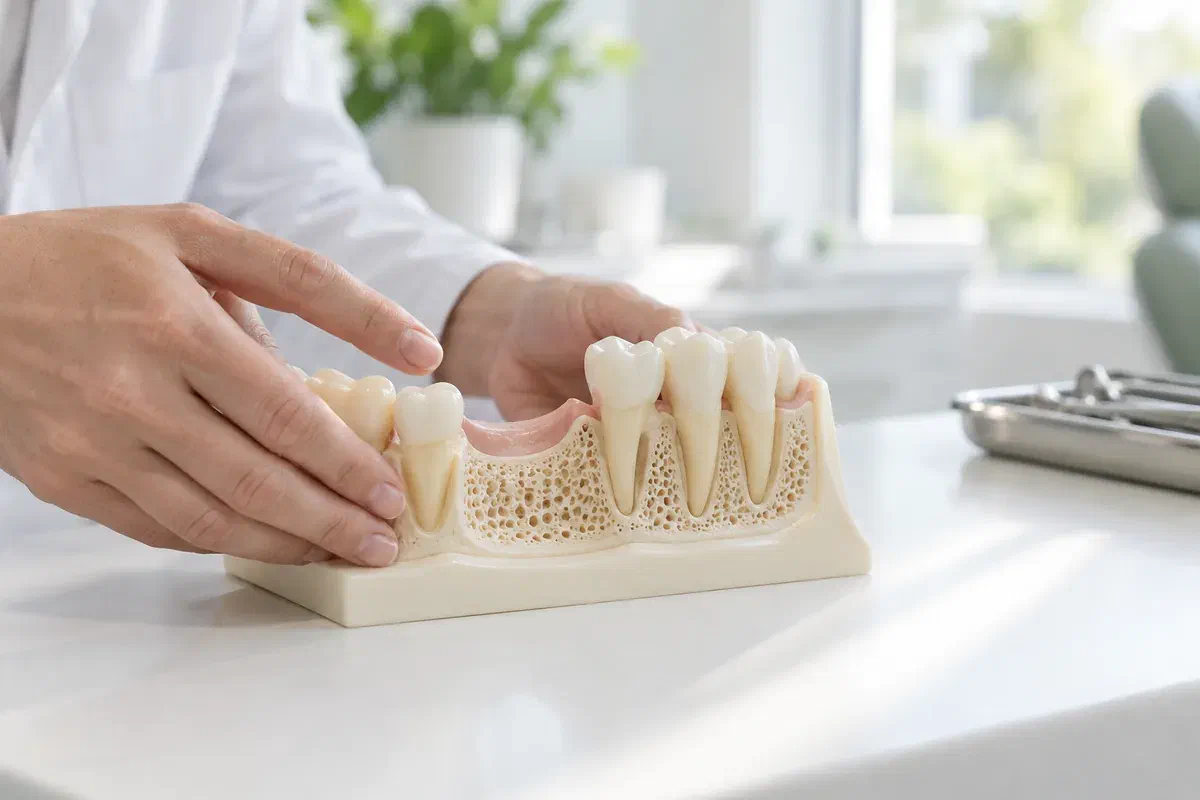
Looking at the gap tells only part of the story. A clinician planning an implant studies the site beneath it and thinks about how the eventual tooth will be held and cared for.
The ridge under the gap may have a different shape from the one the implant needs. Share when the tooth was removed and any treatment since, while remembering that a current examination is what really shows the site.
The form of the bone and what lies nearby can restrict where an implant can go. Ask how your imaging informs each recommendation and whether further records or a specialist’s opinion would clarify things.
When grafting is part of a plan, ask how it connects to any extraction, the implant and the final tooth. Since some steps wait for healing, the completion date usually cannot be fixed at the outset.
A graft is not part of every implant plan, and having one does not ensure that an implant will be possible afterwards. Reassessment continues throughout.
When a site suits it, grafting aims to add to the bone available for the implant. A good explanation ties the recommendation to something specific at your site, not to the idea that grafting is a routine extra.
The potential gain comes with another procedure, more healing, extra cost and the risk of complications or a result that does not go as far as planned. Ask what the next move would be in that case, and whether another approach could meet your priorities.
Patient information: Cambridge University Hospitals — bone grafting for dental implants
Where the implant goes should fit the tooth that will be built on it. Ask how the graft serves that restoration and what limitations could remain once healing is complete.
A staged plan can let the graft heal and be reviewed before the implant goes in. If that is suggested, ask what the review will look for and what decides readiness.
When both plans spell out their preparation, they become easier to compare with each other and with non-implant options. Include the graft procedure and its follow-up in that weighing.
The type and extent of grafting shape both the procedure and the recovery. The clinician carrying it out should explain the plan in plain terms, including any referral and how follow-up is arranged.
The mouth, your medical history, medicines and appropriate imaging are reviewed. You hear what finding raises the question of a graft and whether other oral health needs should be addressed first.
Discuss the source of the material, how much grafting is planned and whether another site is involved. Cover the benefits, risks, alternatives and comfort measures, and the chance that later findings shift the sequence.
The agreed procedure is completed and specific aftercare instructions are provided. Confirm before you leave what recovery should look like, which medicines and care steps apply and who to contact if something worries you.
Follow-up shows how the site is progressing and whether more information is needed. Implant placement or restoration then proceeds on the basis of findings, rather than a set number of weeks.
No overview can replace the guidance tied to your own procedure. Keep the written instructions and contact details at hand, and ask about anything you are unsure how to manage at home.
Ask about food, cleaning, activity and any temporary tooth or appliance that touches the area. Do not pull at stitches or test the site with your tongue or objects. Get in touch if it looks different from what you were told.
Use medicines as prescribed, and bring questions about side effects or interactions to the clinician or a pharmacist. Do not change anything because of a general description of what grafting recovery is like.
Reviews matter even if the area feels comfortable. Unexpected or worsening symptoms call for a prompt call using your postoperative instructions, not a wait until the next implant-planning visit.
Comparing recommendations raises its own set of questions. Bring them to the consultation so you can see how each plan fits together.
Arrange a visit to our Bronte Street clinic to discuss the proposed implant site and any recommendation for added bone. We can help you understand the reasoning, the sequence and the open questions before you decide which pathway to follow.
If a graft has already been done elsewhere and you are concerned about healing, contact the clinician responsible for it through the aftercare arrangements you were given.
