A filling has lost a piece
A partly broken repair can leave a ledge or opening. What replaces it is decided once the dentist can see how much sound tooth is left, rather than on the size of the original filling alone.


Have you started chewing on one side to spare a damaged molar? From Acton, you can have that tooth examined, along with your bite, to see whether an inlay could restore it or whether it needs a different repair.
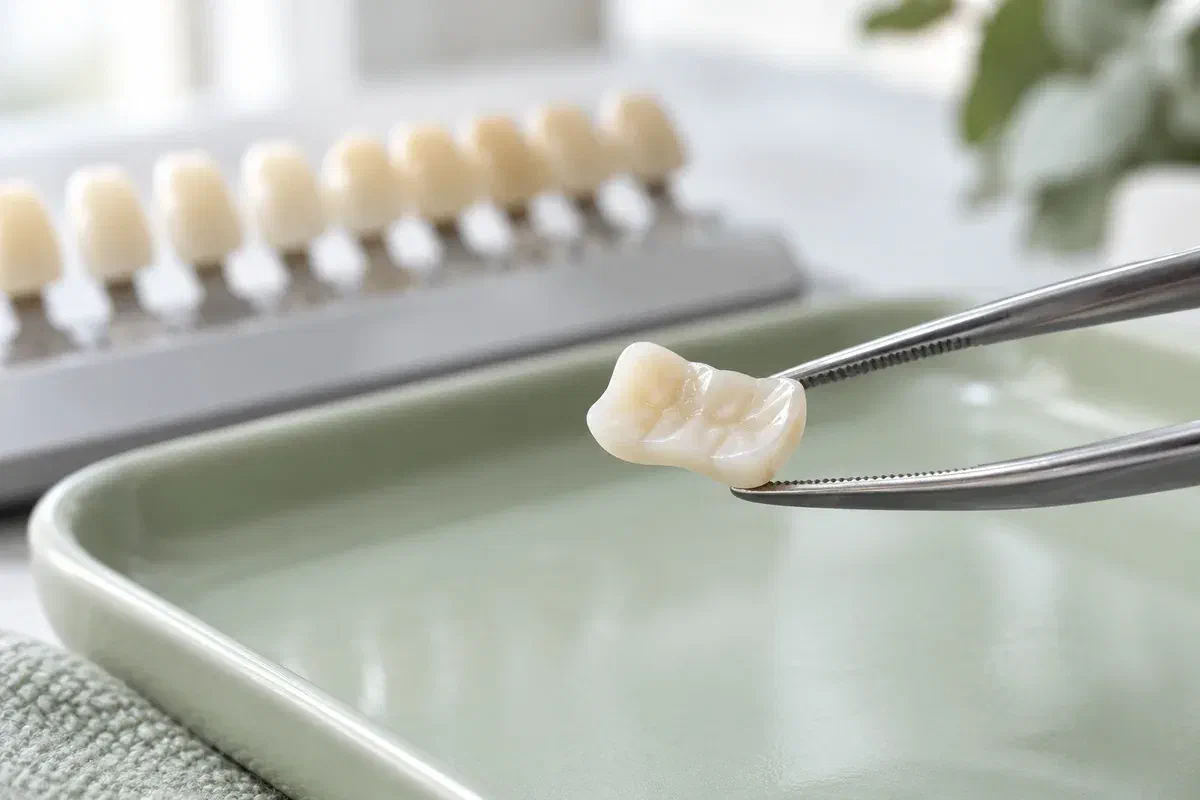
Habits shift quietly. A molar loses a corner of its filling, food starts to feel strange on that side, and before long every meal goes to the other side of the mouth. Bringing that tooth back into use is often the real goal. An inlay is one possible way: a custom restoration made outside the mouth for a prepared space inside the cusps, then bonded in place.
Its suitability depends on the tooth. An inlay is usually discussed when a direct filling is not the preferred route and yet the cusps are strong enough that covering them with a crown is unnecessary. Your bite matters too, since the forces a restoration has to withstand influence the design and the material.
When you come in from Acton, tell us which side you have been favouring and for how long. Mention any clenching or grinding you are aware of, earlier repairs and what you would like from treatment. We can then describe what we see and whether a fitted restoration suits the tooth.
Chewing elsewhere may ease discomfort for a while, but the tooth still needs to be assessed. The dentist looks at the size of the damage and, just as importantly, at the strength of the walls surrounding it.
A partly broken repair can leave a ledge or opening. What replaces it is decided once the dentist can see how much sound tooth is left, rather than on the size of the original filling alone.
Damage can alter how the upper and lower teeth meet. Ask which parts of the tooth are healthy, and whether a restoration could stay within them or would need to protect a cusp under heavy load.
A model or an image of your own molar can show the difference between filling, inlay, onlay and crown far better than the words. Ask to see one.
Pain, a possible crack or signs that the nerve is affected need diagnosing first. The design of the eventual restoration is a separate decision that does not replace that step.
Made to fit the prepared tooth and checked against your bite before bonding, an inlay can rebuild a suitable defect while leaving healthy cusps around it uncovered.
Like any restoration, it has limits. Preparation is needed, and the material, fit, remaining tooth and the forces you put through it all shape the advice. If you clench or grind, ask how that affects the choice, and what an inlay offers over a direct filling.
Patient information: Cleveland Clinic — restorative dentistry and inlays
The design can recreate the missing surface and how it meets both the neighbouring teeth and the opposing tooth. Ask which features are most important to get right for comfortable chewing.
Strong cusps may not need to be reduced and covered. Keeping them is sensible only while they can still handle the loads your bite places on them.
Bite forces, position, visibility and space all influence which material is suitable. Ask which options would work here and how they compare in strength, appearance, limitations and cost.
How many visits are needed depends on how the inlay is made and what the tooth requires. Ask whether a temporary will be placed and how to use that side of your mouth while you wait.
The dentist reviews the damaged area, symptoms, earlier restorations and how your teeth come together. Imaging or tests may confirm that an inlay is appropriate, or show that something else needs treating first.
Once you agree to proceed and comfort measures are used, the tooth is shaped for the chosen restoration. Its form is captured with a scan or impression, and any temporary protection is explained.
The inlay is tried in and assessed for fit, contacts and how it meets the opposing teeth, including in side-to-side movements. Appearance can be reviewed too. Adjustments are made before it is secured.
A bonding or cementing method suited to the material is used. After a final check, you are given guidance on eating, cleaning and whether a night guard or other protection should be discussed.
An inlay restores lost structure, though the natural tooth around it still relies on daily prevention. Follow the guidance from your fitting, and tell us if chewing on that side feels uncomfortable.
What you can eat at first may depend on the material and on numbness. Ask when normal chewing can resume, and avoid nipping your tongue or cheek while you are still frozen.
Brush with a fluoride toothpaste and clean between your teeth each day. If a contact traps food or catches floss, mention it so it can be examined rather than leaving you to avoid that side again.
A tooth that hits first when you close, stays sensitive or has a rough spot should be reviewed. Do not try to adjust it yourself, and avoid testing it on hard foods.
Knowing what a fitted repair replaces, and what pressures it will face, helps you weigh it up. These questions may be useful when you talk about your tooth.
Arrange a visit to our Bronte Street practice for a molar you have been avoiding or a filling that has broken. We will examine the tooth and your bite, then talk you through whether an inlay, a filling or more coverage fits.
When you call, tell us about any pain, swelling, recent breakage or grinding, so we can allow enough time for the examination.
