A filling is past its best
Wear, chipping or leakage may mean the existing repair needs replacing. The new design depends on what remains after the old filling comes out, not simply on how large the previous one was.


Is a fitted inlay worth an extra appointment, or would a filling do? For households in Campbellville that group trips into town, we explain honestly what each option offers for the particular tooth.
For many rural households, a dental appointment is planned alongside errands, farm chores or school runs. So when a dentist mentions an inlay, the honest follow-up is whether its benefits justify the added stage. An inlay is a restoration fabricated away from the chair for a prepared space within the cusps of a back tooth, then tried in and bonded.
The answer lies in the tooth itself. An inlay tends to be offered when a filling placed directly is not well suited to the defect, but the cusps are healthy enough that a crown would be more than required. In some teeth the simpler option is perfectly appropriate; in others, the fitted one may suit the structure better.
From Campbellville, let us know how you usually plan trips into the town centre, along with your symptoms, the tooth’s repair history and what you value most. After examining the tooth, we can set out the reasons for and against a fitted restoration so you can make an informed choice.
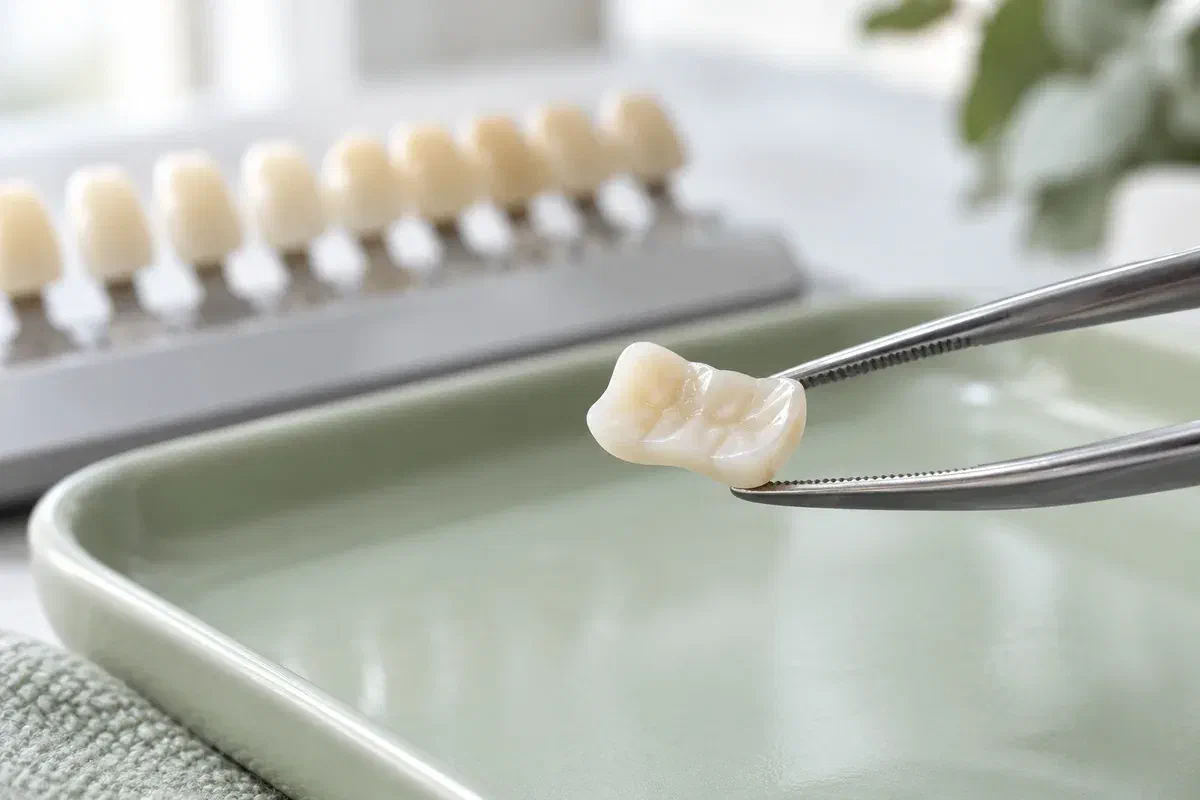
A tooth with a modest cavity but thin walls may need more than one with a larger cavity and sturdy ones. That is why the dentist examines the surrounding structure before suggesting an inlay or anything else.
Wear, chipping or leakage may mean the existing repair needs replacing. The new design depends on what remains after the old filling comes out, not simply on how large the previous one was.
A damaged chewing surface can change contours and contacts. Ask which areas are healthy and whether the replacement would stay within them or would need to reach over a weaker cusp.
Ask the dentist to compare the options in terms of visits, preparation and upkeep, using an image or model of your tooth. Seeing it laid out usually makes the decision easier.
Pain, a suspected crack or a possible nerve problem needs a proper diagnosis before any restoration is chosen. The design of the repair does not replace that assessment.
Because it is shaped outside the mouth for the prepared area and tried in before bonding, an inlay can rebuild a suitable defect and leave surrounding healthy tooth uncovered.
That benefit comes with requirements. The tooth is prepared, and the material, fit, remaining structure and bite forces all affect the recommendation. Ask what an inlay would accomplish here that a direct filling would not, and why a broader restoration is unnecessary.
Patient information: Cleveland Clinic — restorative dentistry and inlays
The design can rebuild the lost surface, how it meets the teeth next to it and how it fits into your bite. Ask which features are most important for this tooth.
Sound cusps may be left as they are instead of being reduced. That only makes sense while the tooth still has enough strength for normal use.
Where the tooth sits, how much it shows, the space available and clinical factors all play a part. Ask which materials suit it, and how they compare on benefits, limitations and cost.
Many inlays involve two visits, but the real count comes down to the fabrication method and the tooth. Ask whether a temporary is expected and how long it may be in, so you can plan trips and work around it.
The dentist checks the damaged area, your symptoms, earlier work and the surrounding gums. Tests or images may help confirm that an inlay suits the tooth or show another issue that should come first.
With your agreement and comfort measures in place, the tooth is shaped for the chosen design. A scan or impression records it, and a temporary may be placed while the inlay is made.
The inlay is seated and checked for fit, contacts and bite. Appearance can be reviewed where relevant. Any refinements are made before the restoration is fixed in place.
An appropriate cement or bonding system is used for the material. The tooth is checked once more, and you are told what to eat, how to clean and which signs mean you should phone.
An inlay replaces what was lost, but the enamel around it can still decay. Follow the advice from your fitting, and if cleaning around the tooth feels different, mention it.
Eating guidance may depend on the material and how long you stay numb. Ask when you can chew normally, and take care with your tongue and cheek on the drive home.
Fluoride toothpaste and daily cleaning between the teeth protect the natural edges. If one contact keeps catching food or floss, have it looked at during a planned visit or sooner.
A high feeling when you bite, lasting sensitivity or a rough surface should be reviewed. Do not attempt to adjust the inlay, and avoid repeatedly testing it on hard food.
Weighing an inlay is easier once you know what it rebuilds and what it asks of your schedule. These questions may help when you talk the plan over.
Book a consultation at our Bronte Street practice for a damaged back tooth or a worn filling. We will look at how much sound tooth remains and explain whether an inlay, a filling or more coverage makes sense, including how many visits each would take.
Mention any pain, swelling, a fresh chip or a change in your bite when you call, and tell us if you would like appointments grouped for other members of your household.
