An older filling is breaking down
Chips, leaks or wear at a filling’s edge can mean it is due for replacement. The new design is chosen once the dentist sees what is left beneath the old material, not merely because the first filling was large.


An inlay normally involves a preparation stage and a fitting, so a longer trip deserves a clear plan. From Etobicoke, we help you organise the visits, explain the temporary phase and confirm the design suits your tooth.
Travelling in from Etobicoke, at Toronto’s western edge, changes how you think about treatment. You want to know, before the first appointment, what each visit is for and how the stages connect. An inlay is a restoration produced outside the mouth to the shape of a prepared cavity, then tried in and bonded. It sits within the cusps of a back tooth and leaves them intact when they are strong.
First, though, the tooth has to be right for it. Dentists usually consider an inlay when a direct filling is not ideal for the defect, yet a crown would cover more than the tooth requires. That judgement is about this one tooth, not a general ranking of restorations.
So the opening visit is a careful look and an honest conversation. Tell us your symptoms, the tooth’s past repairs and how often you can realistically make the trip. We will explain why a fitted restoration is or is not suitable, and how treatment could be grouped so the visits are well used.
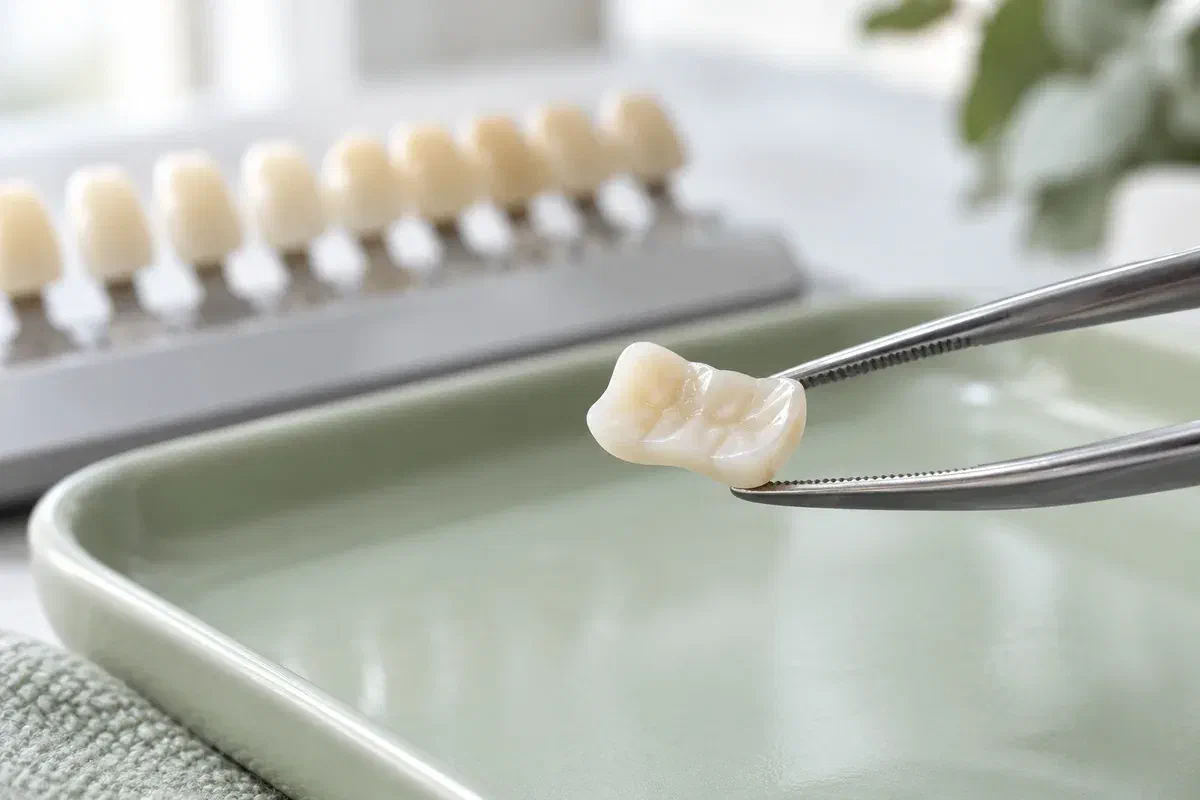
The dentist looks past the size of the hole to the walls and cusps framing it. If they are sturdy, an inlay may work. If they are thin or cracked, a design that wraps more of the tooth may be safer.
Chips, leaks or wear at a filling’s edge can mean it is due for replacement. The new design is chosen once the dentist sees what is left beneath the old material, not merely because the first filling was large.
A damaged back tooth may meet its opposite number unevenly or let food slip into the gap. Ask which parts are healthy and whether the restoration can stay inside them or must extend over a weakened cusp.
When each trip counts, it helps to leave the first visit understanding the options. Ask to see the tooth on an image or model, and have the reasoning for the chosen design spelled out.
A tooth that hurts, may be cracked or shows nerve symptoms needs a diagnosis before any restoration is designed. If severe pain or swelling develops between visits, seek urgent care closer to home and let us know.
Made for a single prepared tooth and confirmed in the mouth before bonding, an inlay can rebuild a suitable defect while sparing the healthy structure that surrounds it.
Limits still apply. Preparation is needed, and the material, fit, strength of the remaining tooth and the load your bite places on it all influence the plan. Ask what an inlay achieves that a direct filling would not here, and why nothing larger is required.
Patient information: Cleveland Clinic — restorative dentistry and inlays
The restoration can recreate the lost surface, its contacts with neighbouring teeth and how it meets the opposing tooth. Ask which design features are most important for a good result in your mouth.
If the cusps are sound, there may be no need to reduce and cover them. That restraint only makes sense while the tooth keeps enough support to function well.
The tooth’s position, visibility, space and clinical findings affect the material. Ask what is suitable, how each choice compares on strengths, drawbacks and cost, and whether it changes the number of visits.
The number of visits depends on how the inlay is fabricated and what else the tooth needs. Ask at the start whether a temporary will be used and how long it may need to last, so you can plan your travel.
The dentist reviews the damaged area, your symptoms, previous restorations and surrounding gums. Imaging or tests may confirm that an inlay is suitable or reveal another issue that should be treated first.
With your consent and suitable comfort measures, the tooth is shaped for the chosen design. A scan or impression records it, and a temporary may be placed. Sometimes this can follow on from the assessment if the plan is clear.
When the inlay is ready, its fit, contacts and bite are checked, and its appearance is reviewed where it matters. Changes are made before anything is permanent, so this stage should not be rushed.
The inlay is fixed with a method suited to its material. A final check follows, and you leave knowing how to eat, clean, and which symptoms warrant a call or a local urgent visit.
A fitted inlay replaces lost tooth, but the natural tooth around it still needs prevention. Follow your fitting instructions closely, and call us if anything about cleaning or chewing feels different.
Advice may vary with the material and how long the freezing lasts. Ask when you can eat normally, and avoid biting your lip or tongue on the way home while you are still numb.
Fluoride toothpaste and daily cleaning between teeth help protect the natural edge of the tooth. If floss catches or food packs in at that spot, tell us at your next visit or call sooner.
Sensitivity that lingers, a tall feeling when you close or a rough margin all need reviewing. Phone first so we can advise, and do not try to adjust it yourself or test it repeatedly on hard food.
Knowing what each design replaces and what it leaves alone makes the decision clearer. These are questions worth raising when you are planning visits from further away.
Book a consultation at our Bronte Street practice for a damaged back tooth or a failing filling. We will judge how much sound tooth remains, explain whether an inlay, a filling or more coverage fits, and help you plan the visits.
Mention any pain, a recent break or a change in your bite when you call, and let us know how far you are travelling so appointments can be arranged sensibly.
