An old filling with a suspicious margin
Staining, a ledge or a gap at the edge of a filling can be a sign it is failing. The replacement is chosen after the dentist sees the tooth underneath, rather than simply matching the size of what was there.


A brief zing when you bite on one molar can mean many things, and the repair depends on which. From Georgetown, start with a proper diagnosis; an inlay is considered only if the tooth turns out to suit one.
People sometimes arrive asking for an inlay after reading about one, when what they really have is a sore tooth they cannot explain. That order matters. The first job is to understand why the tooth is uncomfortable. Only then does it make sense to talk about the shape of a restoration.
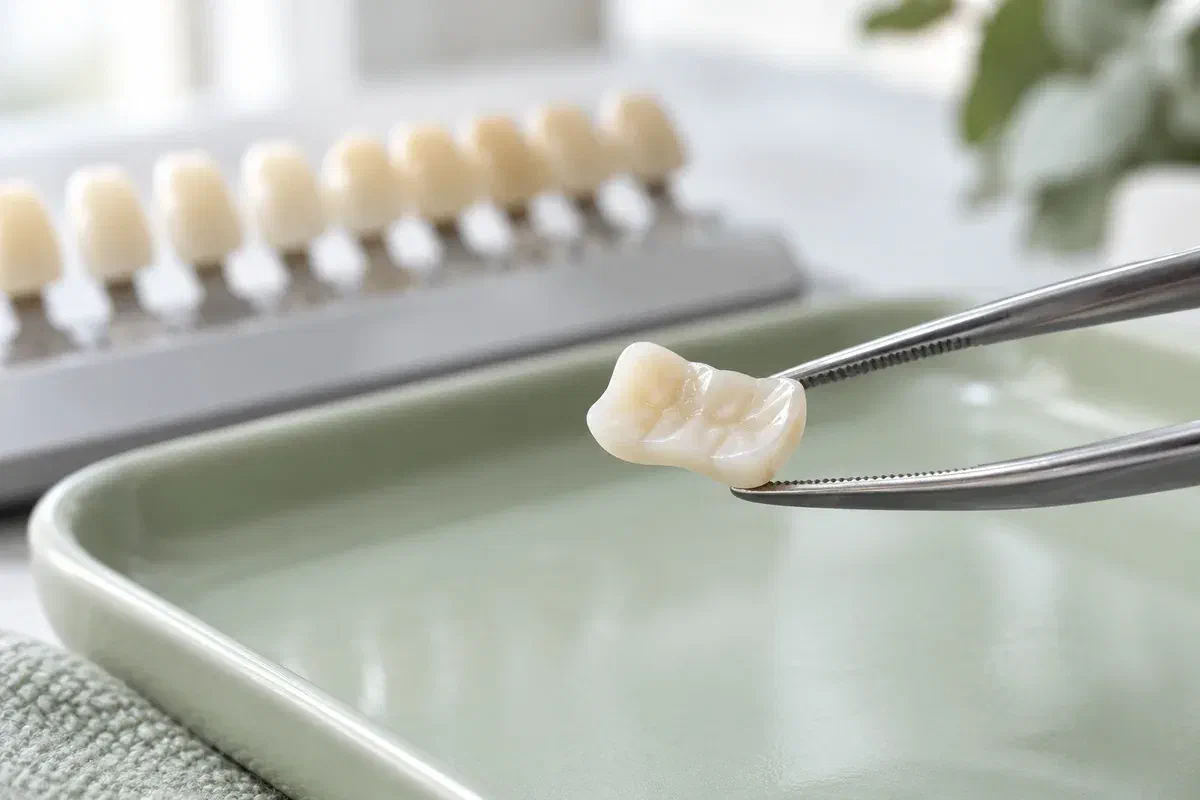
If an inlay does turn out to fit, here is what it is: a restoration produced outside the mouth to match a prepared space, then bonded into place. It generally sits within the cusps of a back tooth rather than over them. It comes up when a filling placed directly is not the preferred choice but the tooth is healthy enough that a crown would be excessive.
Coming from Georgetown, describe the symptom as precisely as you can: which tooth, what triggers it, how long it lasts. Mention past repairs and what you hope for from treatment. After the examination, we can tell you what we found and whether a fitted restoration belongs in the plan.
Even when the problem area is modest, the walls surrounding it may be weakened. The examination aims to establish how sound those walls and cusps are, which tells the dentist whether an inlay could be supported.
Staining, a ledge or a gap at the edge of a filling can be a sign it is failing. The replacement is chosen after the dentist sees the tooth underneath, rather than simply matching the size of what was there.
A change in contour or a damaged section can alter how the teeth meet. Ask which parts are intact and whether a restoration would stay inside them or need to protect a weakened cusp.
It is reasonable to want the diagnosis explained before any design is discussed. Ask what the tests or images showed and how they lead to the restoration being recommended.
A tooth that is painful, may be cracked or could have a nerve problem needs a diagnosis in its own right. Deciding between an inlay and another design never replaces that assessment.
Once the diagnosis is clear and the tooth is suitable, an inlay can rebuild the damaged section. It is formed for the prepared space and checked before bonding, so healthy structure around it can remain uncovered.
It is not a fix for everything. Preparation is required, and the material, the fit, how much tooth remains and the forces of your bite all influence the advice. Ask what an inlay does better than a direct filling in your tooth, and why a design with more coverage is not needed.
Patient information: Cleveland Clinic — restorative dentistry and inlays
The design can restore the lost surface, its contacts with adjacent teeth and its place in the bite. Ask which details the dentist will focus on to achieve a suitable fit.
Where the cusps are strong, they do not necessarily need to be covered. That is worth doing only while the tooth retains the support it needs.
Position, visibility, space and the clinical findings all shape material choice. Ask which materials suit this tooth and how they compare in benefits, limitations and cost.
Appointments vary depending on how the inlay is produced and whether anything else needs treating first. Ask what to expect at each stage and whether a temporary restoration will be part of it.
The dentist examines the tooth, reviews your symptoms and earlier work, and may use bite tests, sensitivity tests or imaging. This helps establish whether an inlay is suitable or whether another issue must be dealt with first.
After you consent and comfort measures are in place, damaged material is removed and the space is shaped. The tooth is recorded by scan or impression, and you will be told about any temporary protection.
The inlay is checked for fit, contacts and the way your bite closes on it. Appearance is considered where relevant. Adjustments are made before bonding.
A bonding or cementing method suited to the material is used, and the tooth is checked once more. You receive guidance on eating, cleaning and which symptoms should prompt a call.
The inlay restores lost structure, but the tooth around it still needs good preventive habits. Follow your instructions from the fitting, and let us know if the original symptom has not settled.
The advice may depend on the material and on how long you stay numb. Check when it is fine to chew normally, and avoid hot drinks or firm foods until feeling returns so you do not injure your cheek.
Fluoride toothpaste and daily cleaning between the teeth help protect the natural enamel at the margins. If floss catches or food traps at the contact, mention it so the area can be checked.
Persistent sensitivity, a tooth that feels high or a rough edge should be reviewed, as should any return of the original twinge. Do not adjust the inlay yourself or test it on hard food.
A restoration is easier to judge once the diagnosis is clear and you know what the repair would replace. These questions may help during your consultation.
Book an examination at our Bronte Street practice for a sensitive molar, a failing filling or a damaged back tooth. Once we understand the cause, we can tell you whether an inlay, a filling or a restoration with more coverage suits the tooth.
Describe your symptoms when you call, including any pain on biting, a recent break or swelling, so the appointment can be arranged with the right amount of time.
