A large filling needs replacing
Once the old material and any decay are removed, the dentist can measure what really remains. A big previous repair raises the possibility of an inlay without deciding it.


Keeping as much of your own tooth as possible is a common wish. For households in Halton Hills, we explain when an inlay can rebuild a molar while sparing its healthy cusps, and when the tooth needs more than that.
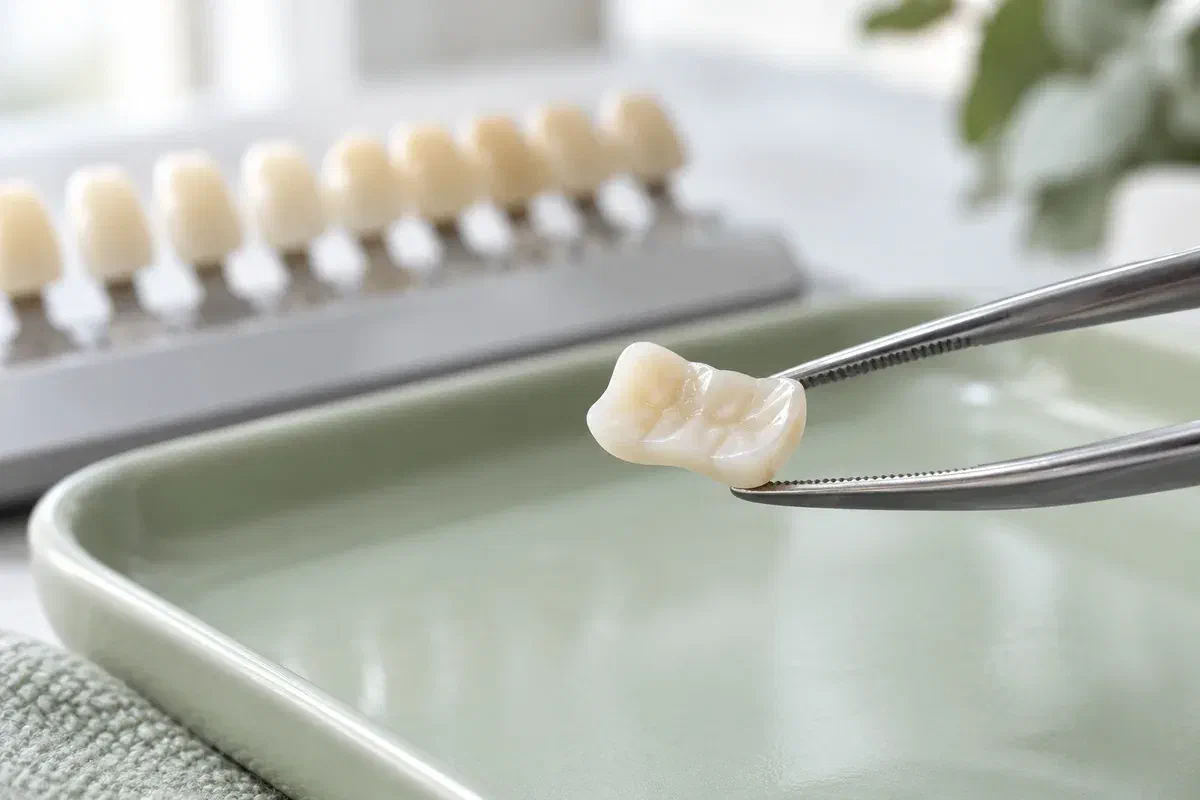
“How much of my tooth will you have to take away?” It is one of the most natural questions in restorative care. An inlay is one answer for certain teeth. It is a restoration made to measure outside the mouth for a prepared space in the chewing surface, then fitted and bonded. It typically stays inside the cusps, so those outer walls can remain when they are healthy.
That does not make it the default. An inlay is weighed when building a filling directly in the tooth is not the preferred method, but crowning the tooth would cover more than it needs. The decision follows from the condition and shape of the individual tooth.
Across Halton Hills, from Georgetown and Acton to Glen Williams and the smaller hamlets, many people book care for several family members at once. Mention that when you call. At the consultation, describe what you have felt, the tooth’s past repairs and your priorities. We will explain why a fitted restoration is or is not suitable, and what else could work.
Every inlay decision comes back to the structure framing the damage. Thick, sound cusps suit a restoration that sits inside them. Thin or fractured ones usually need a design that reaches over and protects them.
Once the old material and any decay are removed, the dentist can measure what really remains. A big previous repair raises the possibility of an inlay without deciding it.
A defect can alter contours, contacts and the way the teeth come together. Ask which sections are healthy and whether the restoration will stay within them or must extend across a weakened cusp.
Inlay, onlay, filling, crown: each rebuilds a different amount of tooth. Ask to see your own tooth on an image or model so the recommendation makes sense to you.
Pain, a suspected crack or a possible nerve problem must be diagnosed first. The restoration’s shape is decided after that, and choosing it is not a substitute for the assessment.
An inlay is shaped for one tooth and checked in place before it is bonded. In a suitable case, it rebuilds the damaged section and leaves the surrounding tooth uncovered where it does not need protecting.
It still has costs and limits. The tooth is prepared, and the material, the fit, the remaining structure and the forces from your bite all shape what is advised. Ask what an inlay gives you over a direct filling, and why a wider restoration has not been suggested.
Patient information: Cleveland Clinic — restorative dentistry and inlays
The design can restore the missing surface, its contacts with the neighbouring teeth and how it meets the opposing tooth. Your dentist can explain which details matter for this particular fit.
Where the cusps are healthy, there may be no need to reduce and cover them. That is valuable only as long as the tooth keeps the support it needs for everyday chewing.
Where the tooth is, how much it shows, the space available and the clinical picture all influence the material. Ask which are suitable and how they compare in benefits, drawbacks and cost.
The appointment count varies with the production method and with the tooth itself. Ask whether you will have a temporary in between and what care it needs, especially if you are coordinating visits for others too.
The dentist reviews the damaged area, your symptoms, existing restorations and the gums. Tests or images may show whether an inlay is appropriate or whether another condition needs treatment first.
With your consent and comfort measures in place, the tooth is prepared for the chosen design, removing what is needed and no more. A scan or impression records its shape, and any temporary is explained.
Before bonding, the dentist checks how the inlay seats, its contacts with the neighbouring teeth and how your bite meets it. Appearance can be reviewed too. Adjustments are made now, while changes are simple.
The inlay is secured with a method that suits its material. The finished tooth is checked, and you are told how to eat and clean, and which symptoms mean you should get in touch.
The restoration replaces lost structure but cannot stop decay in the enamel next to it. Follow your fitting-day instructions and mention anything that feels different when you brush or floss.
Eating advice may vary with the material and with numbness. Ask when you can chew normally, and be careful not to bite your cheek or tongue before the freezing has worn off.
Brush twice a day with a fluoride toothpaste and clean between the teeth using the method you have been shown. If food catches or floss frays in the same place, ask for it to be checked.
Report a tooth that feels high, ongoing sensitivity or a rough edge. Please do not try to adjust the inlay yourself or bite on hard foods to see whether the feeling settles.
Most questions come down to what the restoration will replace and what it will leave alone. These may help you think through the plan for your tooth before you decide.
Visit our Bronte Street practice with a damaged back tooth or a large filling that needs attention. We will look at what can be kept and tell you which repair makes sense, from a simple filling through to a restoration that covers more.
Let us know about pain, a recent break or a change in your bite when booking, and tell us if you would like to arrange visits for other family members at the same time.
