A filling has failed
A cracked or worn restoration may need replacing. The choice of what comes next depends on what is left once the old material and any decay are removed, rather than on how large the original filling happened to be.


A fitted repair usually means more than one chair visit, so it helps to know the plan before you book time off. For people in Mississauga, we explain each inlay stage and whether this design truly suits the tooth.
A common first question is practical: how many appointments? With an inlay, the answer depends on how it is made. The restoration is produced outside the mouth to fit a prepared space, then tried in and secured. It normally sits within the cusps of a molar or premolar, keeping those raised edges where they are healthy.
Before scheduling, though, comes suitability. An inlay is usually raised when placing a filling directly would not be the preferred approach, yet the tooth is sound enough that a crown would be more coverage than it needs. Neither option wins by default; the remaining tooth guides the plan.
From western Mississauga neighbourhoods such as Meadowvale or Churchill Meadows, many people fit dental care around shifts and commutes. Let us know your constraints along with your symptoms, earlier repairs and goals for the tooth. We will explain why a fitted restoration is on the table and what the alternatives would ask of your calendar.
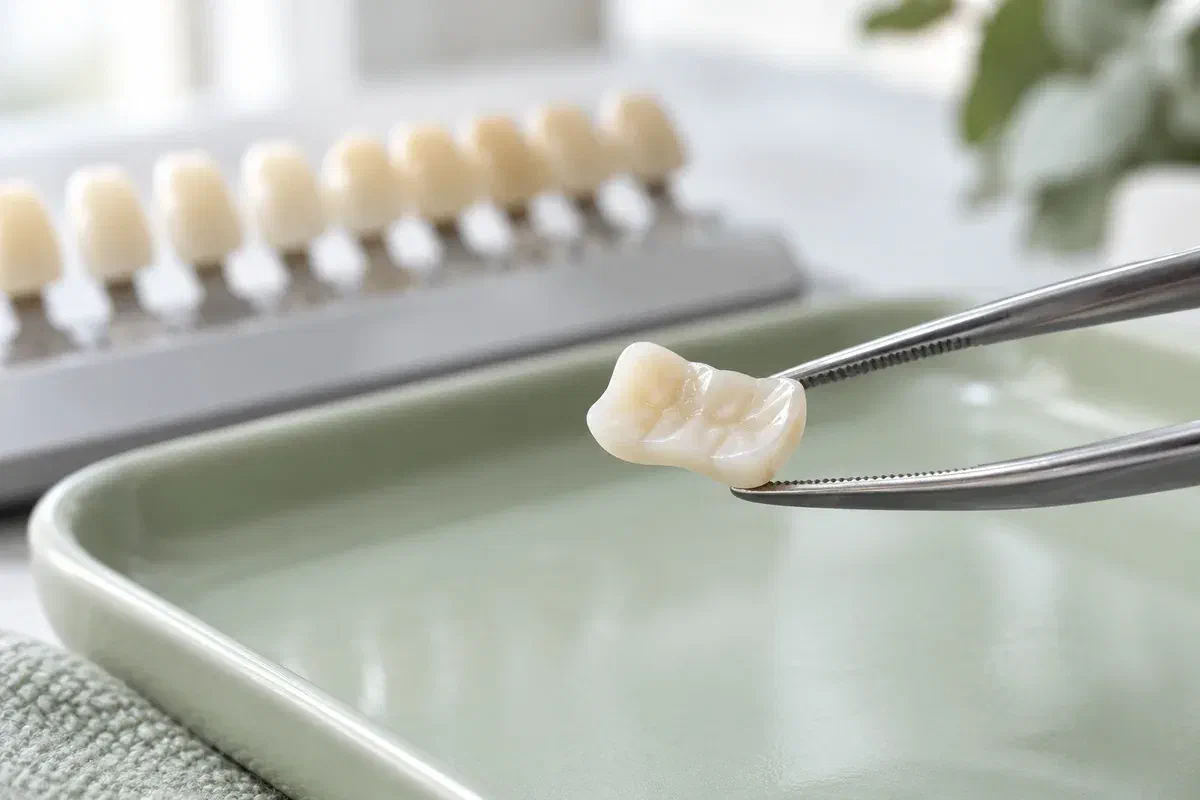
The dentist considers the damaged area together with the strength and shape of the tooth around it. That combination, more than the size of the problem alone, shows whether an inlay fits or a more supportive design is wiser.
A cracked or worn restoration may need replacing. The choice of what comes next depends on what is left once the old material and any decay are removed, rather than on how large the original filling happened to be.
Damage inside a back tooth can change its contours and how it meets the teeth around it. Ask which areas are sound and whether the new restoration would sit within them or have to stretch over a weak cusp.
Fillings, inlays, onlays and crowns differ in how much tooth they rebuild. Seeing the actual area on an image or model generally makes it clear why one has been suggested for this tooth.
If the tooth hurts, could be cracked or may have a nerve problem, that has to be diagnosed first. Choosing the outline of a restoration is a later decision and cannot replace the assessment.
Producing the inlay outside the mouth allows it to be shaped for the prepared space and checked before it is bonded. In a suitable tooth, it can restore the damaged area and leave healthy surrounding structure uncovered.
That does not make it limitless. Preparation is required, and the material, the fit, the strength of the leftover tooth and the forces of your bite all shape the advice. Ask what an inlay offers you over a direct filling, and why a wider restoration is not needed.
Patient information: Cleveland Clinic — restorative dentistry and inlays
The restoration can recreate the missing surface, its contact with neighbouring teeth and its role in your bite. Ask the dentist which features of the design matter most for this tooth.
Where the surrounding enamel is suitable to retain, an inlay may avoid covering it. That conservative approach still needs to provide enough support for normal chewing.
The tooth’s position, visibility, available space and clinical details all affect which material is used. Ask which options are appropriate and how they differ in benefits, limitations and cost.
The number of appointments varies with the fabrication method and the needs of the tooth. Ask whether you should expect a temporary, roughly how long it may stay, and what to avoid until the final piece is placed.
The dentist examines the damaged area, any symptoms, existing restorations and the tissues nearby. Testing or imaging may be used to confirm an inlay is suitable and that no other condition should be treated first.
After you consent and appropriate comfort measures are used, the tooth is prepared for the chosen design. A scan or impression records its form, and you are told about any temporary cover while the inlay is produced.
The inlay is seated and checked for fit, contacts and how your teeth meet. Its appearance can be reviewed where that matters. Any changes are made at this stage, before it is fixed.
Once the fit is right, the inlay is secured using an approach suited to its material and the tooth. Everything is rechecked, and you receive guidance on eating, cleaning and symptoms that should bring you back.
The inlay replaces lost structure, but the natural tooth around it remains vulnerable to decay. Follow your fitting instructions, and tell us if brushing or flossing near the area feels unfamiliar.
What you can eat right away may depend on the material and on numbness. Ask when regular chewing is fine, and take care not to bite your tongue or cheek before sensation returns.
Brush with fluoride toothpaste and clean between your teeth as recommended. Mention a spot that traps food or catches floss so it can be checked instead of becoming a daily nuisance.
A tooth that feels high, stays sensitive or has a rough margin needs a review. Avoid trying to adjust it yourself or biting hard foods repeatedly to see if it settles.
It is simpler to judge a fitted restoration once you can see what it rebuilds and what it leaves alone. These questions may help you plan the conversation about your tooth.
Visit our Bronte Street practice to have a damaged back tooth or failing filling examined. We will judge what the surrounding tooth can support and explain, with the number of visits in mind, whether an inlay, a filling or more coverage is appropriate.
If there is pain, a recent fracture or a change in how your bite feels, mention it when you call so the appointment can be planned properly.
