A filling has been replaced before
When a restoration fails a second or third time, the dentist looks at what will remain once the old material is removed. A large previous filling is a reason to assess, not an automatic reason to choose an inlay.


A molar that has been patched more than once deserves a plan, not another guess. From Old Milton, you can have the tooth examined and hear whether a custom inlay, a fresh filling or more coverage suits what is left.
Many back teeth carry a record of past dentistry: a small filling decades ago, a larger one later, perhaps a chipped corner since. When that tooth needs attention again, the question is how much has to be rebuilt. An inlay is one answer. It is made away from the mouth to the shape of a prepared space, then secured, and it typically sits between the cusps rather than over them.
Whether it suits a particular tooth is a clinical call. An inlay tends to enter the discussion when building a filling directly in the tooth is not ideal, yet the tooth is not weak enough to need a crown. One design is not ranked above another in general; the remaining structure points the way.
In Old Milton, the town’s historic downtown, plenty of people have been seeing dentists for most of their lives and know their own mouths well. Share that history with us, along with any symptoms and what you would like from the repair. We can explain why a fitted restoration is being raised and what the alternatives would mean.
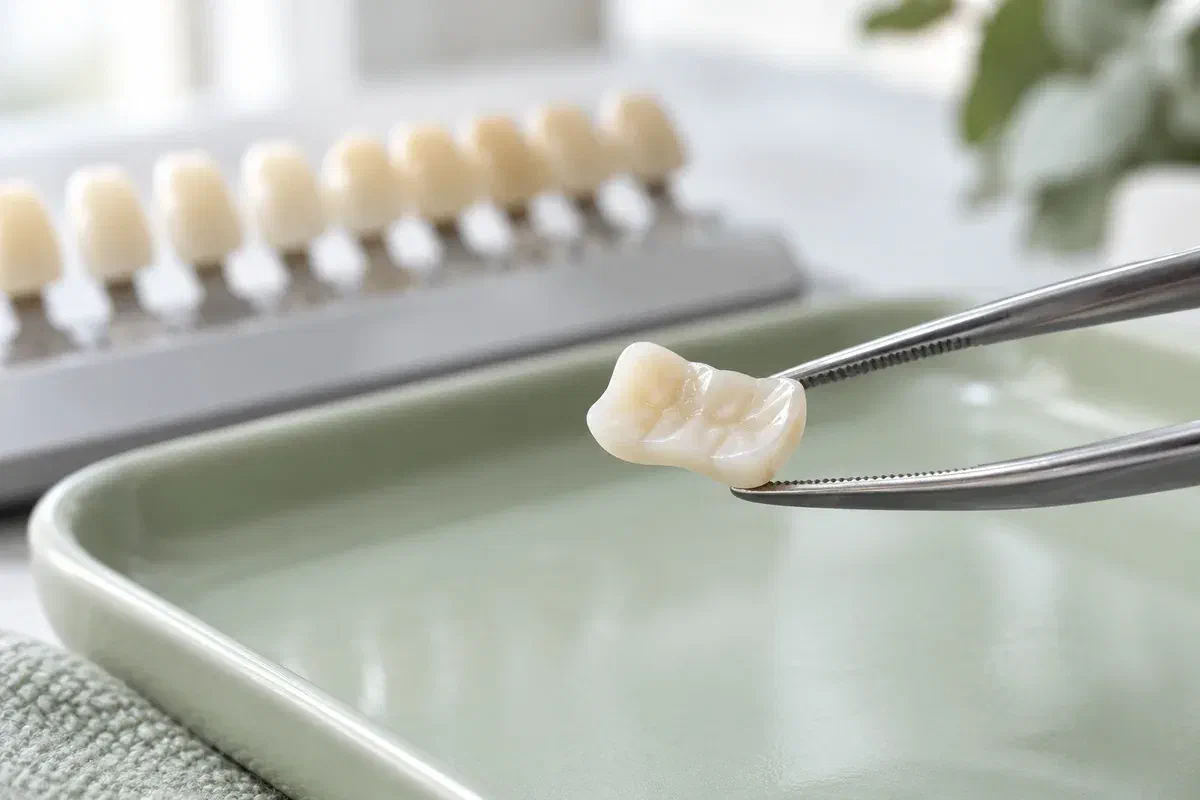
Every replacement filling tends to be a little larger than the last. That is why the walls and cusps around the space matter as much as the hole itself when a dentist considers an inlay.
When a restoration fails a second or third time, the dentist looks at what will remain once the old material is removed. A large previous filling is a reason to assess, not an automatic reason to choose an inlay.
Damage inside a molar can alter its contours and how it meets the opposing tooth. It is worth asking which sections are still sound and whether the new restoration would stay within them or need to cover a weakened cusp.
If you have had several kinds of repairs over the years, the terms can run together. A sketch, model or image of the actual tooth often shows more clearly why one design is being suggested over another.
If the tooth aches, may be cracked, or shows signs of nerve involvement, that needs a diagnosis in its own right. The shape of the final repair is decided after that assessment, not instead of it.
Made to fit the prepared tooth and checked before it is fixed, an inlay can rebuild a damaged section in a suitable case while leaving neighbouring structure that does not need to be covered.
There are still limits. The tooth is prepared, and the outcome depends on the material, the fit, how strong the remaining tooth is and the pressure placed on it. Ask what an inlay would add over a direct filling for this tooth, and why the plan does not call for a wider restoration.
Patient information: Cleveland Clinic — restorative dentistry and inlays
The design can restore the missing area together with its contacts and its role in your bite. The dentist should be able to point out which features are important for the restoration to sit well.
If the surrounding tooth is in good enough condition to retain, an inlay may spare those areas from coverage. That aim is always balanced against how much support the tooth needs to keep chewing comfortably.
Material choice depends on how visible the tooth is, the space available and the clinical picture. Ask which materials would be suitable here and how their strengths, drawbacks and costs compare.
How many appointments you need depends on how the inlay is made and on the tooth itself. Ask at the outset whether a temporary will be placed and how the tooth should be treated between visits.
Your dentist reviews the damaged area, your symptoms, the earlier restorations and the gums around the tooth. Testing or imaging may help show whether an inlay is appropriate or whether something else should be treated first.
Once you agree to proceed and comfort measures are in place, the dentist refines the space to suit the agreed design. Its form is captured by impression or scan, and any temporary protection is explained before you leave.
Before anything is permanent, the inlay is checked for how it seats, how it meets neighbouring teeth and how the bite comes together. Appearance can be discussed too, and changes are made at this stage.
The restoration is fixed with an approach suited to its material and to the tooth. The finished surface is checked, and you are told how to eat, clean and recognise symptoms that should prompt a call.
The inlay itself does not decay, but the tooth around it can. Follow the guidance from your fitting appointment, and let us know if flossing or brushing near the area feels different from before.
What you are advised can depend on the material and whether the area is still numb. Ask when it is fine to eat normally, and be careful not to bite your lip or cheek before feeling returns.
Brush with fluoride toothpaste and clean between your teeth as recommended. If food keeps catching or floss frays at one spot, tell us so the contact can be examined instead of becoming something you put up with.
Lasting sensitivity, a bite that feels tall or a sharp edge needs a review. Please do not try to smooth the inlay yourself or keep biting on hard foods to see whether the feeling fades.
Long experience with dentistry does not mean every term is familiar. These are questions people with well-worked teeth tend to raise, and they make a good starting point for your own visit.
Visit our Bronte Street practice from Old Milton with a tooth that has been repaired before or one that has newly chipped, and we will judge what the rest of the tooth can support, then say whether an inlay, a filling or a larger restoration fits.
If there is pain, a fresh break or a change in how your teeth come together, mention it when you call so we can plan the visit around it.
