A long-standing filling is failing
Cracks, wear or staining at a filling’s edge can signal that it needs replacing. The next restoration is planned once the dentist sees what is left underneath, rather than being chosen for the old filling’s size.


A restoration is a long-term commitment, so it is fair to ask how an inlay is looked after for years to come. Coming from Puslinch, you can learn when one suits a back tooth and what ongoing care it involves.
Some people ask about the fitting appointment. Others want to know what life looks like with an inlay five or ten years on. Both are reasonable. An inlay is a made-to-measure restoration produced outside the mouth for a prepared area in the chewing surface of a molar or premolar. It is bonded in place and usually leaves the cusps around it intact.
Suitability comes before longevity. A dentist suggests this design when direct filling material is not the preferred way to rebuild the defect, but full coverage with a crown would go further than the tooth needs. It is a decision about fit for one tooth, not a ranking of restorations. Getting that match right at the outset also shapes how the tooth will be looked after in the years that follow.
In a rural township like Puslinch, it makes sense to plan checkups and treatment together. Tell us about the tooth, its past repairs, your symptoms and your hopes for maintenance. We can describe whether a fitted restoration suits it and what keeping it healthy over time would involve.
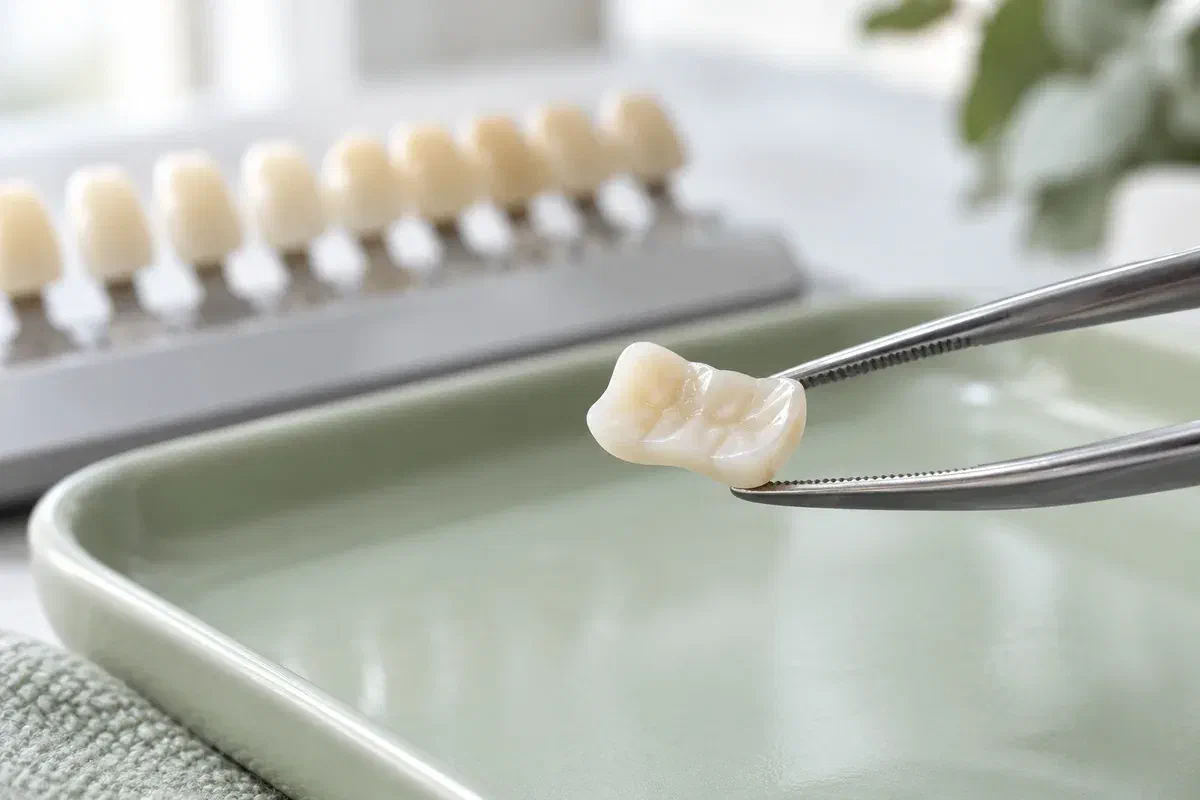
The dentist considers the damaged area alongside the thickness and health of the walls framing it. Strong walls can hold an inlay; weaker ones may call for a restoration that protects more of the tooth.
Cracks, wear or staining at a filling’s edge can signal that it needs replacing. The next restoration is planned once the dentist sees what is left underneath, rather than being chosen for the old filling’s size.
Damage in a back tooth can change how it chews and how it meets its neighbours. Ask which sections are sound and whether the restoration would remain inside them or reach over a weakened cusp.
Ask how each option might need to be maintained, monitored or eventually replaced. Seeing your tooth on an image or model makes that conversation easier to follow.
A painful tooth, a possible crack or a nerve concern needs an accurate diagnosis first. Choosing between restorations is a later step and is not a substitute for it.
An inlay is made for the specific prepared area and confirmed in the mouth before it is bonded. In a suitable tooth, it can restore the damaged surface while sparing healthy structure that does not require coverage.
No restoration is permanent or problem-free. Preparation is involved, and the material, fit, remaining tooth and bite forces all influence what is advised and how it performs. Ask what an inlay offers over a direct filling for this tooth, and why something broader is not needed.
Patient information: Cleveland Clinic — restorative dentistry and inlays
The design can restore the missing surface along with its contacts and its place in the bite. Your dentist can explain which features matter for a suitable fit.
Healthy cusps may be left uncovered rather than reduced. That is a benefit only while the tooth keeps enough strength to function well over time.
Position, visibility, space and clinical findings all influence the material. Ask about suitable options, how they compare in benefits, limitations and cost, and whether any needs particular care.
Appointment numbers vary with the fabrication method and the tooth’s needs. Ask whether a temporary will be used, how long it is likely to stay and how to treat the tooth in between.
The dentist reviews the damaged area, any symptoms, existing restorations and the gums. Imaging or tests may confirm whether an inlay is appropriate or reveal another condition that should be treated first.
After consent and comfort measures, decay and damaged material are removed and the space is refined for the planned design. A scan or impression records it, and any temporary covering is explained.
The inlay is placed and assessed for how it seats, how it meets adjacent teeth and how your bite closes on it. Appearance can be reviewed. Changes are made before it is fixed.
A method suited to the material and tooth is used to secure the inlay. After a final check, you are given instructions for eating and cleaning, and a recall interval is suggested.
The inlay itself does not decay, but the enamel bordering it can. Follow the instructions given at your fitting, and keep the tooth on your regular checkup schedule.
What is recommended right after fitting may depend on the material and on numbness. Ask when normal chewing can resume, and guard against biting soft tissue before feeling returns.
Twice-daily brushing with fluoride toothpaste and cleaning between the teeth protect the natural tooth where it meets the restoration. If a contact catches food or floss, have it reviewed.
A rough edge, ongoing sensitivity or a tooth that suddenly feels high should be examined. Avoid trying to adjust it yourself or chewing hard objects such as ice on that tooth.
Thinking ahead is part of choosing a restoration. These questions focus on what an inlay involves after it is fitted, as well as how it compares with other options.
Come to our Bronte Street practice with a damaged back tooth or a filling that needs replacing. We will examine what remains, recommend the design that suits it best, and outline the upkeep each alternative would need over time.
If you have pain, swelling, a freshly broken edge or teeth that no longer meet as they used to, mention it when you call so the right appointment can be arranged.
