A cusp is broken or undermined
Damage at a raised point of the biting surface may leave it prone to breaking further if only the neighbouring space is filled. The dentist checks how far the problem reaches and whether covering that point is helpful.


Keeping as much of your own tooth as is sensible is a good instinct. An onlay is one way to protect weakened cusps without covering the whole tooth, when the remaining structure is strong enough to allow it.
Enamel does not grow back. Once a part of the tooth is removed for a restoration, it is gone for good, so it makes sense to ask whether a repair can be planned around the parts that are still strong.
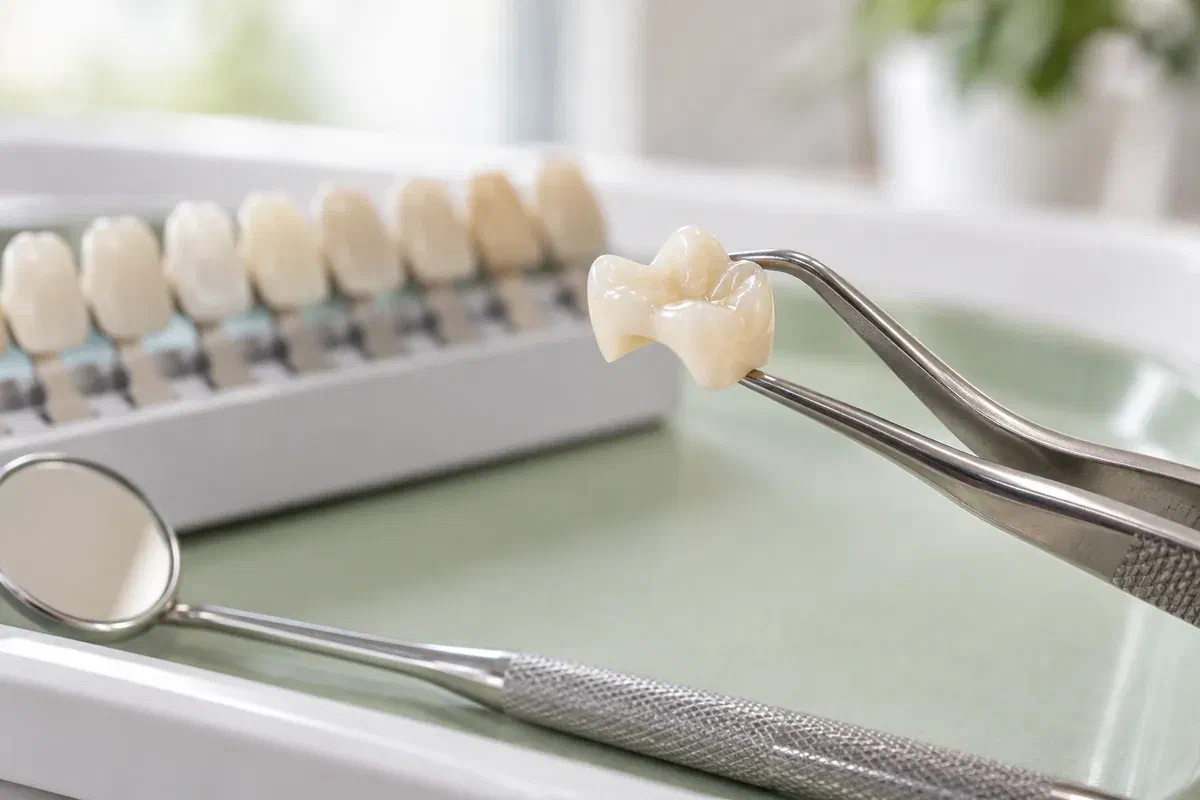
A dental onlay is built on that idea. This fitted restoration replaces damaged structure and wraps over one or more cusps, the raised edges of the chewing surface, while healthy walls elsewhere may be left uncovered. It suits some teeth, though not all: the design must still protect the areas that are weak.
For households in Campbellville and the surrounding Nassagaweya countryside, our Milton team can assess the tooth and explain what can realistically be preserved. We compare partial coverage with fillings, inlays and crowns, and we can help you plan visits so they fit around farm, work or school routines.
The whole tooth is examined before a design is suggested. That examination shows whether a chewing point needs extra support and whether the surrounding structure is solid enough to anchor a partial restoration.
Damage at a raised point of the biting surface may leave it prone to breaking further if only the neighbouring space is filled. The dentist checks how far the problem reaches and whether covering that point is helpful.
A failing large filling hides the true condition of the tooth beneath it. Once removed, the tooth is reassessed, and the findings guide whether an onlay, a new filling or something else follows.
Ask which surfaces could stay as they are. Being conservative only makes sense when the result still gives the tooth the support and chewing function it needs.
Pain, a possible crack or a nerve problem can change the recommendation. Preserving structure never takes priority over finding out what is causing symptoms.
When a tooth suits it, an onlay can replace a missing surface and protect weakened cusps while keeping the healthy parts of the tooth in service. The outline can be planned closely around the damage and the way the tooth bites against others.
Partial coverage still involves some preparation, and it is not always the most protective option. Bonding or retention, material and remaining structure all affect whether it will work. Ask what the onlay is meant to achieve and why it is preferred to a crown in your case.
Patient information: Cleveland Clinic — inlays and onlays
The onlay can stretch over selected cusps instead of only filling a space. You should hear which areas are covered and how they relate to the weakness.
Less removal sounds appealing, but leaving a fragile cusp unsupported would not help the tooth. Ask how your design weighs preservation against protection.
The restoration is checked against neighbouring and opposing teeth. If you have noticed food packing or an awkward bite, raise it so it can be considered.
Fabrication method and the state of the tooth shape the sequence. Ask how many visits to expect, whether they can be booked close together, how a temporary stage works and what might change along the way.
Your dentist examines the damage, earlier repairs, symptoms and bite, using suitable investigations. The proposed coverage, how much tooth it would keep and the alternatives are explained before any preparation.
With suitable comfort measures, only the areas the design calls for are shaped. The tooth’s form is recorded, and you hear about any temporary restoration used in the meantime.
Fit, contact with neighbouring teeth and the relationship with your opposing teeth are checked. Appearance can be discussed, and the dentist makes any adjustment needed.
The onlay is secured using a method suited to the material and tooth. Bite and surface are reviewed, and you receive advice on eating, cleaning and follow-up.
The onlay forms part of your chewing surface, while the natural tooth beside it and the margins between them still rely on daily care. Follow the instructions from your appointment and tell us about concerns that last or appear later.
Check with the team about the first meal on that side. Lingering numbness makes it easy to bite your cheek, and some bonding materials need a little time, so a firm-feeling tooth is not the signal that precautions are over.
The parts left uncovered still need protection from decay. Brush twice daily with a fluoride toothpaste and clean between teeth in the way you were shown, asking for help if the contour gets in the way.
Clenching, grinding or a history of breaking restorations can put the preserved walls under strain. Mention it, along with a high bite, new chipping or lasting discomfort.
A conservative plan is easier to judge when you can see which walls are sound and which are not. These questions can help you understand how much of your tooth a repair would keep, and why that amount was chosen.
Visit our Bronte Street practice to have a damaged chewing surface or failing repair examined. We can explain whether an onlay is suitable and how it compares with other options in coverage, preparation and maintenance.
A fresh break, severe pain or swelling is worth a phone call before you set out. We can talk it over and suggest how soon to come in.
