A raised point of the tooth has broken or thinned
If the damage reaches a cusp, filling the hollow beside it may leave that edge at risk. The dentist measures how far the weakness goes and says whether covering it is likely to help.


Large fillings placed many years ago can eventually leave the tooth around them fragile. If yours is due for replacement, ask whether an onlay could rebuild the weakened cusps while keeping sound structure.
Many adults carry fillings that went in decades ago. Over time the edges can break down, and the thin walls of tooth beside a wide repair may crack. When that day comes, simply swapping in another filling of the same size is not always the strongest answer.
An onlay is one alternative. It is a custom-fitted restoration that replaces missing structure and extends over one or more cusps, the raised points of the chewing surface. Where those cusps need protecting but the rest of the tooth is sound, it may avoid the full coverage of a crown.
For long-time residents and newcomers in Old Milton alike, our Bronte Street practice is close at hand for that conversation. We can explain what the examination shows, compare partial coverage with the other options and answer questions about comfort, appearance and day-to-day care.
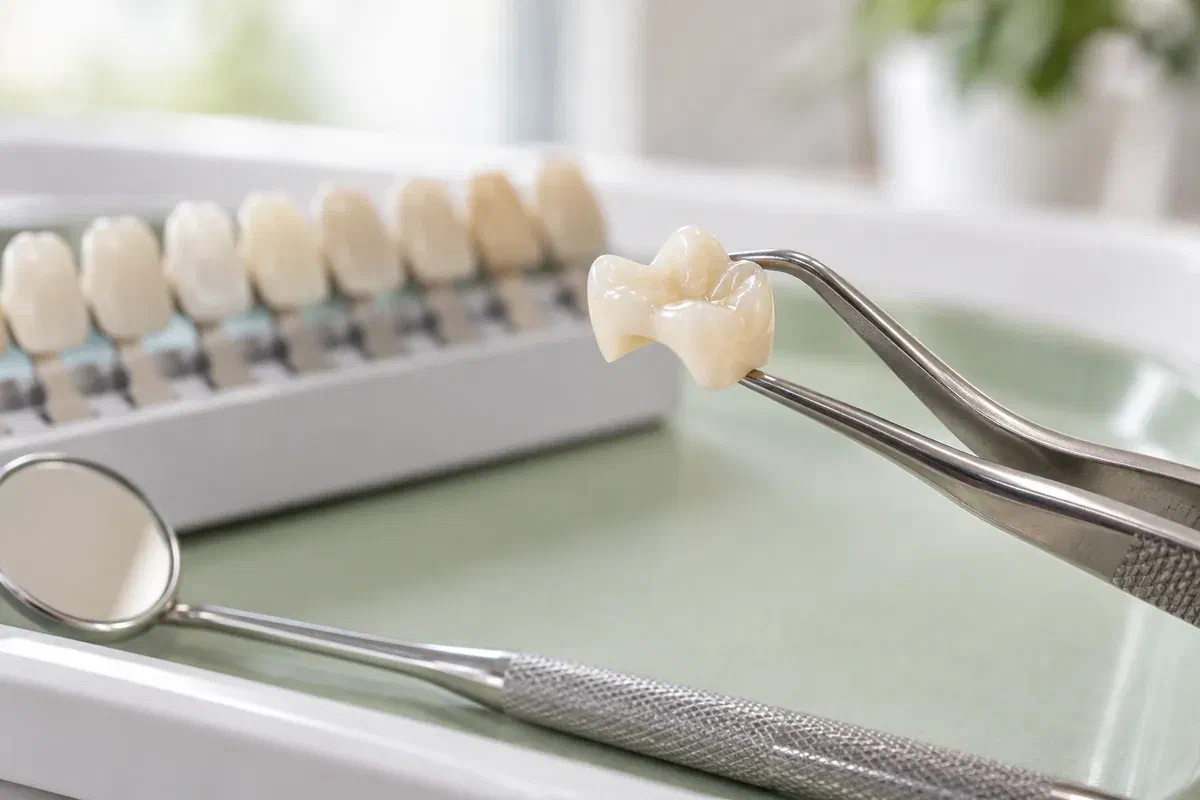
Your dentist weighs the condition of the whole tooth, not just the worn repair. The aim is to find out whether a cusp should be covered and whether the structure left behind can support a partial design.
If the damage reaches a cusp, filling the hollow beside it may leave that edge at risk. The dentist measures how far the weakness goes and says whether covering it is likely to help.
Once an old filling is removed, the tooth underneath has to be judged again. Sometimes an onlay suits it; sometimes another route makes more sense. The choice follows what is found, not a blanket rule for big fillings.
Ask which surfaces can remain uncovered and which really need protecting. A conservative goal is worthwhile only if the final design gives the tooth the support it needs to chew comfortably.
Pain, a suspected crack or a nerve problem can change the recommendation entirely. Choosing an onlay comes after the cause of any symptoms has been properly diagnosed.
In the right tooth, yes. An onlay can rebuild a lost surface and shield fragile areas while other parts are left as they are. Its outline is shaped around the pattern of damage and the way the tooth meets the others when you close.
There are limits. The tooth still needs preparation, and suitability depends on how well the restoration can be bonded or retained, which material is used and how much structure remains. Ask what the onlay is expected to do and why your dentist prefers it to a crown.
Patient information: Cleveland Clinic — inlays and onlays
The restoration can reach over chosen chewing surfaces instead of simply sitting inside the tooth. Your dentist should show which parts are included and how that matches the weakness found.
Holding on to healthy structure is one goal; avoiding an unprotected weak spot is another. Ask how the planned outline balances the two for your tooth.
A made-to-fit restoration is checked against the teeth beside and opposite it. If food has been catching or your bite has felt off near the old filling, say so during planning.
Exactly how care unfolds depends on the method used to make the onlay and on the tooth itself. Ask whether you will need more than one visit, how any temporary phase will work and what could change the design.
The dentist checks the existing filling, any cracks, your symptoms and your bite, using suitable investigations to reach a diagnosis. You hear the proposed coverage and its alternatives before preparation starts.
With appropriate comfort measures, the old material is taken out and the tooth is prepared. Its form is recorded by a suitable method, and the team explains any temporary restoration needed in the meantime.
Fit, contacts with neighbouring teeth and the way it meets the opposite teeth are assessed. You can talk about appearance if that matters to you, and the dentist decides whether anything needs adjusting.
The onlay is secured using an approach suited to its material and the tooth. The surface and bite are checked again, and you receive guidance on eating, cleaning and when to return.
The onlay becomes part of the biting surface, but the natural tooth and the seams where they join still need looking after. Follow the instructions from your visit and mention anything that persists or develops over time.
Ask when you can chew normally and whether numbness or the bonding material affects what to avoid. A tooth that feels solid is not proof it is ready until the team has explained the precautions.
Brush twice a day with fluoride toothpaste and clean between teeth as recommended. If the new contour makes your usual method tricky, ask us to demonstrate a better approach instead of skipping that area.
Tell the dentist if you grind or have chipped earlier restorations, so protection or another measure can be considered. Report a bite that feels high, new chipping or discomfort that does not ease.
Restoration choices are easier to follow when your dentist explains the plan for your own tooth. These questions can help you join that discussion with confidence.
Our Bronte Street practice is a short way from Old Milton, Milton’s historic downtown. We can check a worn repair or damaged chewing surface, explain whether an onlay suits it and compare coverage, preparation and upkeep with the alternatives.
Please phone about a recent break, severe pain or swelling so we can discuss it and find a suitable time.
