A cracked or weakened cusp
Pain on release after biting is one pattern sometimes linked to a cracked cusp. If the crack is confined to that area, covering it may help. Your dentist tests the tooth to see where the problem lies.


A molar that twinges when you bite needs a diagnosis before anyone talks about restorations. Learn how an onlay fits into that picture, when it may help and when the cause points to different care.
You bite into bread and feel a brief, sharp zing from a back tooth. Then nothing for days, until it happens again. Symptoms like this can come from a cracked cusp, a leaking filling, gum problems or the nerve, and each calls for a different response.
An onlay is one possible treatment once the cause is known. It is a fitted restoration that replaces damaged structure and covers one or more cusps, the raised parts that take biting pressure. For a cusp that is cracked or undermined, covering it can sometimes help hold the tooth together, although deeper problems may need other care first or instead.
From Rockwood and the surrounding township, you can book with our Milton team for a careful assessment. We will explain what the tests show, whether partial coverage is a reasonable choice and what the alternatives would involve.
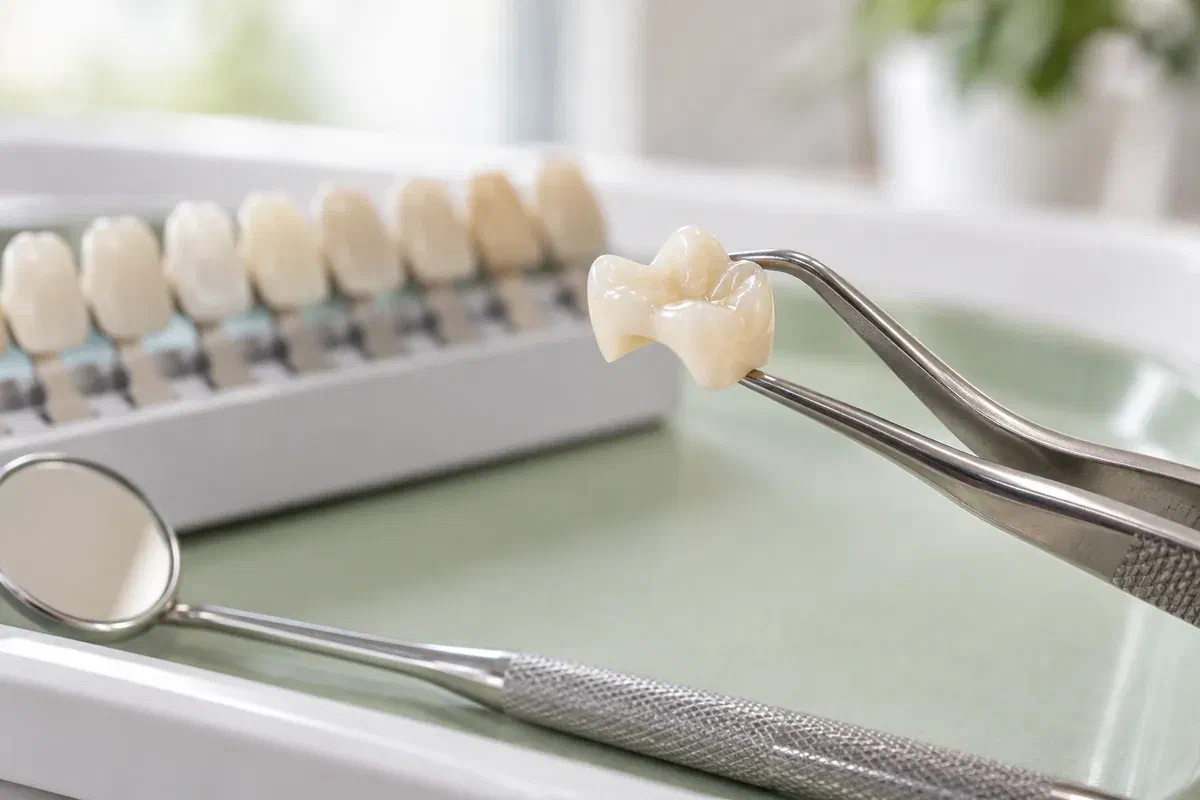
The dentist considers the whole tooth, the gum around it and the nerve inside. Only when the cause is clear can they judge whether a cusp needs support and whether the structure is suitable for a partial-coverage design.
Pain on release after biting is one pattern sometimes linked to a cracked cusp. If the crack is confined to that area, covering it may help. Your dentist tests the tooth to see where the problem lies.
Decay or a gap at the edge of an older repair can cause sensitivity. Once the tooth is examined, an onlay may be one option, but the decision follows the diagnosis.
It is fair to ask which surfaces could stay as they are. Preserving structure helps only when the design also protects the weak areas and the tooth is otherwise healthy.
Constant or throbbing pain, pain that wakes you, swelling or a crack running deep may mean the nerve or root is involved. An onlay is a restoration choice, not a treatment for every cause of toothache.
In a suitable case, an onlay replaces lost surface and covers fragile cusps, which can help protect them from the flexing that chewing causes. The parts of the tooth that remain healthy may be left in place.
It still involves preparation, and it cannot fix every crack. Bonding or retention conditions, the material, the depth of any fracture and the remaining structure all influence whether it is suitable. Ask what the onlay is expected to achieve and why it is preferred over a crown or other care.
Patient information: Cleveland Clinic — inlays and onlays
The onlay can extend over the cusps at risk instead of sitting only inside the tooth. Ask which surfaces are covered and how that relates to what the tests found.
Saving healthy tooth matters, but not at the cost of leaving a cracked cusp unsupported. Ask how your design balances those points.
The finished onlay is checked against neighbouring and opposing teeth. Tell the team if certain foods or bite positions set off the twinge, as that helps guide the fitting.
The sequence varies with how the onlay is made and what the tooth needs. Ask how many appointments are planned, how a temporary stage works and what findings, such as a deeper crack, might change the design.
The dentist checks the tooth, previous repairs, gums and bite, and may use bite tests, cold tests or X-rays. Once the cause is clearer, the proposed coverage and alternatives are discussed.
After the area is numbed, preparation begins. Removing old material can reveal the full extent of a crack, so the plan may be revisited. The shape is then recorded and any temporary explained.
Fit, neighbouring contacts and the relationship to the opposite teeth are assessed. Appearance can be discussed, and the dentist decides whether any adjustment is required.
Once fit and comfort are confirmed, the onlay is bonded or cemented as its material requires. Bite and surface are checked, and you are told what symptoms to watch for and when to return.
Once in place, the onlay becomes part of the chewing surface, but the tooth, nerve and margins still need care. Stick to the guidance you are given and contact us about any symptom that continues or returns.
Ask when you can chew normally and what to avoid in the first hours. Firmness alone is not a sign the tooth is ready for everything.
Twice-daily brushing with a fluoride toothpaste, and cleaning between teeth as shown, helps keep the margins healthy. Ask for a demonstration if the new contour makes it hard.
Some sensitivity can follow treatment. If the original sharp pain returns, worsens, or new symptoms appear, call so the dentist can reassess the tooth.
Understanding the cause of symptoms makes it easier to weigh treatment. These questions can help you prepare for your visit.
Book an assessment at our Bronte Street clinic for a back tooth that twinges, a broken chewing surface or a failing repair. We will explain what the findings show and whether an onlay or another option suits the tooth.
Call promptly about severe pain, pain that wakes you, swelling or a recent break. We will discuss the concern and how soon you should come in.
