Illustrative patient receiving practical guidance about a new denture
Restorative Dentistry

Denture Aftercare in Caledon

A denture that fitted snugly at first can feel different a few months on, as gums continue to change. Denture aftercare for Caledon follows you past the first weeks, reviewing fit, comfort and care and planning ahead for relines or replacement.

Longer-term denture care for Caledon

Months later, a slightly different fit.

Aftercare does not stop once the early soreness fades. Gums and the bone beneath them keep reshaping, most noticeably after extractions, and a denture that felt secure in spring may start to rock or rub by autumn. Planned reviews keep track of those changes.

How quickly fit changes depends on the appliance and your history. An immediate denture placed on fresh extraction sites often needs attention as healing progresses, while a replacement on long-healed gums may stay stable for longer. Ask what to expect for your own situation.

Tell us how the denture behaves now compared with the first weeks. At a review we can examine the fit, refresh handling and cleaning, and talk about whether an adjustment, reline or another step is due. A denture that has become painful should not simply be put up with.

Book a longer-term denture check
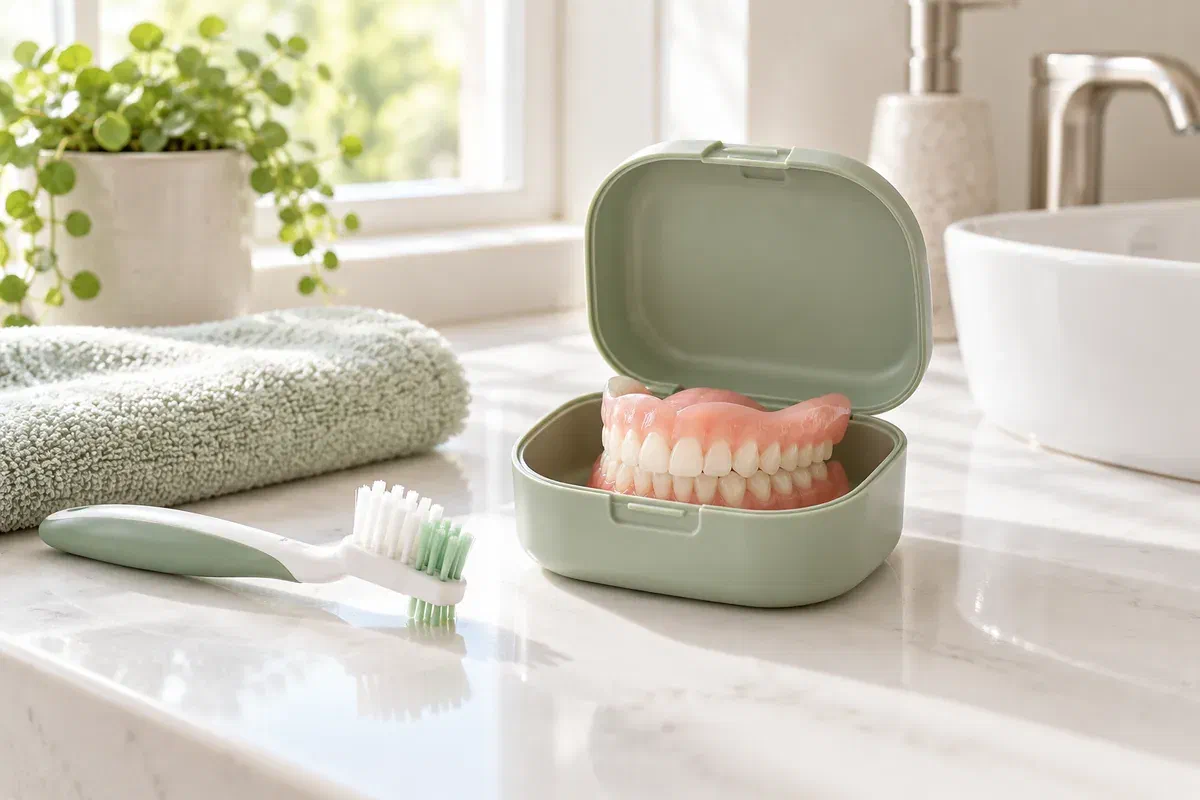
Clean denture set in a storage case beside a brush and towel
Changes that appear over time

Notice the drift, then bring it in.

Changes in fit can be gradual and easy to dismiss. Note when the denture first felt different, what happens when you eat or talk, and whether you are using more adhesive than before.

It no longer feels quite right

Slight looseness, a new rub or a change in how the teeth meet can creep up slowly. Describe what is just different and what is painful or affects eating and speech, so the dentist can judge what is needed.


Handling has become harder

Changes in health, grip or eyesight over the months can make care more difficult. Raise them so the team can suggest easier methods and, if you like, involve someone who helps you at home.

The routine may need revisiting

Check whether your wearing, storage and cleaning habits still suit the appliance, and whether any early post-extraction rules should now have ended. Routines can drift without anyone noticing.

If you are still within a healing period after extractions, the clinician who treated you sets the instructions and contact plan. Those take priority over general guidance.

Why ongoing reviews matter

Staying ahead of changes in your mouth.

Fit problems are easier to manage when caught early. A review looks at the gums and the denture together, so looseness or new pressure is investigated and treated instead of being worked around with more adhesive or shorter wearing time.

Each mouth changes at its own pace. Denture type, past experience, healing and general health all play a role. Ask how often you should be seen and which signs mean booking before the next planned visit.

Patient information: Guy’s and St Thomas’ — getting used to dentures

Refresh your routine

Bring the denture, its case and your cleaning products. The team can check your technique, update handling and storage advice and correct habits that may have crept in.

Catch fit changes early

Looseness, a rocking feel, new sore spots or a changed bite can each need a different response. Review allows the dentist to choose between adjustment, reline or another step.

Plan for relines or replacement

Dentures, especially those worn while healing, often need relining or replacing at some point. Talk about likely timing and what signs suggest the decision is approaching.

A follow-up review

Comparing then and now.

We focus on how things have changed since the denture was fitted or last adjusted. A description of what is different is enough; the examination will help explain why.

  1. Describe what has changed

    Share how long you wear the denture, whether adhesive use has increased, which foods or sounds have become harder and where any soreness is. Mention health changes and medications as well.

  2. Examine fit and tissues

    The dentist checks your gums, how the denture seats, the bite and the condition of the appliance. That shows whether changes come from tissue reshaping, wear or something else.

  3. Recommend a response

    Options may include a refresher on handling, an adjustment, or a discussion of relining or replacement. If another procedure is suggested, the reasons and its effect on your plan are explained.

  4. Set the review schedule

    Agree on when to return, which instructions apply now and what should prompt a call. Ask for a written summary if it would be useful.

Long-term habits

Care that keeps up as your mouth changes.

Daily care still covers the appliance and the gums. Once any healing period is over, follow the routine your dentist recommends for wearing, cleaning and storage, and revisit it at reviews.

Notice changes in eating and speech

If foods that were easy become difficult again, or sounds start to slip, write it down. These shifts can signal fit changes, so mention them rather than adjusting your diet around them.

Keep handling careful

Clean the denture over a soft surface or water and store it in a closed case. Old habits like wrapping it in a napkin or leaving it where pets can reach are worth avoiding.

Look after gums and natural teeth

Brush any natural teeth with fluoride toothpaste and keep up gum care as you were advised. Products for cleaning the denture are not suitable for use inside your mouth.

Possible outcomes

Adjust, reline or start planning ahead.

Sometimes all that is needed is reassurance and a routine update; sometimes the denture needs work. Ask why a particular option suits your situation.

When fit and tissues are holding up

Routine update and monitoring

If the denture still fits well, refreshed advice and a date for the next review may be all you need. You will also know what changes justify coming back sooner.

When the fit has shifted

Adjustment or reline

A rubbing spot or bite change may respond to an adjustment, while wider looseness may suit a reline or another approach. The work and its expected effect are explained beforehand.

When the appliance no longer suits your mouth

Replacement or a revised plan

Significant changes in the tissues, wear on the denture or persistent problems may mean a new appliance or a different approach. The team can discuss options and any specialist input.

Questions about the longer term

What happens after the first few months.

A denture is a long-term companion that needs occasional attention. These answers cover common questions about fit and care over time.

(905) 876-4488
Why does my denture feel looser than when it was first fitted?
Gums and the bone beneath them gradually change shape, especially in the months after extractions. That can loosen the fit. Mention it at a review so the dentist can decide whether an adjustment or reline is appropriate.
What is a denture reline?
A reline reshapes the fitting surface of the denture to match the current shape of your gums. It is one way of restoring fit without making a whole new appliance, though it is not right for every denture. Your dentist can explain whether it suits yours, what the process involves and how you would manage while it is being done.
Is using more adhesive a good solution for a loose denture?
Relying on increasing amounts of adhesive can hide a fit problem. Use adhesive only as your dentist advises, clean it off the denture and gums each day, and book a review if you find you need more than before.
How long does a denture usually last?
It varies with the material, how it is cared for and how your mouth changes. Your dentist can monitor wear and fit at regular reviews and tell you when replacement may need to be considered.
Should I keep taking my denture out at night years later?
Generally yes, overnight removal remains good practice for routine wear because it rests the gums and gives you a natural moment to clean the appliance thoroughly, unless your dentist advises otherwise for a particular reason. Ask at your next review if you have drifted out of the habit.
How often should I book reviews from Caledon?
Your dentist will suggest a schedule based on your mouth and appliance. Booking the next date before you leave makes it easier to plan. If something changes in between, call to describe it.
Caledon denture follow-up

Keep your denture working for you.

Arrange a follow-up at our Bronte Street practice if your denture feels different from when it was fitted. Bring the appliance, any adhesive you use and your cleaning products.

Call about pain, a sore that will not settle, or a denture that has cracked or become very loose. The team can talk through whether you should be seen sooner.

Visit Milton Dental Clinic
Unit 1, 342 Bronte St. S, Milton, ON L9T 5B7
Get directions Clinic hours
Monday–Thursday
11am–7pm
Friday–Sunday
By appointment only

Areas we serve

  • Milton
  • Oakville
  • Mississauga
  • Georgetown
  • Halton Hills
  • Acton
  • Campbellville
  • Brampton
  • Burlington
  • Puslinch
  • Rockwood
  • Erin
  • Caledon
  • Etobicoke
  • Old Milton
  • Bronte Meadows
  • Timberlea
  • Dorset Park
  • Dempsey
  • Clarke
  • Beaty
  • Coates
  • Harrison
  • Scott
  • Willmott
  • Ford
  • Bowes
  • Cobden
  • Walker
  • Mountain View
  • Milton Heights
  • Hawthorne Village
  • Valley View
  • Fallingbrook
  • Nassagaweya
  • Trafalgar
  • Esquesing
  • Nelson
  • Brookville
  • Moffat
  • Glen Williams
  • Norval
  • Limehouse
  • Stewarttown
  • Ashgrove
  • Hornby
  • Silver Creek
  • Speyside
  • Scotch Block
  • North Oakville
  • River Oaks
  • Glen Abbey
  • West Oak Trails
  • Palermo
  • Bronte Creek
  • College Park
  • Joshua Creek
  • Uptown Core
  • Preserve
  • Iroquois Ridge
  • Lisgar
  • Meadowvale
  • Meadowvale Village
  • Churchill Meadows
  • Erin Mills
  • Central Erin Mills
  • Streetsville
  • East Credit
  • Creditview
  • Heartland
  • Sheridan
  • Mount Pleasant
  • Credit Valley
  • Huttonville
  • Churchville
  • Springbrook
  • Northwest Brampton
  • Bram West
  • Fletcher's Meadow
  • Fletcher's Creek South
  • Alton Village
  • Orchard
  • Millcroft
  • Headon Forest
  • Tansley
  • Brant Hills
  • Tyandaga
  • Kilbride
  • Lowville
  • Aberfoyle
  • Morriston
  • Arkell
  • Hillsburgh
  • Freelton
  • Carlisle
  • Waterdown
  • Flamborough
  • Mountsberg

How can we help?

Milton Dental Clinic

Have a question about your smile? Choose the option that works best for you.

For urgent dental concerns, please call.
Messages are reviewed during clinic hours.