The shape is not what you are used to
A fresh set of teeth may be longer, fuller or positioned to restore a bite that had collapsed over time. Note which differences are only unfamiliar and which cause pain or interfere with eating or talking.


Swapping a familiar old denture for a new one can feel like starting over. Denture aftercare for Old Milton helps you sort out what is simply different, what needs adjusting, and how to care for the new appliance day to day.
An old denture may have worn down, loosened or yellowed, yet your mouth knew it well. Its replacement can feel bulkier, sit differently or change how you chew, even when it is made well. Aftercare helps you work through that adjustment rather than reaching for the old set.
Guidance should fit the appliance in front of you. A replacement made for gums that healed long ago is approached differently from a denture placed right after extractions. Habits from years of wearing the previous one may not suit the new design, so check before carrying them over.
Tell us plainly what feels better, what feels worse and what you miss about the old one. A review can look at the fit, refresh handling and cleaning, and decide whether anything needs further attention. Lasting pain is a reason to come back, not a phase to tolerate.
Even seasoned wearers notice things after a replacement. Describe specific moments, such as biting into toast, saying certain words or seating the denture in the morning, so the review addresses the actual problem.
A fresh set of teeth may be longer, fuller or positioned to restore a bite that had collapsed over time. Note which differences are only unfamiliar and which cause pain or interfere with eating or talking.
The way you seated or removed the previous denture may not suit the new one. Ask for a fresh demonstration, and mention any stiffness in the hands or difficulty seeing small details so practical options can be discussed.
Check how the new appliance should be cleaned, stored and worn, and whether any recent extractions change things at first. What worked for an older material or design is not automatically right now.
If teeth were removed when the new denture was placed, the surgical clinician’s aftercare and contact instructions take priority over any general advice.
Once you have worn the replacement for a while, you will know which questions matter most. A review considers the denture and the tissues under it together, so a genuine fit issue is not dismissed as simply needing more time.
There is no set schedule for feeling at ease. Your gums, the type of denture, how long you wore the previous one and any recent healing all influence the timeline. Ask what improvement is reasonable for you and when a problem warrants an earlier visit.
Patient information: Guy’s and St Thomas’ — getting used to dentures
Bring the new denture and the products you now use. The team can show handling, cleaning and storage again so that long-standing habits are matched to the appliance you actually have.
A rubbing point, a bite that lands on one side first or a fit that feels loose overall may each need its own response. The dentist can judge whether an adjustment or something else is the right step.
The mouth keeps changing, especially after extractions. Ask when routine checks should happen and how reline or replacement decisions are usually made as your gums reshape.
We begin with what has happened since the new denture arrived. You do not need to know what is wrong; an honest description of your days with it gives the dentist plenty to work with.
Explain how the replacement differs in daily life: hours of wear, difficult foods, words that sound off and any tender areas. Mention health changes and anything about the instructions that has been tricky.
The dentist examines your gums, the denture’s seating and how the teeth meet. This separates normal adaptation from a pressure point, slow healing or another condition that needs care.
You may receive a refresher demonstration, revised advice or an adjustment. If another procedure is needed, the reasons are explained along with how it relates to your current treatment.
Leave knowing which instructions to follow, when to return and which changes mean calling sooner. Request written notes if that makes the plan easier to keep.
Care covers both the denture and your mouth. Follow any post-surgery directions first, then settle into the wearing, cleaning and storage routine your dentist recommends for this particular appliance.
Begin with foods that are easy to manage and use the techniques you were shown. Saying a few familiar phrases aloud can highlight sounds that need practice. If something does not improve, ask whether the fit or tooth position should be checked.
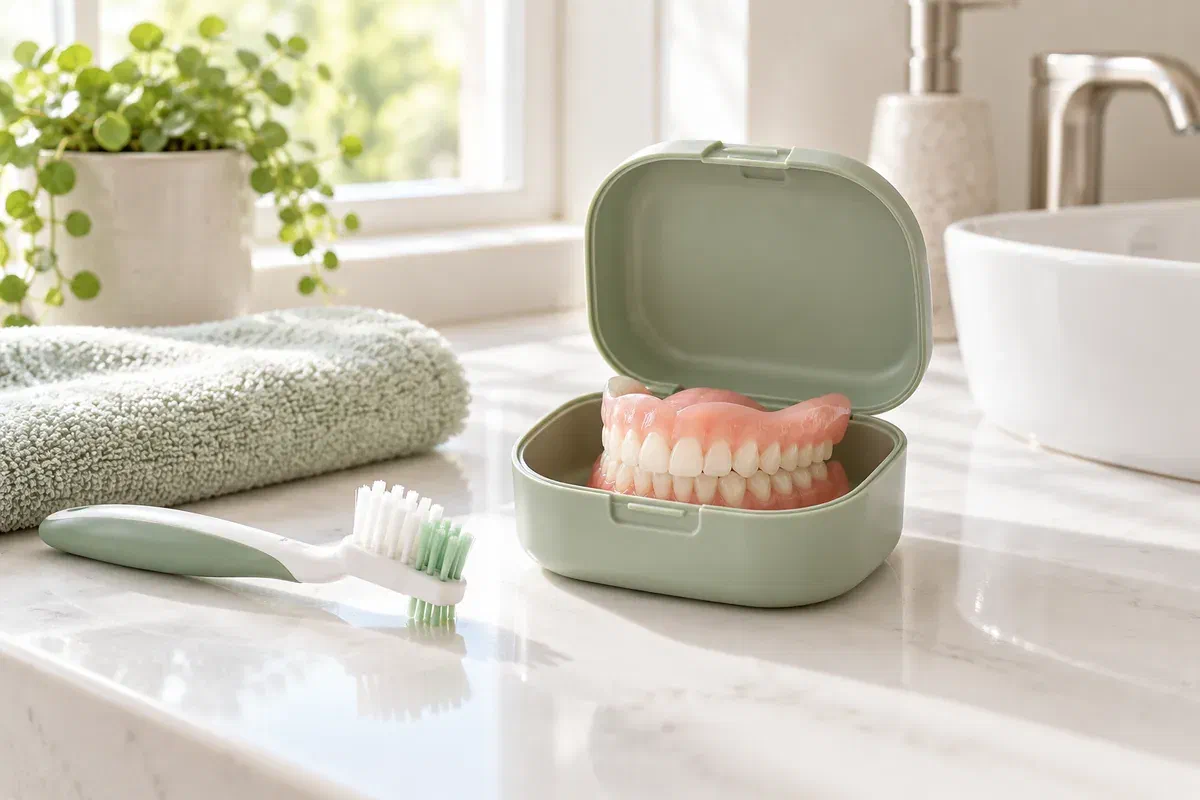
Clean it over water or a towel and keep it in its case when it is out. Avoid wrapping it in tissue, where it can be thrown out by mistake, and keep it away from curious pets.
Brush natural teeth with fluoride toothpaste and follow your gum care advice. Denture cleaners are made for the appliance, not for use in your mouth, so keep the two kinds of product separate.
Experience helps, but a new appliance still brings questions. These answers address common ones from people moving to a replacement denture.
Arrange a review at our Bronte Street clinic, a short trip from Milton’s historic downtown. Bring the replacement, your old set if you still use it, and the products in your routine.
Call about strong pain, a sore that will not heal, or concerns after an extraction. We can help decide if an earlier appointment is needed.
