The base has deteriorated
Wear, material changes, or a history of repairs may prompt a closer review. The dentist assesses whether the problem is localized enough for repair or whether replacing the base would be a more suitable approach.


A worn denture base does not always mean every part of the appliance needs replacing. Explore denture rebasing in Milton and discuss whether suitable existing teeth can be retained within a renewed base.
Denture rebasing replaces the base material of an existing appliance while retaining its teeth when they and their arrangement remain suitable. The base is the part that carries the replacement teeth and relates to the supporting tissues. Its condition can deteriorate independently of the tooth surfaces.
Rebasing is different from adding material to improve the fitting surface through a reline. It is also different from making an entirely new denture. Deciding among those options requires an assessment of the whole appliance, including fit, bite, tooth wear, appearance, and the mouth beneath it.
At Milton Dental Clinic, we can review whether a rebase would address the actual problem with your denture. Tell us about previous repairs, changes in fit, and what you would like to retain. A useful recommendation explains why the existing teeth are worth keeping and what the renewed base can realistically improve.
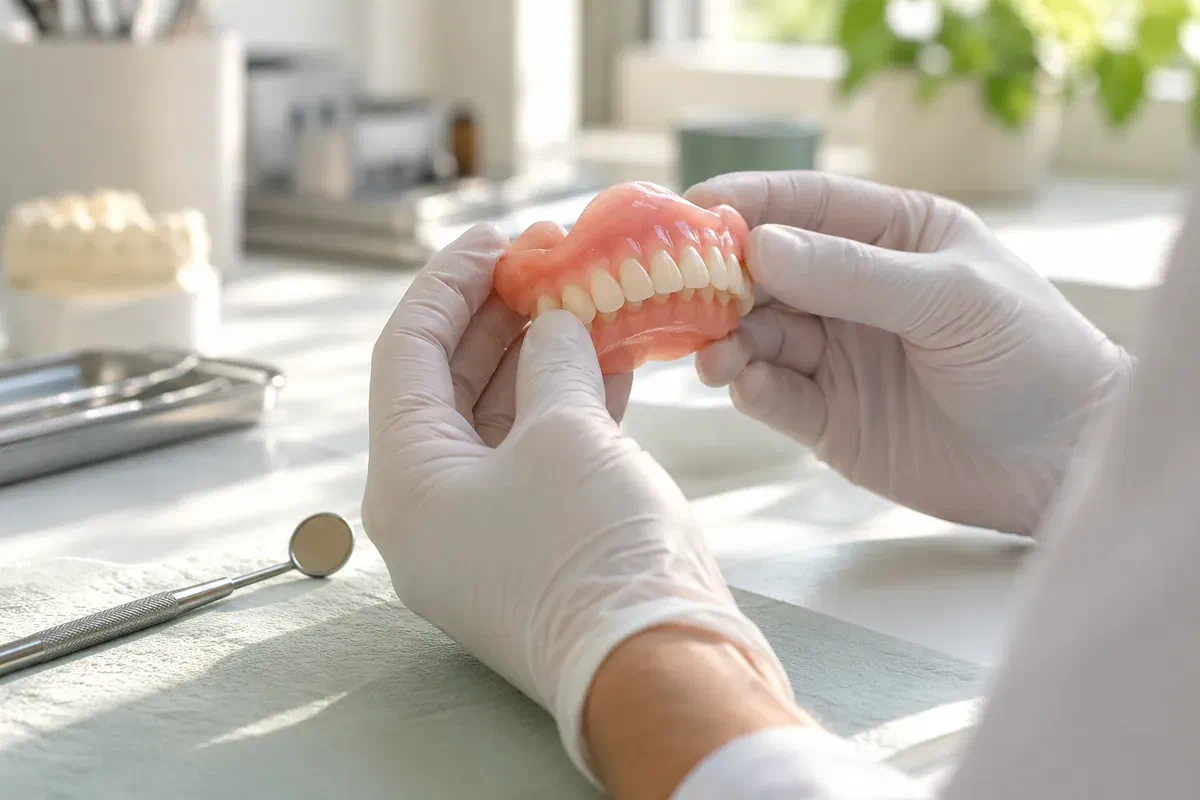
A denture is a combination of components, and their condition matters together. Rebasing is considered when replacing the base is appropriate and retaining the existing teeth still makes clinical sense.
Wear, material changes, or a history of repairs may prompt a closer review. The dentist assesses whether the problem is localized enough for repair or whether replacing the base would be a more suitable approach.
You may like their appearance or feel that they still function well. The clinician also needs to assess wear and arrangement, because an attractive tooth row is not enough to establish that rebasing is appropriate.
Fit changes can lead to discussion of relining, rebasing, or replacement. Ask which aspect of the appliance needs changing and whether the proposed procedure addresses the support and bite as well as the visible material.
Repeated breakage or discomfort deserves an assessment of the cause. A new base should not simply reproduce an arrangement that remains unsuitable for the mouth.
In a suitable case, rebasing can address the base while preserving a tooth arrangement that remains appropriate. It offers a different scope of treatment from replacing the entire appliance, but that narrower scope is useful only when the retained parts are sound.
A rebase does not automatically correct worn teeth, an unsuitable bite, or appearance concerns related to tooth position. Ask what will remain the same and which limitations would still exist after treatment before choosing it over a new denture.
Patient information: American Dental Association — dental terms
If the existing teeth remain appropriate, retaining them may preserve features you already find acceptable. The clinician should explain how their condition and position have been assessed.
When a small repair or surface reline is insufficient, replacing the base may be worth discussing. Ask why that extent of work is recommended and how it relates to the findings.
The assessment gives you a basis for comparing the benefits, limitations, appointments, and cost of each approach. A new base should be chosen for a clear purpose rather than as a way to avoid discussing an unsuitable appliance.
The process depends on the appliance and the proposed work. Ask about records, laboratory involvement, time without the denture, and the fitting and review appointments before agreeing to proceed.
The dentist examines supporting tissues and reviews the denture’s fit, bite, teeth, and base. Your previous repairs and symptoms help frame the assessment, but the current condition determines suitability.
Discuss whether a repair, reline, or new denture would better address the findings. Clarify what rebasing would change, what it would retain, and whether the retained tooth arrangement remains appropriate.
Appropriate impressions and other records may be needed to guide the renewed base. The team explains how the appliance will be handled during the process and any arrangements needed while it is unavailable.
The appliance is assessed in the mouth for fit, contacts, and function. You receive instructions for use and care, with follow-up to address concerns that become apparent during ordinary wearing.
Retaining the existing teeth does not mean the appliance will feel unchanged. Follow the clinician’s instructions and describe any differences in comfort or function so the new base can be assessed appropriately.
Ask how to resume use and whether any special precautions apply. If a sore area develops, contact the team rather than assuming you must wear through it because the denture teeth are familiar.
The renewed material may change the product guidance you previously followed. Ask which brush, cleanser, and storage conditions are suitable, especially if the appliance contains other components or liners.
Report movement, pressure, or a changed bite during normal use. A review helps determine whether a limited adjustment is needed or whether another issue should be investigated.
Rebasing is a specific procedure with a specific scope. These questions can help you distinguish it from relining, repair, and complete replacement before choosing a treatment.
Arrange a visit at our Bronte Street clinic to review a worn or troublesome denture base. We can assess the teeth, fit, and supporting mouth, then explain whether rebasing or another approach would better address the concern.
Bring the appliance and any available history of repairs or relines so the assessment can consider how its condition has changed.
