Wear, porosity or repeated repairs
Acrylic that looks tired, feels rough or has been mended several times may need attention. The dentist decides whether a single repair could do the job or a whole new base is warranted.


Renew the base, or would a new denture serve you longer? The answer depends on what is worn and what is not. An assessment of the base, the teeth and your mouth gives you something solid to decide on.
The honest answer is that it depends on the teeth. Rebasing swaps out the acrylic foundation of a denture and reuses its existing teeth. That is a sensible trade only when those teeth, and the way they are positioned, still suit your mouth and are likely to keep doing so.
You may also hear about relining, which adds fresh material to the side that touches your gums while the original base stays, and about making a new denture, which replaces everything. Comparing the three properly means looking at fit, bite, tooth wear and appearance together, along with the gums and bone underneath.
When you come from Georgetown to our Bronte Street practice, we focus first on whether a rebase would solve the problem in front of us. Let us know what has been repaired before, how the fit has changed and what you value about the denture. You should hear clearly why the teeth are worth keeping, and where a renewed base would fall short.
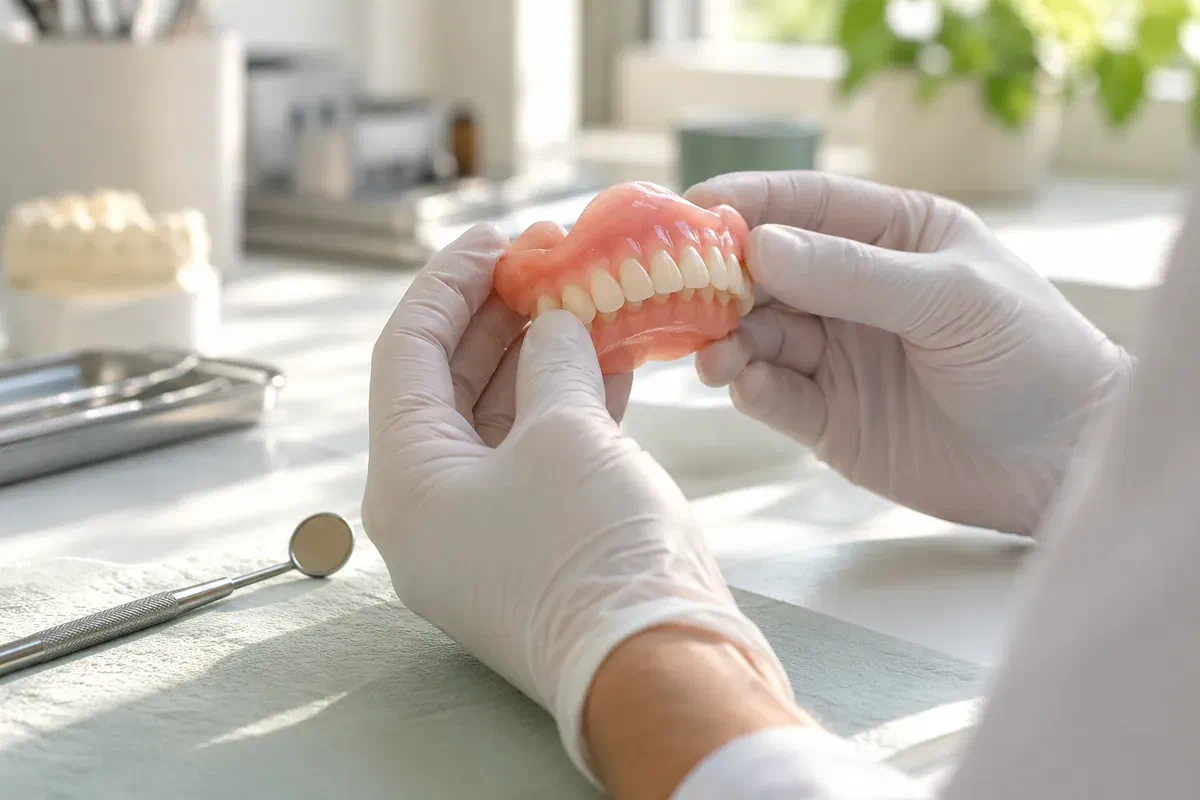
It is common for the teeth to outlast the base, or the other way round. A rebase is worth weighing when the base needs renewing while the teeth you have still make sense to keep.
Acrylic that looks tired, feels rough or has been mended several times may need attention. The dentist decides whether a single repair could do the job or a whole new base is warranted.
Liking your teeth is a good reason to ask, but not a deciding one. Wear and positioning are assessed too, because a pleasing appearance does not by itself confirm suitability for a rebase.
If it lifts, rocks or presses in new places, relining, rebasing or replacement may come up. Ask which part needs changing and whether support and bite are part of the plan, not just the visible acrylic.
Frequent breakage or soreness means something underlying needs to be understood. Replacing the base while keeping an unsuitable arrangement would leave that cause in place.
Where the denture suits it, rebasing renews the base while a still-appropriate set of teeth carries on. Its scope is smaller than a complete remake, which is helpful only as long as what you keep is in good shape.
Some limits come with that smaller scope. The procedure does not rebuild worn biting surfaces, rebalance an unsuitable bite or address appearance concerns tied to tooth position. Ask what will be unchanged, and which drawbacks remain, before you choose it ahead of a new denture.
Patient information: American Dental Association — dental terms
If they remain suitable, keeping your current teeth can preserve features you are content with. The clinician should explain how their condition and placement were evaluated.
When a patch or reline would leave the underlying problem, renewing the whole base may be worth discussing. Ask why this scope is advised and what in the exam supports it.
Your assessment gives a basis for weighing benefits, limits, visits and cost. Choose a new base because it meets a defined need, not because it delays a conversation about a denture that has reached its limits.
Every rebase is shaped by the denture involved. Before you agree, ask what records are needed, whether lab work is involved, how long the denture will be away and when you return for fitting and review.
Your gums and the ridges supporting the denture are examined, and the appliance is checked for fit, bite, tooth condition and base wear. Past repairs give context, but today’s findings guide the recommendation.
Discuss whether repair, relining or a new denture would serve you better. Understand what a rebase changes, what it keeps and whether the kept tooth arrangement is still suitable.
Impressions and related records may be needed. We explain how your denture will be handled and help you plan for the time it is out of your mouth.
The rebased denture is tried in and assessed for seating, tooth contact and function. Care instructions follow, and a review lets you raise anything that comes up in normal wear.
You know these teeth, but the base beneath them is new. Keep to the guidance provided and tell us about any shift in comfort or chewing so we can check the base properly.
Ask how to resume wear and whether any precautions apply. A sore spot is a reason to call, not something to endure because the teeth feel the same as always.
The new material may call for different products than before. Confirm which brush, cleanser and storage are suitable, especially if liners or other parts are part of the denture.
Mention any movement, pressure or changed bite. That visit helps decide whether a small adjustment will do or whether something else needs investigating.
A rebase does a particular job. These answers can help you decide whether that job matches your denture, or whether relining or replacement fits better.
Set aside one appointment with us on Bronte Street and bring the denture that has been giving you trouble. We look at the teeth, the fit and the tissues supporting them, then explain whether rebasing or another approach would serve you better.
Anything you remember about its repairs or relines is useful too, since it helps us understand how the denture has changed.
