The denture rocks during ordinary use
Describe whether movement occurs while chewing, speaking, or opening your mouth. An appliance that lifts in one situation may have a different problem from one that feels loose all day.


A familiar denture can begin to feel less secure as the mouth changes beneath it. Discuss denture relines in Milton and find out whether renewing the fitting surface is the right way to improve its support.
A denture reline changes the surface that rests against the mouth. The aim is to improve its relationship with the supporting tissues when the existing appliance is otherwise suitable. It does not involve designing an entirely new set of teeth, and it cannot solve every reason a denture moves.
You might notice that an appliance which once felt comfortable now rocks during a meal or allows more food underneath. Changes in the supporting mouth can contribute, particularly during healing after tooth removal. The condition of the teeth, the bite, and the denture itself also need consideration before a reline is recommended.
At Milton Dental Clinic, we begin by reviewing what has changed and examining the appliance in your mouth. Tell us when it moves, whether there is tenderness, and what you have tried. Those details help us explain whether a reline addresses the problem or whether another approach deserves discussion.
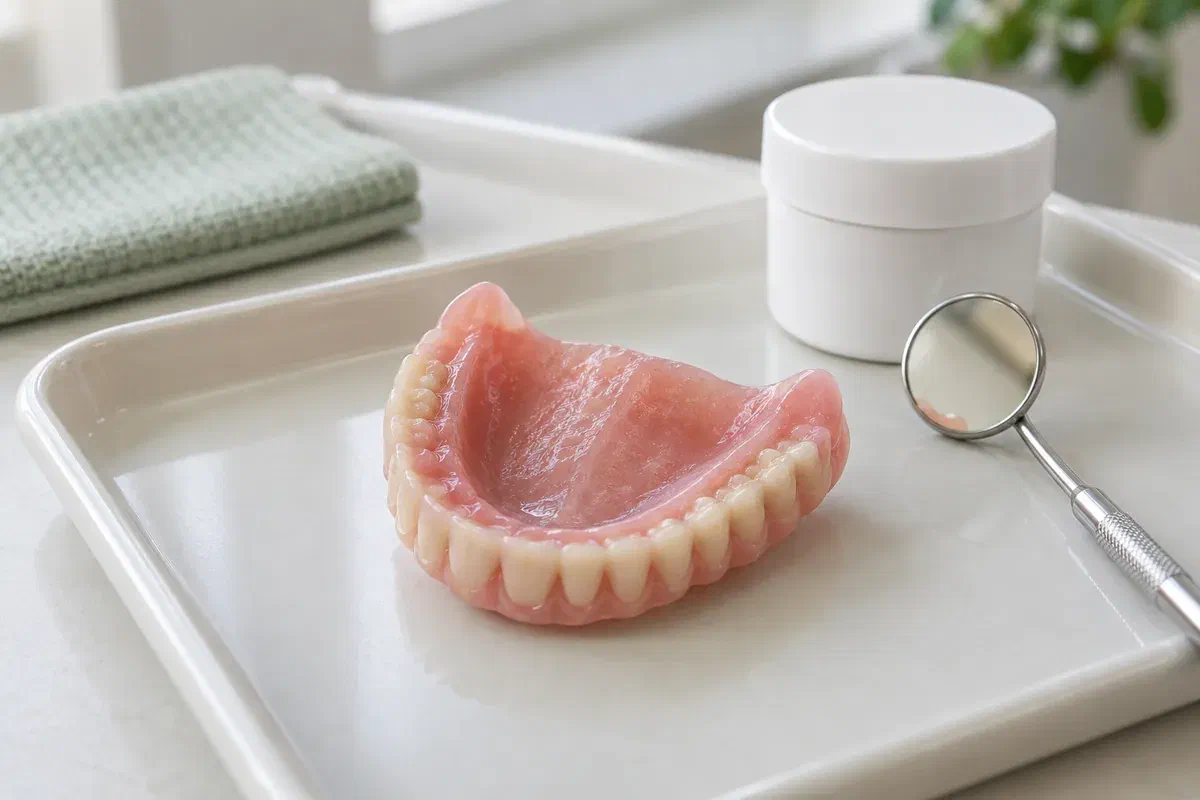
A fit assessment considers where the denture is supported, how it behaves during use, and whether the surrounding tissues are healthy. The same symptom can lead to different recommendations for different appliances.
Describe whether movement occurs while chewing, speaking, or opening your mouth. An appliance that lifts in one situation may have a different problem from one that feels loose all day.
A denture made around the time of extractions may need its fit reviewed as tissues change. Ask how the stage of healing affects the timing and purpose of any proposed reline.
New trapping or irritation is worth mentioning, even if the denture has not visibly broken. The dentist can assess whether the fitting surface, borders, or another feature is contributing.
A reline should follow an examination. Increasing adhesive or adding a home lining material can conceal the problem without establishing whether the appliance remains suitable.
When the tooth arrangement, bite, and base remain useful, renewing the fitting surface may offer a focused way to address a changed relationship with the mouth. The intended benefit should be explained in terms of the findings in your particular denture.
There are limits to what this procedure changes. It does not replace worn teeth, redesign every border, or make a damaged appliance sound by default. Ask which concerns are expected to improve and which would remain after the proposed work.
Patient information: Canadian Dental Association — dentures
The recommendation can focus on the surface that contacts the supporting tissues. Understanding that purpose helps you judge whether the proposed treatment matches the difficulty you experience during daily use.
If the current teeth and arrangement remain appropriate, those features may be kept. Tell the clinician what you like about the appliance as well as what you would like to change.
During a period of healing, the discussion may include an interim approach and later reassessment. Ask whether the suggested material and timing are intended for a temporary stage or a more settled situation.
The method and appointment schedule depend on the denture, tissues, and material being considered. You should understand the proposed process, any time without the appliance, and the review arrangements before treatment begins.
Bring the denture and explain when the problem started. Mention recent extractions, previous relines, sore areas, and the amount of adhesive you use so the assessment begins with the relevant history.
The dentist checks whether the mouth is ready for the proposed work and whether the rest of the appliance remains suitable. A reline is considered alongside adjustments, rebasing, and replacement where relevant.
Discuss the type of lining, records required, and whether laboratory work is involved. Ask what the denture will feel like afterward, when you can use it, and what limitations to expect.
Fit and contacts are assessed after the work, with instructions for use and cleaning. Arrange the recommended review and report pressure or movement that becomes apparent when you return to ordinary activities.
Care instructions depend on the material placed and the condition of the mouth. Ask for guidance specific to your appliance instead of assuming that every product used before the reline is still appropriate.
Some liners require particular care. Ask which brush, cleanser, soaking routine, and storage conditions are suitable, and have the team show you how to clean the surface without damaging it.
Describe new pressure, rocking, or changes in the way the teeth meet. Note when the difficulty occurs rather than repeatedly testing a painful area or trying to reshape the lining yourself.
A reline is not a reason to stop routine oral examinations. Your clinician can advise when the appliance and tissues should be checked, particularly if healing or other changes are continuing.
The most useful questions connect the proposed material and method to your own appliance. Ask for an explanation of the expected improvement, practical arrangements, and care afterward.
Visit our Bronte Street clinic to discuss a denture that has become loose or uncomfortable. We can examine its support, teeth, and bite, then explain whether relining or another fit correction makes sense.
Bring the appliance and tell us about previous lining materials, repairs, and recent changes in how it feels.
