Several features are no longer working well
Movement, worn teeth, and appearance concerns may occur together. Tell us which difficulty matters most to you so the conversation does not focus only on the most visible sign of wear.


When an older denture no longer supports comfortable everyday use, it may be time to reconsider the whole appliance. Explore denture replacement in Milton with a review of fit, tooth wear, appearance, and the features you want your next denture to address.
Denture replacement involves planning a new appliance when the existing one no longer meets the needs of the mouth. The decision can reflect changes in fit, worn artificial teeth, damage, or a combination of concerns. Age alone does not explain whether replacement is necessary.
Your experience with the current denture is valuable. You may want to retain a familiar appearance while improving a particular difficulty, or you may want to revisit features that never felt right. Bring those observations to the consultation, including what happens during meals and conversation.
At Milton Dental Clinic, we review the appliance alongside the supporting mouth and your priorities. The discussion should explain why a new denture is being considered, whether a smaller intervention remains reasonable, and what can realistically be changed. Replacing an appliance is an opportunity to make informed choices about its design and use.
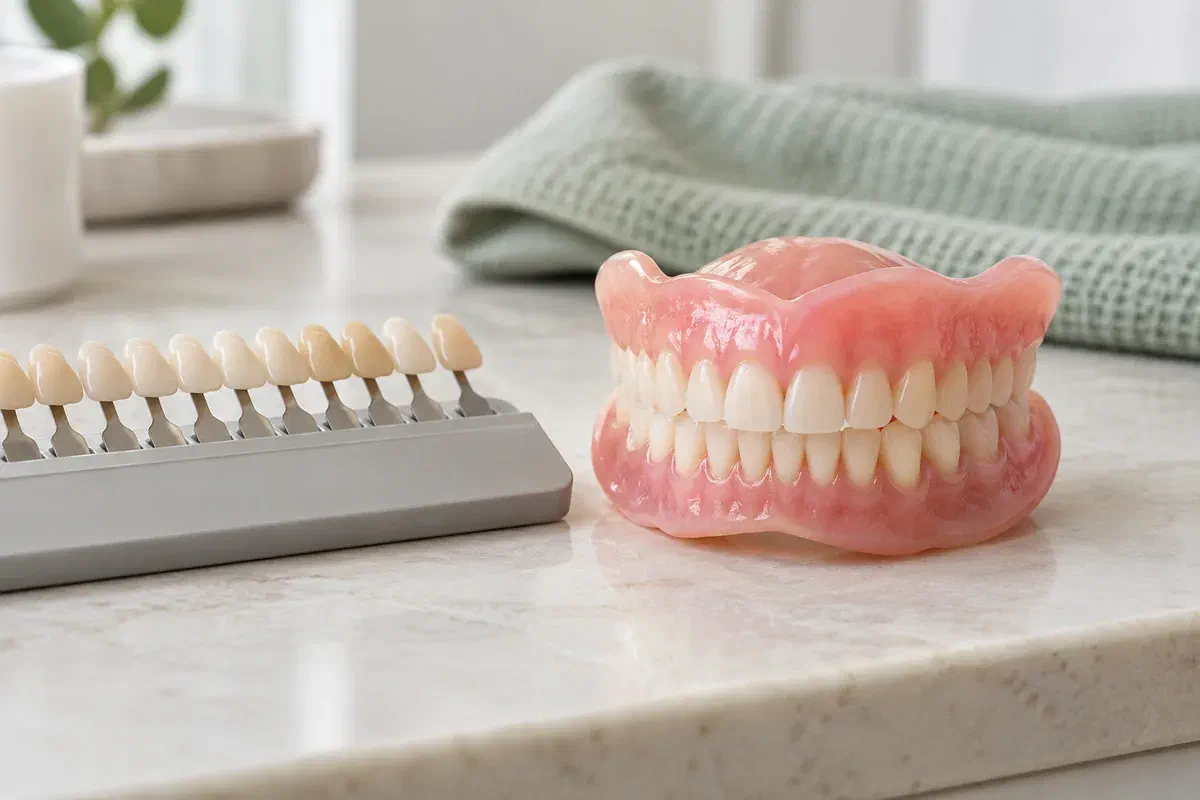
A denture may still be wearable while important features have changed. An assessment brings together the condition of the teeth and base, the health of the mouth, and the practical difficulties you experience.
Movement, worn teeth, and appearance concerns may occur together. Tell us which difficulty matters most to you so the conversation does not focus only on the most visible sign of wear.
An appliance with a long repair history deserves a broader review. Ask whether another limited repair would preserve a useful denture or postpone changes that the whole appliance now needs.
Changes in supporting tissues, remaining teeth, or your ability to handle and clean the appliance can affect its suitability. Mention practical difficulties even if they seem unrelated to the denture's appearance.
There is no single replacement date that suits every denture. Regular assessment helps establish whether continued use, maintenance, or a new appliance is appropriate.
A new denture allows more features to be reconsidered than a localized repair or reline. That can be useful when the existing tooth arrangement, worn surfaces, or broader design no longer meets the needs identified during the examination.
The goal should be specific to your situation. Discuss the limitations of a removable appliance as well as the improvements being sought. A replacement may feel different and require adjustment; it should not be presented as an automatic return to the feel of natural teeth.
Patient information: American College of Prosthodontists — denture replacement
Explain which aspects of the old denture you would keep and which you would change. This creates a clearer starting point for discussions about tooth appearance, support, handling, and everyday comfort.
A replacement plan can consider features together instead of working around all the constraints of the old appliance. Ask how the examination findings influence the proposed design and the alternatives available.
Knowing the likely stages, fitting arrangements, and review process can make the change easier to organize. Discuss work, travel, caring responsibilities, and any concern about being without a usable appliance.
The appointment sequence depends on the appliance and the condition of the mouth. Ask how records, tooth selection, fitting checks, and any preliminary care will be organized for your proposed treatment.
Bring the current appliance, even if it is uncomfortable, and explain its history. The dentist assesses the mouth and identifies which concerns might be addressed by replacement and which need separate attention.
Discuss whether repair or relining remains appropriate and what a new appliance would change. Review the scope, expected appointments, costs, and limitations before agreeing to the treatment that best reflects the findings.
Impressions or other records guide the appliance's construction. Depending on the process, there may be opportunities to discuss tooth appearance and assess an intermediate stage before the final denture is completed.
The new denture is assessed in the mouth and you receive instructions for insertion, removal, and care. Follow-up allows the team to review concerns that emerge when you use it in ordinary life.
Even an experienced denture wearer may need time and guidance with a replacement. Follow the instructions for your appliance and describe specific problems rather than assuming that every difference is something you must tolerate.
Ask the team to demonstrate insertion and removal, especially if the design differs from your previous appliance. Confirm compatible cleaning products and storage arrangements, and explain any difficulty with grip or vision.
Notice where discomfort occurs and whether movement appears during speech or particular meals. Contact the clinic about persistent problems so the fit and contacts can be checked without guesswork or home adjustments.
The fitting appointment is one part of the process. Attend the planned follow-up, ask whether further adaptation advice is needed, and continue oral examinations even if the new denture initially feels comfortable.
A useful replacement discussion includes both clinical findings and your everyday experience. These questions can help you prepare without assuming that a particular design or timetable has already been decided.
Arrange a visit at our Bronte Street clinic to review an aging, repeatedly repaired, or uncomfortable denture. We can discuss what remains suitable and whether a new appliance offers a more appropriate way forward.
Bring your current appliance and a short list of the features you want to keep, improve, or understand better.
