Daily workarounds have become normal
Extra adhesive, chewing on one side or avoiding certain words can all hide a poor fit or worn teeth. Tell us which compromise bothers you most, so the review focuses on your real priority.


Some people hesitate over a new denture because they remember how long the last one took to get used to. Before you decide, it helps to know what the first weeks really involve. Wearers from Erin and Hillsburgh can talk through the adjustment period as part of planning a replacement.
Plenty of experienced wearers put off replacement for one simple reason: the old denture took weeks to feel normal, and nobody wants to go through that again. It is a fair worry, and one worth raising before any decision is made.
A replacement is a newly designed appliance, considered when the current one no longer suits your mouth because of a changed fit, worn teeth, damage or a mix of these. Knowing your history with dentures, including how you adapted last time, helps us plan the change more thoughtfully.
For households in Erin, our Bronte Street team will talk honestly about what adapting might involve, alongside examining the denture and your mouth. We explain whether a smaller fix could postpone replacement, what a new appliance would change, and how we support you through the settling-in period.
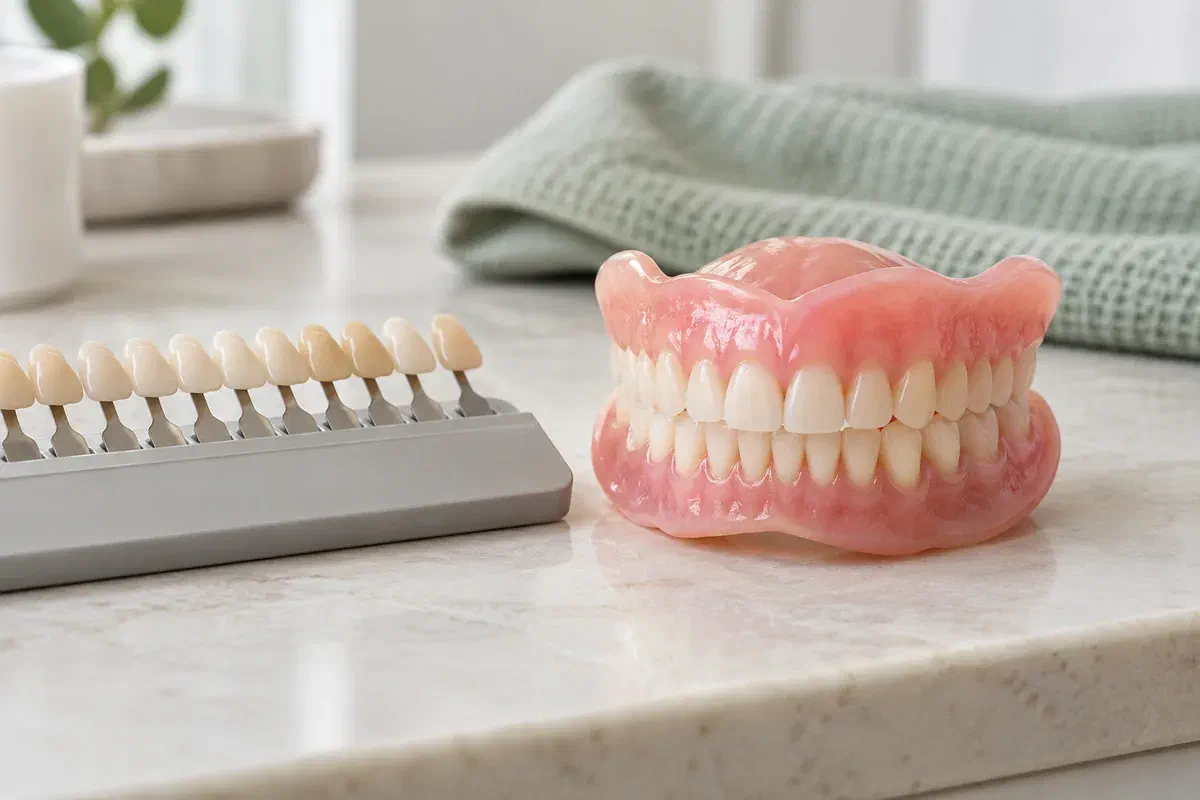
Avoiding change can mean living with a denture that has quietly stopped working well. An assessment looks at the appliance, the health of your gums and any natural teeth, and how much you have been working around problems.
Extra adhesive, chewing on one side or avoiding certain words can all hide a poor fit or worn teeth. Tell us which compromise bothers you most, so the review focuses on your real priority.
If repairs or relines seem to help for shorter and shorter periods, a broader review may be due. Ask whether another fix is worthwhile or simply delays an inevitable redesign.
Recurring sore spots, changes in the gums or remaining teeth, and new difficulty handling the appliance are all relevant. A sore that doesn't heal should be examined promptly.
Age alone won't tell you whether a denture needs replacing. Regular examinations help decide between keeping, maintaining or renewing it.
A new appliance allows the teeth, base and overall design to be reconsidered rather than patched. When the examination shows several features are no longer working, a replacement may solve problems that repairs keep circling back to.
Adapting is real, and it varies from person to person. A new denture may feel bulky, change speech for a while, or need a few adjustments. It is not a return to natural teeth, but with support, many wearers settle into a replacement that serves them better.
Patient information: American College of Prosthodontists — denture replacement
Share what was difficult and what helped when you got your current denture. That history guides discussions about tooth appearance, support and handling, and shapes the advice we give.
A new plan can tackle several issues at once instead of working around old limits. Ask how the examination led to the proposed design and what alternatives were weighed.
Starting a new denture during a quieter period can make adjustment easier. Discuss the stages, fittings and reviews, and ask whether there will be any time without a usable denture.
The sequence depends on your appliance and oral health. Ask how records, tooth selection, fit checks and any preliminary care will be arranged, and where the settling-in support fits.
Wear or bring the current denture and describe how it has felt over the years. After examining your mouth, the dentist explains which concerns a replacement could address and which need separate care.
We discuss whether repair or relining remains reasonable, what a new denture would change, and what adapting might involve. Scope, visits, costs and limits are explained before you decide.
Impressions and bite measurements are taken. Depending on the method, a trial stage may let you review the teeth and raise concerns before the final denture is made.
At fitting, the denture is assessed in place and you practise insertion, removal and cleaning. We book a follow-up so concerns from the first days of use can be addressed.
Adjustment is easier with realistic expectations and good communication. Follow the advice for your new appliance, and let us know about particular problems rather than quietly putting up with them.
Practise inserting and removing the denture until it feels natural, and ask for another demonstration if needed. Confirm suitable cleaners and storage, and mention any difficulty with grip or vision.
Note where pressure builds, whether the denture moves when eating or speaking, and when discomfort occurs. If a problem lingers, ring us and we will look at the fit; please leave home adjustments alone.
Fitting is one step. Attend the follow-up, ask whether further adaptation advice would help, and continue routine oral exams even once the new denture feels comfortable.
A helpful conversation balances clinical findings with your past experience. These answers can help you get ready without assuming any design or timetable has been fixed.
Arrange a consultation at our Bronte Street clinic to review a worn or troublesome denture and talk through what adapting to a replacement would involve. We will help you decide whether now is the time.
Bring your current denture and a few notes on how you got used to it the first time.
