Several issues have built up
Looseness, worn surfaces and appearance changes often appear together. Tell us which one matters most so planning focuses on your priority rather than whatever sign of wear is most visible.


Replacing a denture usually takes more than one visit, so the plan matters as much as the appliance. If you are coming from Etobicoke, we can map out the stages early, keep each trip purposeful, and explain how to handle a problem between appointments.
Before booking anything, it helps to know what a denture replacement actually involves. A new appliance is designed when the existing one no longer suits the mouth, perhaps because of a changed fit, worn teeth, damage or a combination. The number of years it has been worn is not, by itself, the deciding factor.
From Etobicoke, the trip is longer than for many of the people we see, so planning is part of good care. At the first appointment we try to give you a clear picture of how many visits are likely, what each one is for, and where there may be flexibility in timing.
Our Bronte Street team also wants to hear what your current denture does well and where it lets you down. That conversation, together with the examination, tells us whether a smaller fix might still be reasonable or whether a new design offers a more practical way forward.
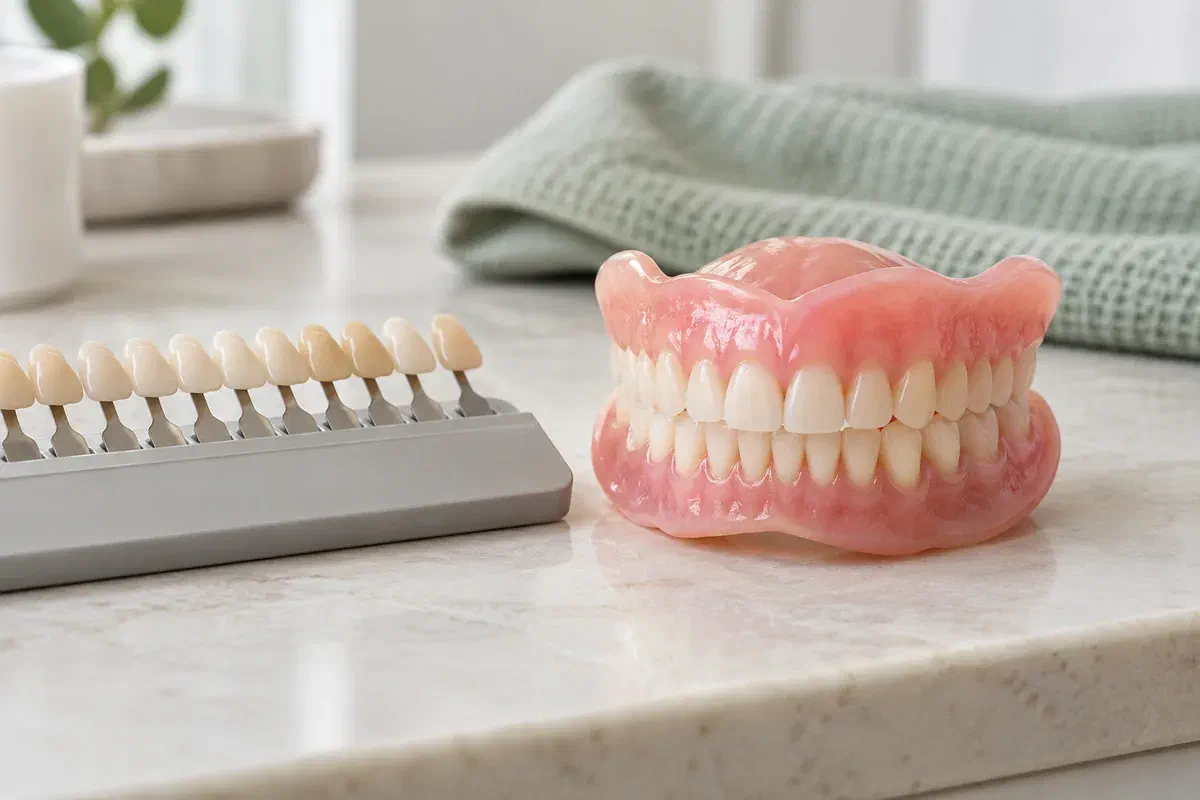
An appliance can stay wearable while important parts of it have changed. An assessment looks at the condition of the teeth and base, the health of your gums and supporting tissues, and the day-to-day problems you describe.
Looseness, worn surfaces and appearance changes often appear together. Tell us which one matters most so planning focuses on your priority rather than whatever sign of wear is most visible.
Repeated fixes can mean repeated trips. A denture with a long repair record deserves a broader look; ask whether another limited repair would genuinely extend its useful life.
Changes in your gums or remaining teeth, or new difficulty handling and cleaning the denture, can affect whether it still suits you. Mention these details even when they seem minor.
Dentures have no universal replacement schedule. Periodic examinations help decide whether ongoing use, maintenance or a new appliance is the better route.
A replacement can reconsider far more than a localized repair or reline, including tooth arrangement, worn surfaces and overall design. That broader scope helps when your examination reveals that several features no longer work for your mouth.
Keep expectations grounded. A new removable denture may feel different, and adjustments are common in the early weeks. It is an opportunity to improve on the old appliance, not a promise that it will feel like natural teeth.
Patient information: American College of Prosthodontists — denture replacement
List what you would keep from the old denture and what you would change. Clear notes save time and give a firm starting point for decisions about appearance, support and handling.
A fresh design can address several issues at once instead of working around old constraints. Ask how the examination findings shaped the proposal and which alternatives were considered.
Discuss the likely stages, fitting arrangements and reviews, along with work, travel and caregiving. Ask directly whether there could be any period without a usable denture.
Your sequence depends on the appliance and your oral health. Ask early how records, tooth selection, fitting checks and any preliminary treatment will be grouped, so you can plan travel and time away from work.
Bring the denture you use now, even if it hurts, and tell us its story. The dentist examines your mouth and separates concerns a replacement might address from those needing their own treatment.
We discuss whether repair or relining still makes sense and what a new appliance would change. You'll hear the scope, expected number of visits, costs and limits before choosing how to proceed.
Impressions or other records guide construction. Depending on the method, there may be a visit to review tooth appearance or try an intermediate stage before the final denture is completed.
The finished denture is assessed in your mouth and you are shown how to insert, remove and clean it. A follow-up is booked so concerns from everyday use can be addressed in a single, organised visit.
Adjusting to a new denture takes time, even for experienced wearers. Use the care advice given for your appliance, and let us know about specific problems rather than assuming they are something you must accept.
Ask for a demonstration of insertion and removal, especially if the design differs from your old one. Confirm suitable cleaners and storage, and mention any trouble with grip or eyesight before you leave.
Phone us about persistent pressure or movement so we can advise whether a visit is needed. For significant swelling, bleeding that won't stop, or a denture injury, seek prompt care nearer home rather than waiting to travel.
Keep the planned follow-up, even if the denture feels comfortable. Ask whether more adaptation advice would help, and continue regular oral examinations as part of long-term care.
A good replacement plan combines clinical findings with the realities of your schedule. These answers can help you prepare without assuming any design or timetable is already decided.
Book a consultation at our Bronte Street clinic to review an aging or uncomfortable denture and outline what replacement would involve. You'll leave knowing the likely stages and what to do between appointments.
Bring your current denture, your calendar, and a short list of the features you'd like to keep or change.
