Loose, worn and looking different
When movement, flattened teeth and a changed appearance appear at once, they may share a cause. Tell us which one troubles you most so the discussion is not steered only by whatever wear is easiest to see.


A denture that used to stay put and now slips is a puzzle: has the appliance changed, or has your mouth? Coming from Oakville, a denture replacement consultation helps answer that, and shows whether a reline, a repair or a new set is the more sensible next step.
Gums and the bone beneath them can gradually change shape after teeth are lost, while a denture stays the same size. Add worn biting surfaces or a small crack, and an appliance that once felt secure may start to lift, rub or click.
Not every loose denture needs replacing. A reline can renew the fitting surface when the teeth themselves are still in good order. A new denture becomes the stronger option when several problems overlap, such as worn teeth, damage and a poor fit, or when the design itself no longer works for you.
For people travelling up from Oakville, our Bronte Street team sets aside time to examine both the appliance and your mouth. We explain what is causing the change, whether a smaller fix is still reasonable, and what a new denture could and could not improve, so you can decide with the full picture.
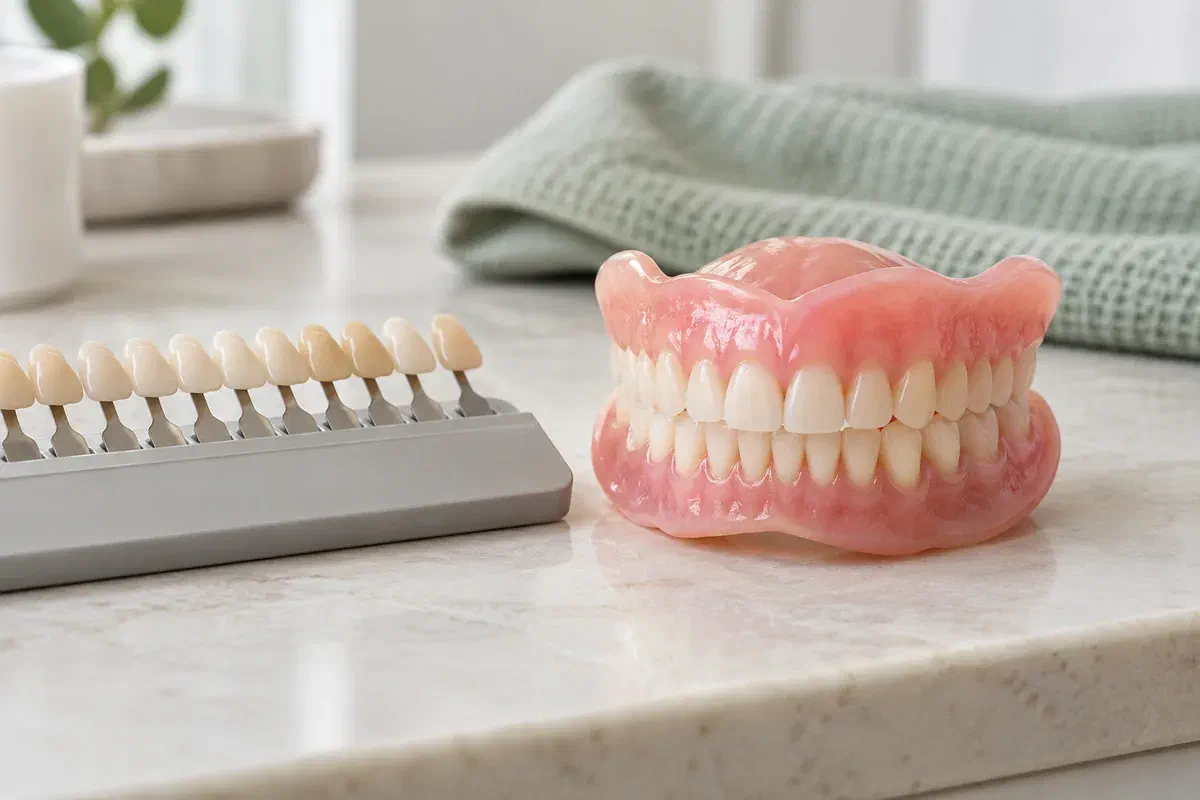
Looseness often travels with other changes you may have stopped noticing. Your assessment considers the teeth and base, the tissues supporting them, and the practical problems you run into each day.
When movement, flattened teeth and a changed appearance appear at once, they may share a cause. Tell us which one troubles you most so the discussion is not steered only by whatever wear is easiest to see.
If a reline or repair helped for a while and then the trouble returned, mention it. A history like that may point toward a broader review of the appliance rather than another short-term fix.
Food slipping underneath, new rubbing, or a harder time cleaning the denture can all reflect a changing fit. Note these even if they feel minor compared with how the denture looks.
Age alone does not decide when a denture should be replaced. An examination shows whether to keep wearing it, maintain it, or plan something new.
A reline mostly addresses the surface that rests on your gums. A new denture can also reconsider the teeth, how they meet, and the overall shape, which matters when the examination finds problems in more than one of those areas.
Clear expectations are part of good planning. Removable dentures have real limits, and a new set may feel unfamiliar and need fine-tuning in the weeks after fitting. It should be described as an improvement worth working toward, not a return to natural teeth.
Patient information: American College of Prosthodontists — denture replacement
Stability at meals, a natural look, easy cleaning: decide which of these comes first. Your ranking helps guide conversations about tooth choice, support and handling once the design is underway.
A fresh design can address several issues together instead of working around old compromises. Ask how your examination results led to the proposed design, and which alternatives were set aside and why.
Knowing the likely stages, fitting visits and review dates makes the change easier to organize. Mention work commitments, trips and caregiving, and ask whether there will be any time without a usable denture.
Every replacement follows its own path depending on the appliance and your oral health. Ask how records, choosing teeth, try-in checks and any earlier treatment will be sequenced in your case.
Wear or bring the denture you have, even if it hurts, and describe when the looseness or rubbing began. The dentist examines your mouth and sorts out what a new appliance might fix and what needs separate care.
You hear what each option would change, along with expected visits, costs and limits. Only after that comparison do you decide which approach suits what the examination found.
Impressions or other records guide construction of the new appliance. Depending on the method, there may be a chance to review the look of the teeth and try an intermediate version before completion.
We assess the finished denture in place and walk you through insertion, removal and cleaning. A follow-up visit lets us respond to anything that appears once you are eating and talking with it normally.
After a loose denture, a better-fitting one may feel tight or bulky for a while. Follow the advice for your particular appliance and tell us about specific discomfort instead of deciding you simply have to put up with it.
A closer fit can change how the denture seats and comes out. Ask us to show you, check which cleaning products are safe for it, and say so if grip or eyesight make the routine difficult.
Note the spots that feel sore and whether the denture moves with certain words or foods. Phone the clinic about problems that persist, and skip home fixes like filing or bending, so the fit can be checked properly.
One fitting appointment rarely covers everything. Come to the scheduled follow-up, ask for more adaptation tips if you need them, and keep up regular oral exams even when things feel settled.
The best replacement decisions combine what we see during the exam with what you notice at home. These answers can help you prepare without assuming the design or schedule is already set.
Book time at our Bronte Street practice to look at a denture that has started to slip, rub or wobble. We will check what is still sound and explain whether a reline, a repair or a new appliance fits best.
Bring the denture you wear now, and jot down when the looseness started and which foods or words make it worse.
