You are replacing an existing denture
Tell the clinician what you want to retain and what needs changing. Existing appliance information may be useful, but an old design should not be repeated without checking whether it still suits the mouth.

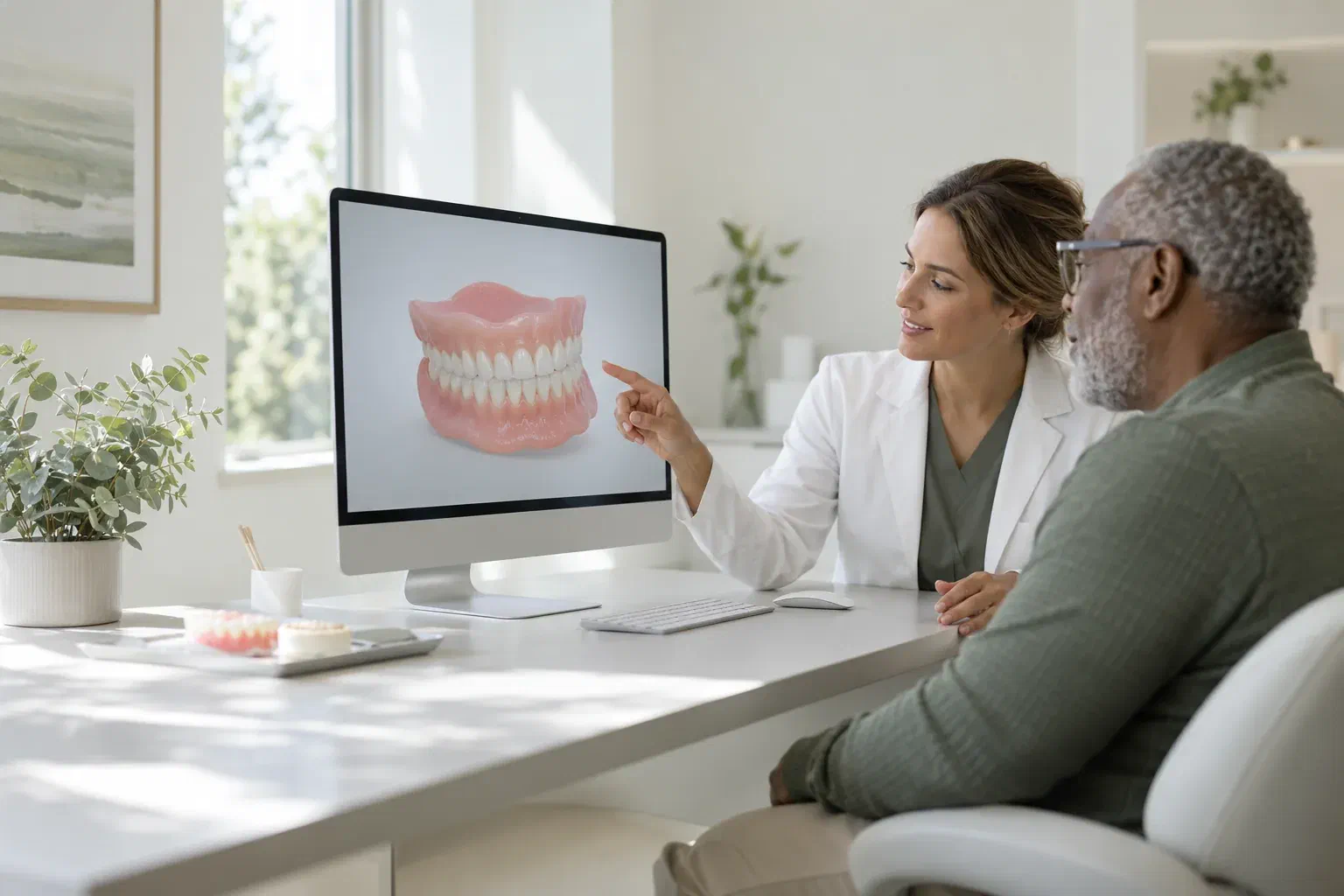
Digital denture planning brings computer-based design into the process of making an appliance for your mouth. Explore digital dentures in Milton and discuss how records, tooth arrangement, materials, and fitting checks work together.
Digital dentures use computer-based steps in their design or manufacture. The term can describe several different processes, including approaches that combine conventional clinical records with digital design and production. It does not mean that every appointment is digital or that an examination is replaced by a scan.
The essential questions remain familiar: how the appliance fits the supporting mouth, how the teeth meet, what appearance is appropriate, and whether you can use and care for it comfortably. A digital design needs suitable records and clinical checks to translate those requirements into a useful denture.
At Milton Dental Clinic, you can discuss whether a digital denture approach is relevant to your treatment needs. Ask which steps are proposed in your case, what material would be used, and how the fit will be verified. The value of the process should be explained through your care plan rather than through a technology label alone.
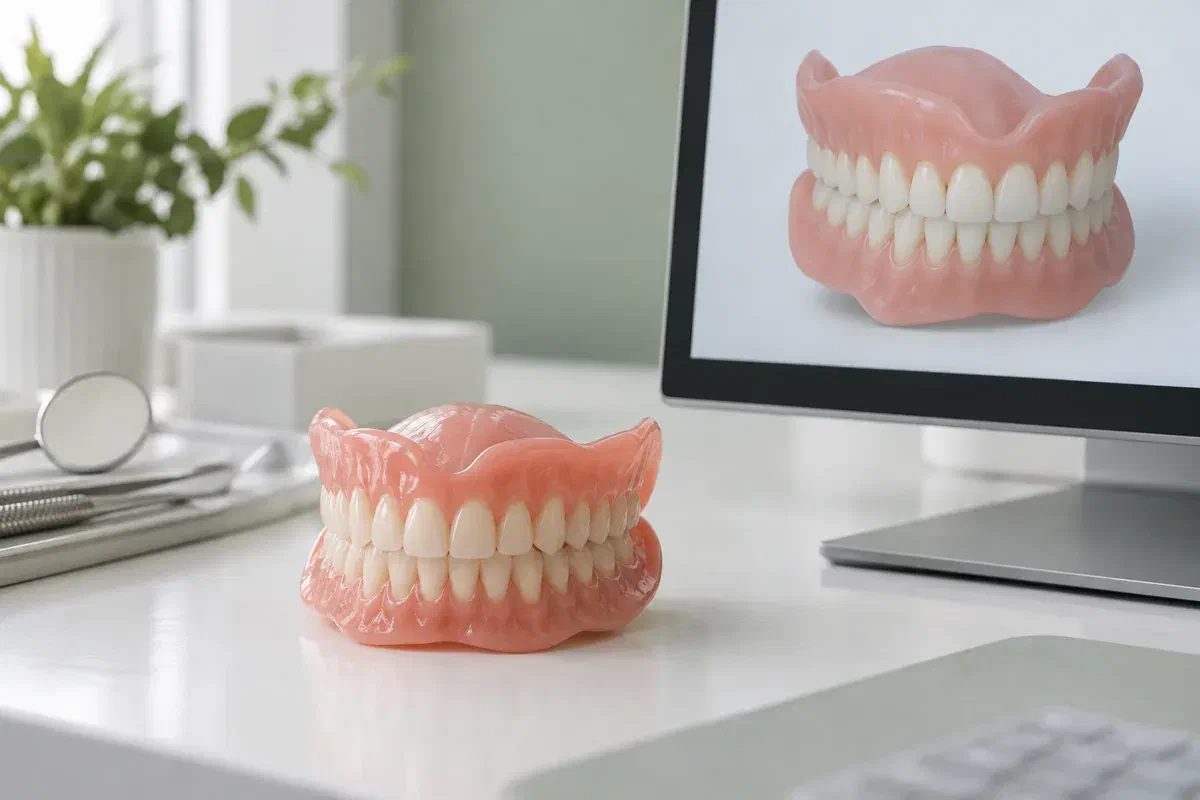
People consider digital dentures for different reasons. Your priorities may involve replacing a familiar set, understanding records and appointments, or comparing the practical features of available manufacturing approaches.
Tell the clinician what you want to retain and what needs changing. Existing appliance information may be useful, but an old design should not be repeated without checking whether it still suits the mouth.
Ask which records, fitting stages, and reviews are included in the proposed plan. Digital production does not establish a fixed number of visits or remove the need to assess the appliance clinically.
The way a denture is manufactured affects the questions to ask about its material and maintenance. Clarify repair and reline options for the actual appliance rather than assuming every digital denture is identical.
A computer image is a planning tool, not a guarantee of how a denture will feel or look in the mouth. Clinical assessment and fitting checks remain part of the process.
Computer-based design can help organize the proposed arrangement of denture components and communicate that information within the fabrication process. Depending on the system and plan, digital records may also be retained for future reference.
Those features are useful when they support an appropriate clinical result. They do not make every digital appliance better than every conventionally made one. Ask how the proposed process addresses your particular fit, appearance, and practical needs, and what evidence will be used to check the result.
Patient information: American College of Prosthodontists — clinical outcomes of digital dentures
Design information can provide a basis for conversations about tooth position and appearance. Ask when your preferences will be reviewed and how changes are assessed before the appliance is finalized.
The process should explain how information about the mouth and bite reaches the manufacturing stage. Understanding that connection helps distinguish the clinical decisions from the equipment used to carry them out.
Ask whether design files are retained and how they could inform a future repair or replacement. Updated examination and records may still be needed if the mouth or treatment requirements have changed.
The workflow varies by appliance and manufacturing method. Ask for an explanation of the proposed stages, including any conventional impressions, trial arrangements, laboratory work, and follow-up appointments.
The dentist reviews supporting tissues, any remaining teeth, and your current appliance if you have one. Your experience with eating, speaking, appearance, and handling helps establish the requirements for a new denture.
The plan may use impressions, scans, bite records, photographs, or a combination of methods. Ask why each record is needed and whether any existing denture information can contribute to the assessment.
Discuss tooth arrangement, appearance, and the available opportunities to evaluate an intermediate stage. The team should explain the manufacturing approach and how the proposed material relates to future care and repair.
The completed appliance is assessed in the mouth, with instructions for use and cleaning. Planned reviews allow pressure, contacts, or other concerns to be addressed after you have used it outside the clinic.
A digitally designed appliance still needs daily care and periodic examination. Ask for product and handling guidance specific to the finished denture, particularly if its material differs from your previous appliance.
Ask which brush, cleanser, soaking method, and storage conditions are appropriate. Do not assume that a product used on an older denture is suitable for every newer material or component.
Report pressure, movement, or a bite that feels uneven. A digital manufacturing process does not remove the need for assessment and possible adjustment when the appliance is used in daily life.
Ask what details about material and design should be kept with your dental records. If you later attend another clinic, that information may help the clinician understand repair options and the appliance's history.
Understanding the actual process makes it easier to compare options. These questions focus on records, appointments, materials, and what happens after the denture is delivered.
Arrange a consultation at our Bronte Street clinic to discuss denture design and the role digital methods may play. We can review your needs and explain the records, materials, and fitting stages relevant to the options.
Bring your existing denture if you have one, and tell us which features you would want to retain or change.
