It may be time for a new set
Tell the dentist what works and what does not with your present denture. It can serve as a reference for the new design, provided its fit and bite are checked against your mouth as it is now.

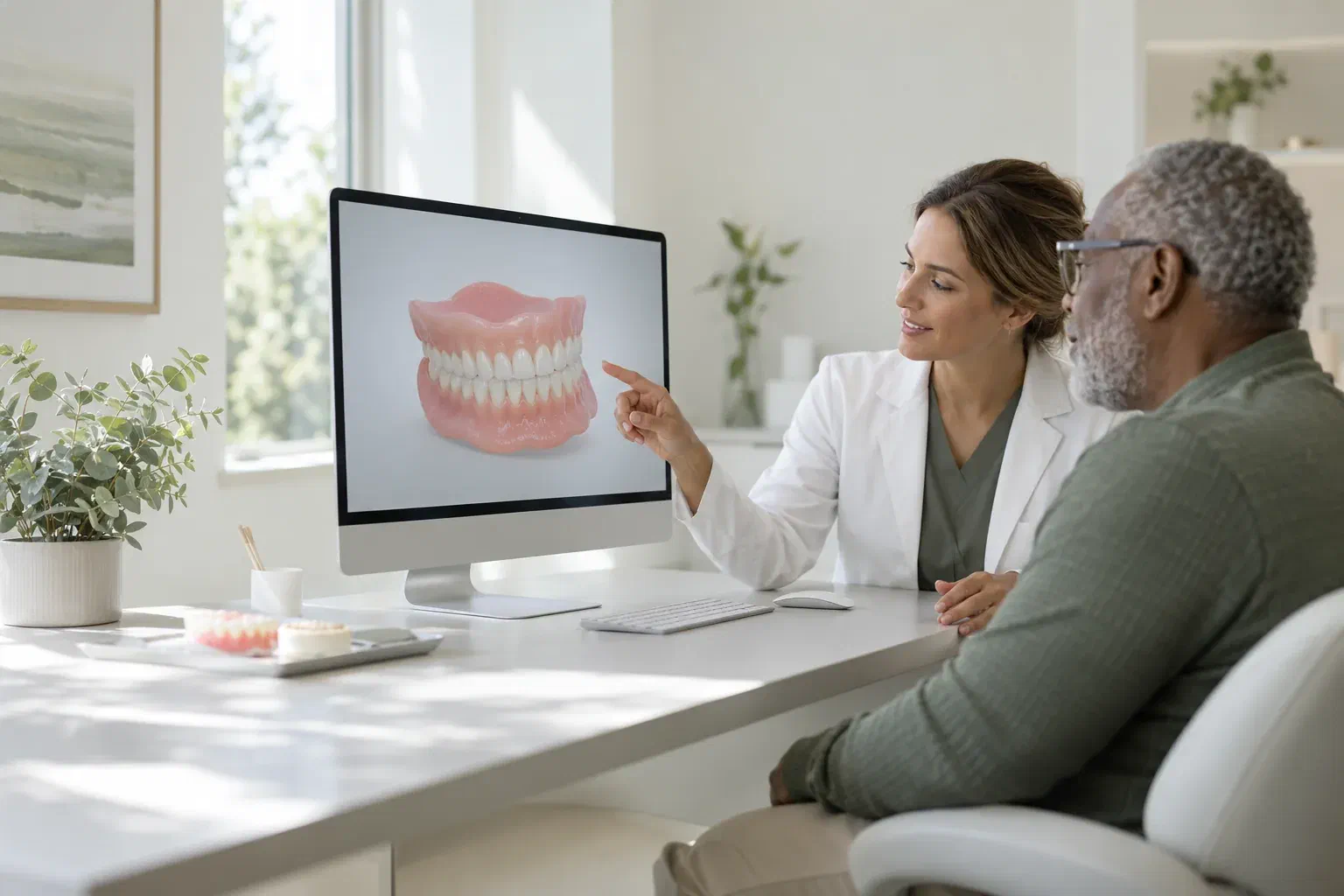
A friend’s new denture can make digital design sound like the obvious choice. For households across Caledon, this page explains why the right method depends on your own mouth, and what records, try-ins and fittings involve either way.
Word of mouth carries a lot of weight. Someone at a family dinner mentions that their new denture was designed on a computer and fits wonderfully, and it is natural to want the same. Their experience is real, but it reflects their mouth, their records and their plan, which may differ from yours in important ways.
Digital is a broad label for dentures that use computer-based design or manufacture somewhere in the process. Some are fully digital; others combine conventional impressions with digital design. In every case, the appliance has to suit the ridges and gums beneath it, meet evenly in the bite, look appropriate and be practical to handle and clean.
From Bolton or any of the villages across Caledon, you are welcome to bring that friend’s story to a consultation. We can examine your mouth, explain whether conventional, combined or digital steps suit you, describe the planned material and show how the fit would be confirmed.
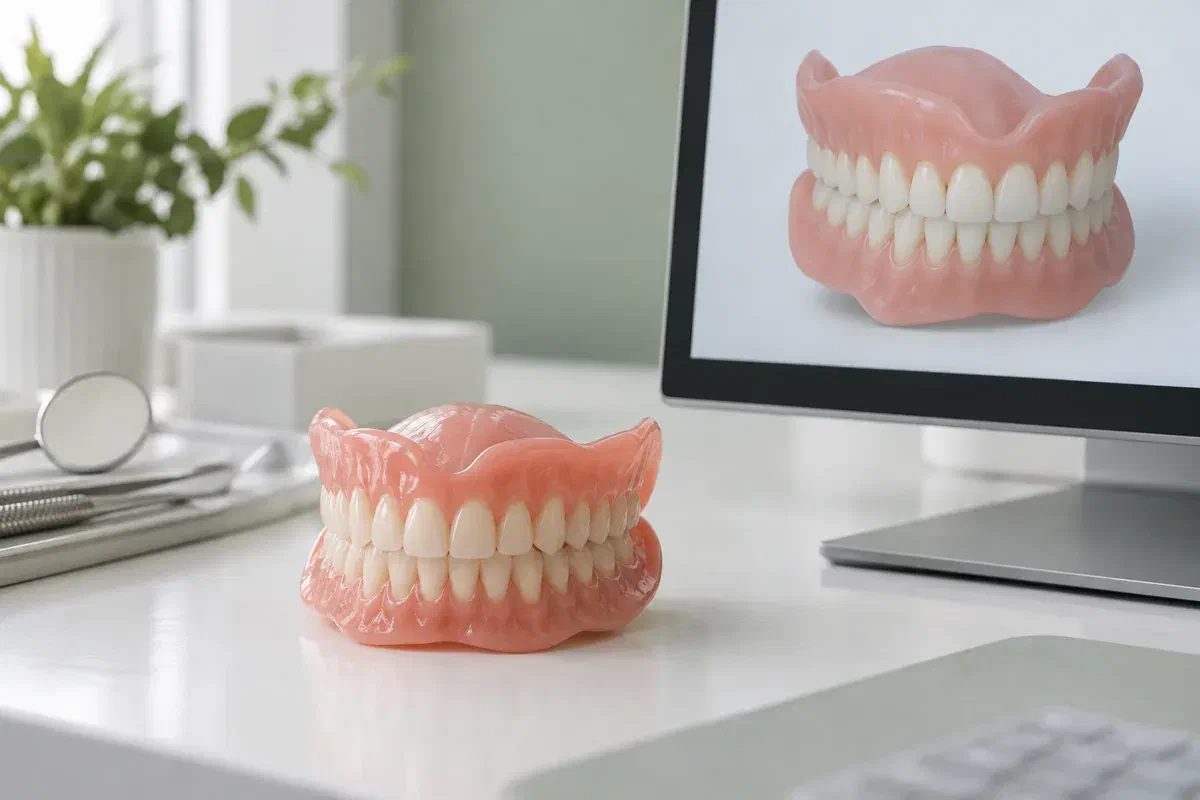
Hearing about someone else’s denture often prompts questions about your own. Most fall into three areas: replacing your current set, understanding the appointments and knowing how the material will be cared for.
Tell the dentist what works and what does not with your present denture. It can serve as a reference for the new design, provided its fit and bite are checked against your mouth as it is now.
Visit counts differ from person to person. Ask for your own outline of records, try-ins and reviews, since digital design does not guarantee a particular number and every denture needs checking in the mouth.
The material depends on the manufacturing method, which affects repair and relining. Ask about the appliance proposed for you rather than assuming it will match what someone else received.
Neither a friend’s experience nor an on-screen design can predict how your denture will feel. Clinical assessment and fitting appointments are how the result is checked.
Computer design can draw tooth arrangement, base and bite into one coordinated plan and pass it to manufacturing as a clear file. Some systems also store the design for reference.
Those advantages count when they serve your result. A digital denture is not, by definition, better than a carefully made conventional one, and what suited a friend may not suit you. Put the question to the dentist: how does the proposed approach handle your fit, appearance and practical needs, and what checks will confirm it?
Patient information: American College of Prosthodontists — clinical outcomes of digital dentures
A design lets you comment on tooth position and appearance with your own mouth in mind. Ask when it will be reviewed and how requested changes are assessed before completion.
Your records shape the design that guides manufacture. Understanding that flow separates the dentist’s clinical choices from the equipment that executes them.
Find out whether your design is stored and how it might help with a later repair or replacement. New records may still be required if your mouth changes.
Workflows vary, so your sequence may differ from a friend’s. Ask the dentist to outline your stages, such as conventional impressions, a trial denture, lab or digital production, and follow-up reviews.
The dentist examines your gums, ridges, any remaining teeth and current denture. How you manage meals, conversation, appearance and handling today defines the goals.
Impressions, scanning, bite records and photographs may be combined. Ask why each is chosen and whether your present denture can contribute.
You review the tooth arrangement and appearance, with a trial stage where possible, and hear which production method and material are proposed and what they mean for care.
The denture is fitted and explained. Follow-up visits address pressure, movement or contact issues once you have worn it at home.
Every denture needs daily cleaning and periodic examination. Ask for instructions specific to your finished appliance, as products and routines that suit a friend’s denture may not suit yours.
Ask which brush, cleanser and storage method to use. Products recommended for another person’s denture, or your own previous one, may not suit the new material.
Report pressure, slipping or an uneven bite. Adjustment is a normal part of settling in, regardless of how the denture was made.
Note the material and any design details the clinic suggests keeping. That information helps any future dentist understand your appliance and how to repair it.
These answers cover how to compare methods, what to ask, and what to expect from records, try-ins and reviews, whichever approach is recommended.
Come in to our Bronte Street practice to talk through which method suits you. After looking at your mouth and any denture you wear now, we will explain the proposed approach, material, trial stages and reviews, so you can decide with clear information.
Bring your current denture and any questions from friends’ experiences; we are happy to talk them through.
