You have been referred for an extraction
Ask what the referral is for and whether keeping the tooth was considered. Once removal is confirmed, the implant timing and who will place it can be discussed.


Removing a tooth, placing an implant and building the new crown can involve several clinicians. If you are coming from Rockwood, we explain who may be involved, how a same-visit implant is decided and how the team keeps your plan joined up from start to finish.
Implant treatment is rarely a one-person job. A general dentist may diagnose the problem and design the final crown, a surgeon or periodontist may remove the tooth and place the implant, and a dental laboratory makes the restoration. Understanding those roles makes the rest of the plan easier to follow.
Immediate placement is the surgical part of the story. The implant is set into the socket at the same appointment the tooth comes out. It does not include a final crown that day, and the tooth is not normally ready for full chewing straight away. Whether this timing suits you depends on the bone, the gum, the tooth’s position and the stability the implant can achieve, some of which is seen only after removal.
Our Bronte Street team can help you understand whether same-visit placement deserves consideration and when a specialist referral makes sense. The plan still begins with whether the tooth must go and which replacements are appropriate. Convenience matters, but it is weighed with those decisions rather than steering them.
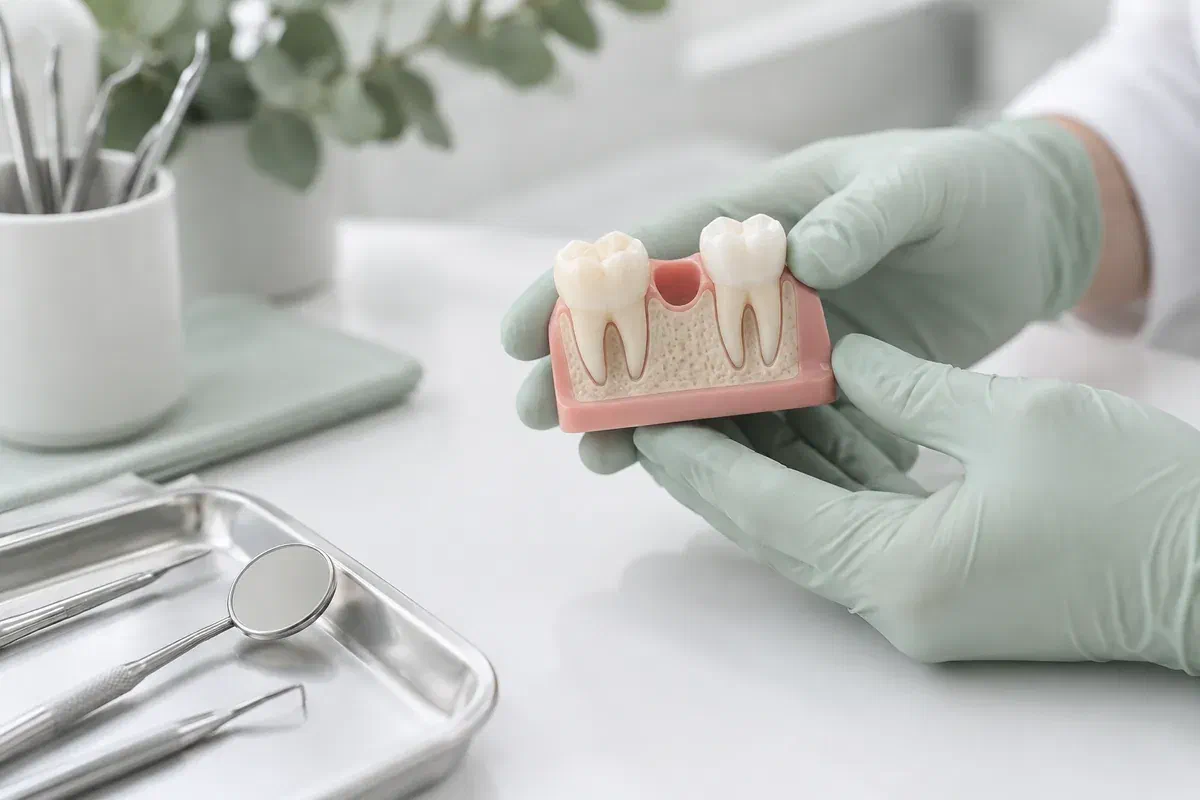
Clear roles help prevent gaps in care. Tell the team your priorities for appearance, visits and temporary teeth, and ask how those will be passed on to everyone involved.
Ask what the referral is for and whether keeping the tooth was considered. Once removal is confirmed, the implant timing and who will place it can be discussed.
The temporary tooth may be made by one clinician and fitted by another. Ask who is responsible for it, since an implant placed at extraction might not support a tooth right away.
Combining procedures can sometimes reduce surgeries, but more people involved can mean more appointments. Ask how the stages will be scheduled and what could add steps.
If the socket proves unsuitable once the tooth is out, the surgeon may follow a staged approach instead. Make sure everyone on the team, and you, has agreed on that alternative in advance.
When the site allows, putting the implant in at extraction can combine parts of the surgery. The implant still has to be placed where the future crown needs it, which is why the clinician who designs the restoration and the one who performs the surgery should agree on the target before the day.
Each route carries risks, including infection, an implant that does not integrate, changes to the gum and bone, and an appearance that differs from expectations. Ask how your health and habits affect the recommendation, and what staged or non-implant treatment would offer. A same-visit implant should be assessed on its merits; it is not a guarantee of a better result.
Patient information: International Team for Implantology — immediate placement and restoration selection
Records and planning shared between clinicians help place the implant where the crown will work best. It also gives you a chance to understand the sequence before anything permanent happens.
Find out what same-visit placement would add in your case and what might favour a pause. Consistent answers from the surgical and restorative sides are reassuring.
If immediate placement is unsuitable on the day, everyone should know the alternative. Cover the temporary, site care, reassessment and any change to cost or timing.
Responsibilities vary between practices and cases. Ask who leads each step below in your plan, and how notes, imaging and follow-up will be shared.
The examining clinician reviews the tooth, your health history and suitability for an implant. Imaging and other records help everyone see the site and nearby structures before timing is proposed.
The surgical and restorative clinicians agree on same-visit placement, later placement or non-implant options. Grafting, the temporary, risks, fees and the plan if the site differs are settled with you.
After removing the tooth, the surgeon checks whether the socket meets the requirements for the planned implant. It goes in only if appropriate; otherwise, the agreed alternative applies.
Follow-up confirms how the site is healing before the restorative clinician moves on. The temporary or final tooth is fitted when healing and the plan allow.
Postoperative guidance usually comes from the clinician who performed the surgery and reflects exactly what was done. Ask for it in writing and confirm who to contact if more than one office is involved.
Ask how to clean around the site and what pressure to avoid. A temporary may have its own restrictions, and comfort is not proof that the area can take normal chewing.
Raise allergies, current medicines and any confusion about prescriptions before you leave. Do not change regular medication or add treatments without advice.
Check which follow-ups are with the surgeon and which are with the restorative dentist. Report worsening symptoms, movement or other changes in your instructions promptly.
When several clinicians are involved, it helps to know who answers which questions. These replies cover the common ones.
Book a consultation at our Bronte Street practice to discuss removal, replacement and who might be involved. We will look at the tooth and your records, set out the timing choices in plain terms and arrange any further imaging or specialist input.
Bring any referral letters, X-rays or treatment plans, and let us know if an extraction has already been booked elsewhere.
