

Illustrative patient and dentist discussing a coordinated restorative care plan
Restorative Dentistry

Full-Mouth Rehabilitation

When several dental problems overlap, a coordinated plan can make the next steps clearer. Discuss full-mouth rehabilitation in Milton with attention to tooth health, missing teeth, the bite, appearance, and the practical stages of care.

A closer look at full-mouth rehabilitation

Bring the separate problems into one considered plan.

Full-mouth rehabilitation is a comprehensive approach to restoring a mouth with extensive or interconnected dental needs. It may involve repairing teeth, replacing missing teeth, and addressing the conditions that affect their function. The treatment combination comes from the diagnosis; the term does not prescribe the same procedures for everyone.

You may have a mixture of worn teeth, older restorations, gaps, and repeated breakages that have been managed separately over time. A broader assessment considers how those areas relate to one another. It also asks which teeth and restorations remain useful, rather than assuming every part of the mouth needs replacement.

At Milton Dental Clinic, we can help organize the starting information and discuss what a coordinated plan would involve. Complex care may require a prosthodontist or other specialists. You should understand who would provide each stage, the reasons behind the recommendations, and how decisions will be reviewed as treatment progresses.

Discuss a comprehensive assessment
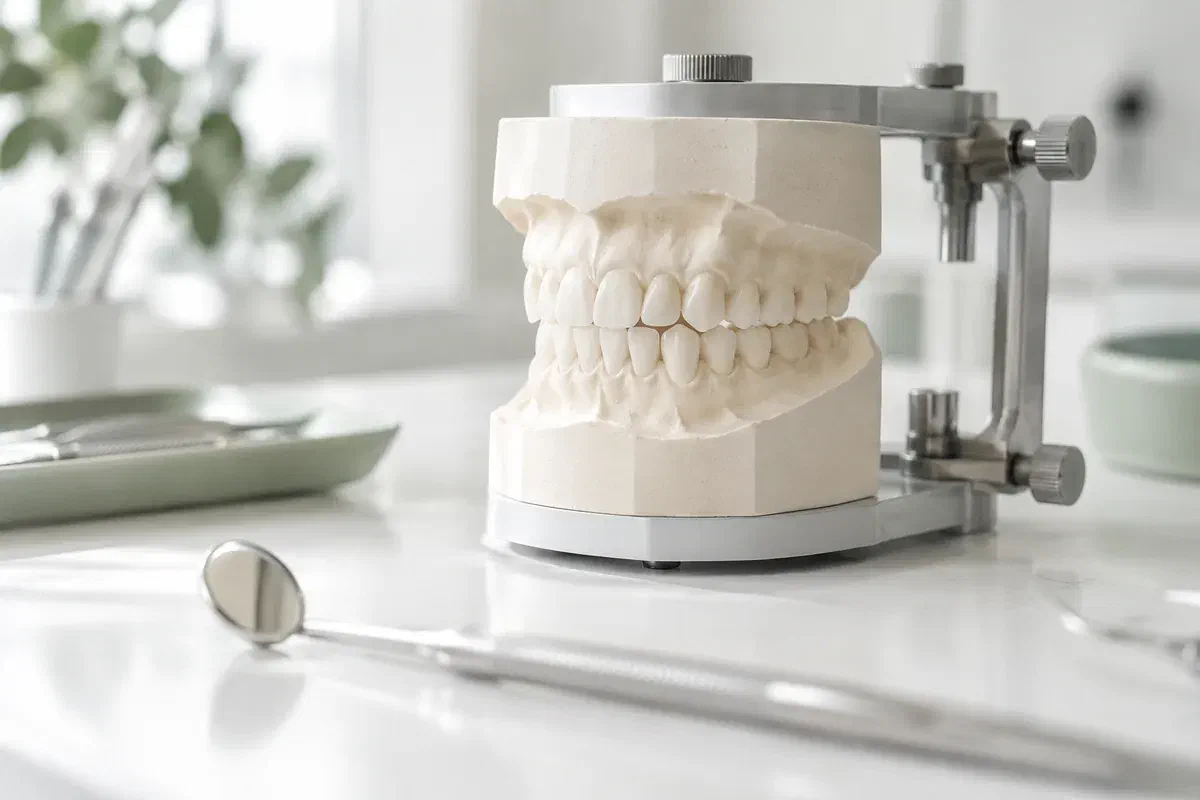
Upper and lower dental study models mounted in an articulator
When several concerns overlap

Look at the pattern before choosing the next repair.

A comprehensive assessment is useful when decisions about one area could affect another. Bring the history of previous treatment and explain which difficulties have the greatest effect on daily life.

Multiple teeth are worn or damaged

Repeated fractures, shortening teeth, or extensive restorations deserve consideration together. The assessment should explore the condition of the teeth and relevant causes before deciding how much reconstruction is appropriate.

Missing teeth affect the remaining arrangement

Replacing a gap may require thought about the surrounding teeth, available support, and opposing contacts. Ask how the proposed replacement fits with the longer-term outlook for the rest of the mouth.

Each new problem feels disconnected from the last

If treatment has become a sequence of urgent fixes, explain that history. A coordinated review can help distinguish immediate needs from decisions that require more records, specialist input, or a staged approach.

Pain or an urgent dental problem may need attention before a comprehensive plan is finished. Tell the team about current symptoms when arranging the assessment.

The purpose of comprehensive planning

Understand what needs care, in what order, and why.

The main value of rehabilitation planning is the relationship between its parts. A proposed restoration should make sense for the individual tooth and for the mouth around it. Reviewing the wider picture helps explain which decisions are linked and which can be made independently.

A useful plan also makes limitations visible. It should discuss uncertainty, alternatives, likely maintenance, and the consequences of delaying particular stages. Extensive treatment should not be presented as a guaranteed permanent solution or as the only response before less extensive choices have been considered.

Patient information: American College of Prosthodontists — full-mouth reconstruction

Separate priorities from preferences

Health and functional needs may have a different urgency from appearance changes. Ask the clinician to explain the purpose of each recommendation so you can understand which decisions affect immediate care and which allow more time.

Coordinate irreversible decisions

Removing teeth or changing tooth structure can influence later options. A comprehensive plan provides an opportunity to discuss those relationships before proceeding and to seek further opinions where useful.

Organize treatment around real circumstances

Appointments, healing intervals, cost, travel, and home care all affect what is practical. Discuss those constraints early so the proposed sequence is understandable and the responsibilities at each stage are clear.

Developing the rehabilitation plan

Build the understanding before the final restorations.

Comprehensive care is a process of assessment, planning, treatment, and review. The number of appointments and clinicians involved depends on the findings and the treatment you choose.

  1. Gather the history and examine the mouth

    Discuss symptoms, previous treatment, health factors, and your priorities. Appropriate imaging, photographs, and study records may help assess teeth, tissues, and the way the upper and lower teeth relate.

  2. Clarify diagnoses and compare approaches

    Review which teeth can reasonably be retained and what treatment each concern needs. Specialist input may be recommended. Ask for the proposed sequence, alternatives, risks, costs, and maintenance requirements in an understandable form.

  3. Provide preparatory care and review the response

    The plan may begin with controlling active problems or using interim restorations before definitive work. These stages can create opportunities to reassess the mouth and discuss how the proposed changes function.

  4. Complete agreed stages and establish maintenance

    Definitive treatment follows the agreed plan, with checks appropriate to each procedure. The team should explain what has been completed, what remains under review, and how future examinations and repairs will be managed.

Protecting the work over time

The care plan continues after the last fitting.

A rehabilitated mouth may contain different teeth, materials, and replacement components. Daily care and review need to reflect that combination rather than a single generic instruction.

Learn the routine for each area

Ask how to clean around natural teeth, bridges, implants, or removable appliances included in your plan. Have the team demonstrate difficult areas and explain any tools needed to make the routine manageable.

Address the factors linked to the original damage

If wear, decay risk, or other recurring factors were identified, understand the prevention plan. Restorations do not by themselves resolve every cause of the problems that led to rehabilitation.

Keep coordinated review appointments

Report new sensitivity, a changed bite, damaged material, or difficulty cleaning. Ask which clinician should assess a concern and how records will be shared if several practices are involved.

Choosing the extent of care

Comprehensive assessment does not mean identical treatment everywhere.

Different areas may need different solutions. The plan should explain why a combination is appropriate and how each proposed stage contributes to the overall aim.

When focused care addresses the current priorities

Stabilization and targeted treatment

Some concerns can be managed with prevention, repair, or limited treatment while other areas remain under review. Ask what this approach can achieve and which limitations or future decisions would remain.

When several teeth need related reconstruction

A coordinated restorative plan

Fillings, partial-coverage restorations, crowns, or other procedures may be combined when clinically appropriate. The choice should reflect the condition of each tooth and its role in the wider arrangement.

When missing teeth or complex needs change the scope

Replacement with specialist-supported planning

Bridges, dentures, or implant-related restorations may be considered alongside other care. Complex cases may require several disciplines, with clear coordination and discussion of the alternatives before treatment.

Questions about full-mouth rehabilitation

Make a complex plan easier to understand.

The questions below focus on scope, sequencing, and decision-making. The most useful answers will connect directly to your examination and the reasons behind each proposed procedure.

(905) 876-4488
Does full-mouth rehabilitation mean every tooth needs a crown?
No. The treatment should be based on the condition and needs of each area. Some teeth may need restoration, others replacement, and others only prevention or monitoring. Ask why each proposed procedure is included and what less extensive alternatives are relevant.
Is full-mouth rehabilitation the same as a cosmetic smile makeover?
Appearance can be part of the goal, but rehabilitation also considers dental health, function, and the relationships between treatments. Ask which recommendations address disease or structural needs and which primarily change appearance so their purposes are clear.
Can a comprehensive plan be completed in stages?
Often a sequence is needed, but the appropriate stages depend on clinical relationships, healing, and practical constraints. Discuss which work must occur first and what can wait. A staged plan should explain any temporary arrangements and the implications of delaying later treatment.
Will I need to see a prosthodontist or other specialists?
Complex rehabilitation may benefit from specialist assessment or coordinated care. The need depends on the diagnoses and proposed treatment. Ask who would lead the plan, who would perform each stage, and how follow-up responsibilities would be shared.
Why might temporary restorations be part of a larger rehabilitation?
Interim work can have a defined role while treatment progresses and may allow aspects of the proposed arrangement to be reviewed. Ask what the temporary stage is intended to assess, what its limitations are, and what findings are needed before proceeding.
What information should a written rehabilitation plan include?
Ask for the diagnoses, treatment aims, relevant alternatives, sequence, estimated costs, risks, and maintenance expectations. It should also identify uncertainties and the clinicians involved. You should have an opportunity to discuss those details before agreeing to extensive or irreversible work.
Full-mouth rehabilitation in Milton

Let’s make the next decisions part of a larger understanding.

Arrange a comprehensive assessment at our Bronte Street clinic to discuss overlapping dental concerns. We can review the starting point, identify priorities, and explain what further planning or specialist input may be appropriate.

Bring previous treatment information if available and a short list of the difficulties you most want the plan to address.

Visit Milton Dental Clinic
Unit 1, 342 Bronte St. S, Milton, ON L9T 5B7
Get directions Clinic hours
Monday–Thursday
11am–7pm
Friday–Sunday
By appointment only

How can we help?

Milton Dental Clinic

Have a question about your smile? Choose the option that works best for you.

For urgent dental concerns, please call.
Messages are reviewed during clinic hours.