Front teeth that are chipped or shortening
Visible wear may stem from grinding, acid or how the back teeth meet. Those causes should be understood before deciding whether bonding, veneers or more extensive restorations make sense.


Smiling with your lips closed, turning away in photos, hiding a gap with your hand. When appearance and dental health are tangled together, a full-mouth plan helps separate what looks wrong from what is wrong.
For many people, the first sign is social rather than physical. You keep your mouth closed at a birthday, avoid laughing openly or feel uneasy in a video call. Underneath may be a mix of darkened fillings, chipped front teeth, gaps or worn edges, and some of those changes affect more than looks.
Full-mouth rehabilitation is a coordinated way to restore a mouth with extensive or connected needs. Repairing damaged teeth, replacing missing ones and considering the bite can all be part of it. Appearance often improves along the way, but the plan is built on diagnosis, not on a standard cosmetic package.
If you are travelling from Acton, we will help gather your dental history, explain what we find and describe what a coordinated plan might include. A prosthodontist or other specialist may be involved in complex care. Before treatment, you should know who is responsible for each step, why it is recommended and when progress will be reviewed.
A broad assessment is valuable when the teeth you see and the ones you don’t are connected. Share your treatment history and say which concerns affect your confidence or comfort most.
Visible wear may stem from grinding, acid or how the back teeth meet. Those causes should be understood before deciding whether bonding, veneers or more extensive restorations make sense.
Missing teeth can let others move, affecting appearance and the bite. A replacement depends on surrounding teeth and support, so ask how each option would fit with the long-term health of the rest.
Discoloured fillings and dated crowns may be sound underneath or may hide problems. A full review clarifies which need attention now and which choices can wait for more records or a specialist view.
Pain, swelling or a recently broken tooth takes priority over appearance. Mention any symptoms when you book so they can be addressed first.
Cosmetic changes made in isolation can conflict with what the mouth actually needs. A veneer placed on a tooth that bears too much load, or a whitening plan that ignores failing fillings, may cause frustration later. Planning everything together means aesthetic choices are made on solid ground.
A sound plan also tells you its limits. It should cover uncertainty, alternatives, upkeep and what may happen if certain stages are postponed. Extensive treatment does not come with a promise of permanence, and it should not be offered as the only option before conservative ones have been considered.
Patient information: American College of Prosthodontists — full-mouth reconstruction
Health and function often need attention before appearance. Ask the dentist to say which items treat disease or structure and which are mainly cosmetic, so you can make each decision on its own merits.
Reducing tooth structure for veneers or crowns limits later options. A comprehensive plan gives you time to discuss that and to look at gentler alternatives or another opinion.
Your calendar, healing time, budget, travel and home care all affect the sequence. Raise them early so the plan is realistic and you know what each stage will ask of you.
Rehabilitation follows assessment, planning, active treatment and review. Visit numbers and who is involved depend on the examination and the choices you make.
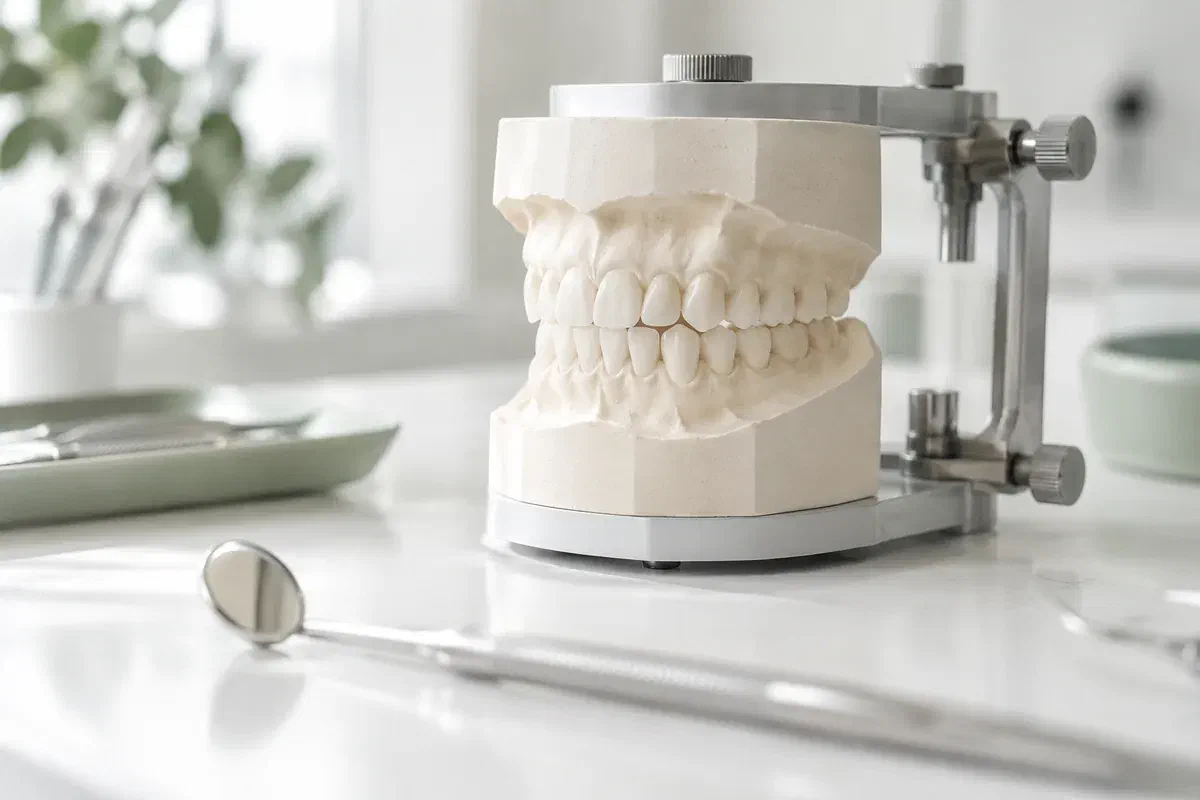
We talk about what bothers you, including appearance, along with symptoms, past treatment and health factors. Photos, X-rays and study models may help us assess the teeth, gums and bite.
We look at which teeth can reasonably be kept, what each problem requires and where a specialist might help. You should receive a written outline of order, alternatives, risks, costs and upkeep.
Initial care may address decay or gum concerns. Temporary restorations can sometimes preview the shape and length of teeth so you can comment before anything is final.
Permanent restorations are placed as agreed and checked for fit, bite and appearance. You should know what is finished, what is still monitored and how future visits and repairs will be handled.
A rebuilt mouth may mix natural teeth, several materials and replacement parts. Home care and recalls should reflect that combination, including advice on staining and wear.
Veneers, crowns, bridges, implants and removable appliances each need specific care. Ask for a demonstration of the tricky spots and suggestions for suitable brushes or floss aids.
If grinding, acid or decay contributed, follow the prevention advice. New restorations can chip or wear for the same reasons the original teeth did.
Tell us about new sensitivity, a different bite, chipped material or staining at the edges. Ask who should assess each issue and how information passes between practices.
These answers cover the balance between appearance and health. Your examination will supply the details, and every recommendation should come with its reasons.
Book a full review at our Bronte Street practice to talk through both appearance and the dental concerns underneath. We will look at your starting point, help set priorities and explain whether further planning or a specialist would help.
Photos of your smile from earlier years can be useful, along with any records and a note of what you would most like to change.
