Teeth worn down or repeatedly fractured
Chips that keep happening, shortening teeth and fillings that cover most of a tooth are best reviewed together. Finding the cause first helps decide how much rebuilding is really needed.


Big dental plans compete with rent, kids, work shifts and everything else. A coordinated rehabilitation plan sets out what must come first, what can be phased and how each step fits your budget and calendar.
Plenty of people put off dental work not because they don’t care, but because life is full. Shifts change, children need rides, relatives need help, and a large estimate gets folded into a drawer. Meanwhile, a broken tooth here and a missing tooth there start to affect one another.
Full-mouth rehabilitation is the coordinated restoration of a mouth with several overlapping problems. It can combine repairs, replacements and attention to how the teeth meet. The procedures are drawn from the diagnosis, not from a standard package, and sound teeth or restorations are kept wherever that is reasonable.
For people coming from Brampton, our job is to help you see the whole picture and then break it into manageable pieces. Some plans need a prosthodontist or other specialist, and we will tell you if that applies. You should know who would provide each phase, why it matters and when the plan will be looked at again.
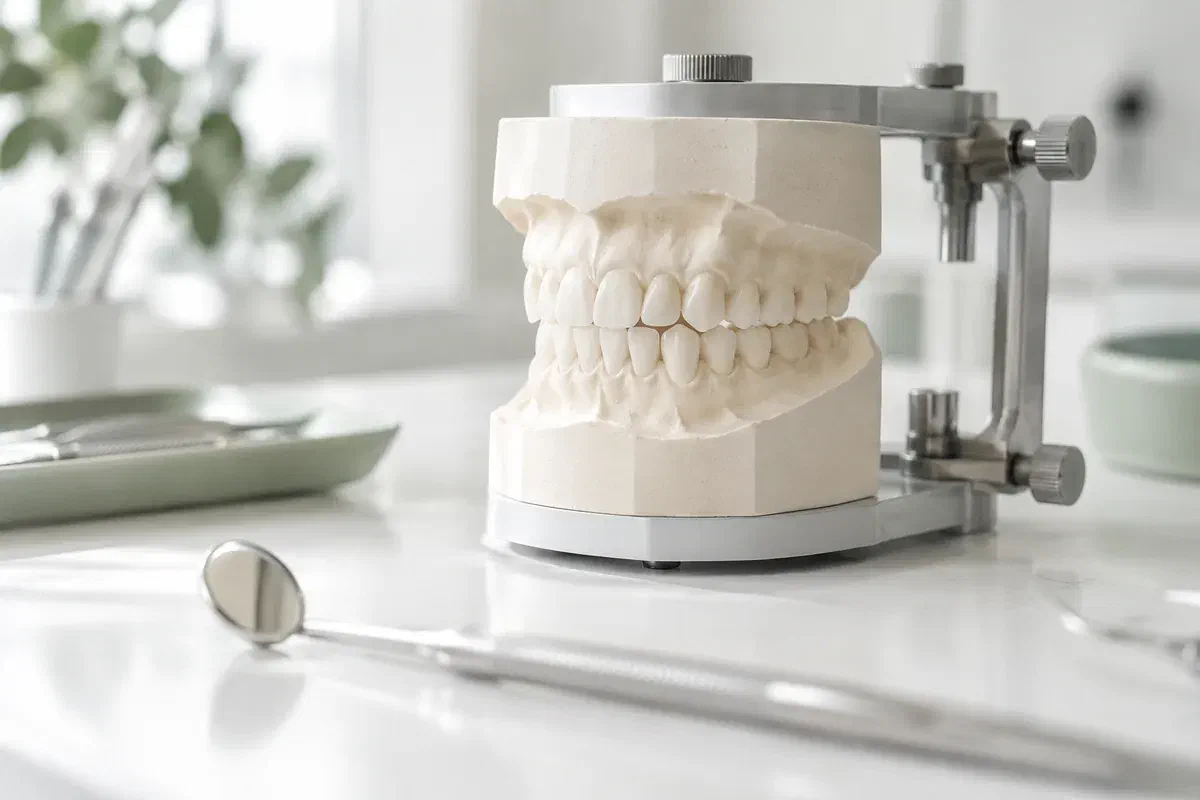
A wider review is worthwhile when fixing one area could influence options for another. Bring whatever treatment history you have and tell us which problems weigh on you most.
Chips that keep happening, shortening teeth and fillings that cover most of a tooth are best reviewed together. Finding the cause first helps decide how much rebuilding is really needed.
A long-standing gap can affect neighbouring teeth and the bite. Replacement depends on the support available and the opposite teeth, so ask how each option would suit the rest of your mouth over time.
If plans have been shelved because of cost or time, tell us. A fresh review can separate what really cannot wait from decisions that allow more records, a specialist view or a slower sequence.
Pain, swelling or a sudden break may need treatment ahead of the broader plan. Mention any symptoms when you contact us so we can make time for them.
The advantage of a coordinated plan is knowing how the parts relate. Some steps underpin others and should come early; some can be postponed with little consequence; a few are best done together. Understanding those links lets you phase care without undermining work already completed.
A sound plan is also upfront about what it cannot promise. It should explain uncertainty, alternatives, maintenance and what might change if a phase is delayed. Extensive treatment is not guaranteed to last forever, and it should not be pushed as the only path before more modest choices have been explained.
Patient information: American College of Prosthodontists — full-mouth reconstruction
Disease and function usually outrank cosmetic changes on the timeline. Have each item labelled by purpose, so you can tell where postponing carries risk and where it simply means waiting.
Extracting teeth or reshaping them for crowns may limit later choices. Planning gives you time to talk those consequences through and to seek another opinion before anything permanent.
Ask for estimated costs broken down by phase, alongside likely visit numbers and healing intervals. That makes it easier to budget, arrange time off and coordinate with family commitments.
Care moves from assessment to planning, then to treatment and review. How many visits and clinicians you need depends on the examination and the options you pick.
We discuss symptoms, past treatment, health and what you want to achieve. Imaging, photos and study models may be used to assess the teeth, gums and how the upper and lower teeth meet.
We look at which teeth can sensibly be kept and what each concern requires. Specialist input may be advised. You should receive the sequence, alternatives, risks, estimates and upkeep in a form you can share with family.
The opening phase often controls active problems, sometimes with provisional restorations. It also gives a natural checkpoint to review progress, budget and how the changes are working before going further.
Definitive work follows the agreed plan, with checks appropriate to each procedure. At the end of each phase, you should know what is complete, what is pending and how ongoing care will be handled.
A restored mouth can include natural teeth, different materials and replacement components. Home care and check-ups should suit that combination, not a one-size routine.
Bridges, implants, partial dentures and natural teeth all need attention in their own way. A short demonstration of the hard spots, plus the right aids, can make the routine easier to keep up.
Where grinding, frequent decay or another factor played a role, keep up with prevention. Restorations alone will not stop those causes from returning.
New sensitivity, a changed bite, damaged material or trouble cleaning should be reported. Ask which clinician handles each kind of concern and how records travel between offices.
These answers focus on pacing, budgeting and decisions. Your own examination will set the details, and every suggested step should be explained.
Schedule an assessment at our Bronte Street clinic and bring the concerns that have been waiting. We will review where things stand, help order the priorities and explain whether more planning or a specialist opinion would help.
Any previous estimates or records are helpful, along with a short list of what you most want the plan to address.
