Several damaged or heavily restored teeth
Fractures that recur, teeth getting shorter or restorations covering most of a tooth should be judged as a group. Identifying the cause comes before deciding how much rebuilding is warranted.


A long treatment estimate can raise more questions than it answers. A careful full-mouth assessment explains the diagnosis behind each item, the alternatives and the order that makes sense for you.
Some people come to us holding a printout with a dozen line items and a sense of unease. They are not sure what each code means, why certain teeth are included or whether there is another way. Wanting a clearer explanation, or a second opinion, before agreeing to extensive work is entirely reasonable.
Full-mouth rehabilitation is the term for restoring a mouth whose needs overlap: damaged teeth, missing teeth, worn surfaces and a bite that may have shifted. The procedures involved are chosen from the diagnosis. Two people with the same label can end up with very different plans, and some existing work may well stay.
For anyone travelling from Burlington, our part is to review records, examine carefully and explain what we see in plain terms. Complex situations may involve a prosthodontist or other specialist. You should come away knowing who would do each part, the reason for every recommendation and how the plan would be revisited.
A full assessment is most useful when treating one area may change what is possible in another. Bring any recent estimates, X-rays or notes, and tell us which problems affect you most.
Fractures that recur, teeth getting shorter or restorations covering most of a tooth should be judged as a group. Identifying the cause comes before deciding how much rebuilding is warranted.
Closing a gap depends on neighbouring teeth, the support beneath and how the opposite teeth meet it. Ask how each replacement option suits the outlook for the teeth you keep.
If the proposed work reads like a list rather than a story, ask for the connecting logic. A coordinated review separates urgent items from those that need more records, specialist input or a slower pace.
Pain or a recent break may need care before the broader discussion is complete. Mention current symptoms when you call so the visit can be planned around them.
A rehabilitation plan earns trust by showing how its parts depend on each other. Each restoration should suit its own tooth and the surrounding and opposing teeth. When the relationships are laid out, you can see which decisions are linked and which you are free to make on their own.
It should also be candid about limits. Look for discussion of uncertainty, alternatives, upkeep and what might happen if a stage is delayed. Extensive work is not a guaranteed permanent result, and it should not be presented as the only answer before less involved options have been explained.
Patient information: American College of Prosthodontists — full-mouth reconstruction
Treating disease or restoring function often has more urgency than cosmetic change. Ask for each line of the plan to carry a reason, so you can see which choices are pressing and which leave time.
Extracting teeth or reducing tooth structure can limit later possibilities. A full review lets you talk through those consequences beforehand and seek a further opinion if that would reassure you.
Number of visits, healing intervals, cost, commuting and home care all shape what is realistic. Raise these early so the sequence is practical and responsibilities at each stage are clear.
Comprehensive care moves through assessment, planning, treatment and review. The number of visits and clinicians depends on the findings and the approach you choose.
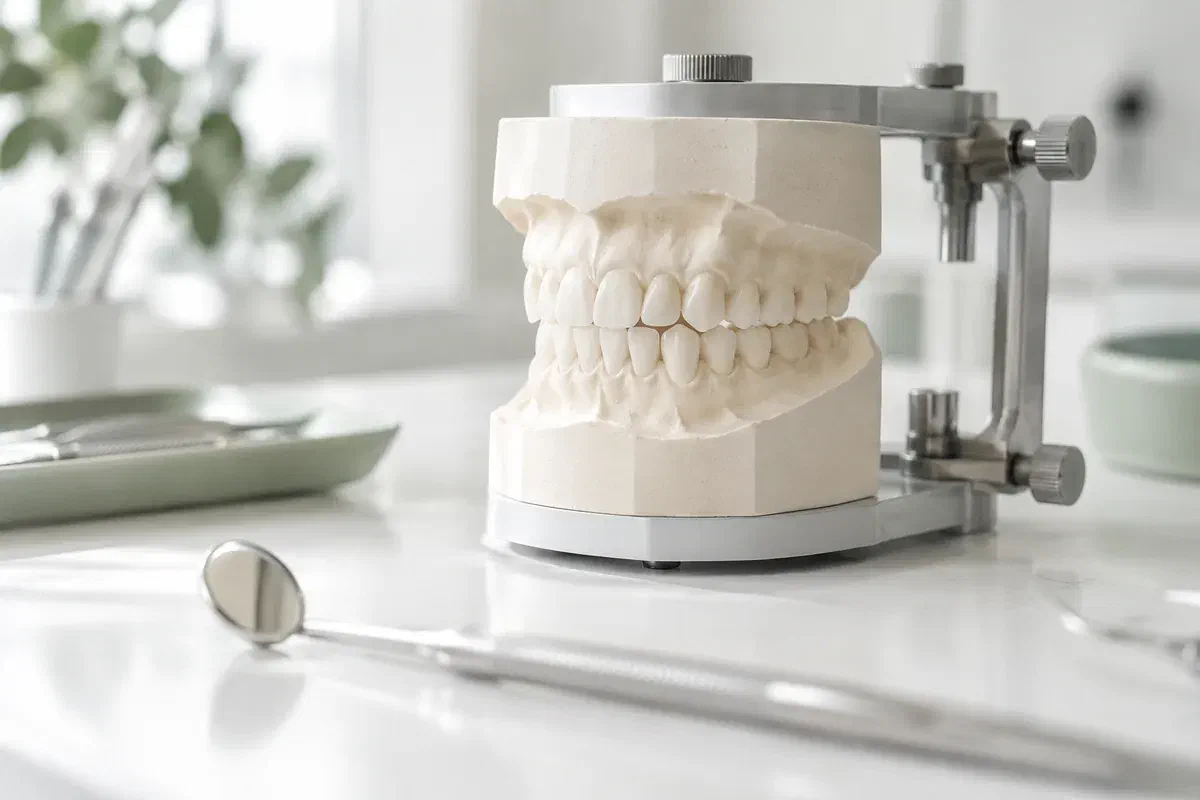
We look at previous estimates and records, discuss symptoms and health history and ask what you want from treatment. Imaging, photographs and study models may help assess the teeth, gums and how your jaws meet.
We discuss which teeth can reasonably be kept and what each concern requires. Where a specialist would help, we will explain why. Expect to leave with the sequence, options, risks, costs and maintenance in writing you can follow.
Early stages may treat active disease or place interim restorations before definitive work. This allows the plan to be checked against how your mouth responds and how proposed changes feel.
Definitive treatment follows the plan you approved, with checks appropriate to each procedure. Afterwards, the team should confirm what is complete, what is still monitored and how future exams and repairs will run.
After rehabilitation, your mouth may hold a mixture of natural teeth, different materials and replacement components. Your routine and reviews should reflect that specific mix.
Implants, bridges, removable appliances and natural teeth each need their own approach. Ask to be shown how to reach difficult areas and which aids would make your routine easier.
If wear, decay or another recurring issue contributed, make sure the prevention plan is clear to you. New restorations do not by themselves remove the reasons damage occurred.
Tell us about new sensitivity, a changed bite, damaged material or trouble cleaning. Ask which clinician should see each concern and how records are shared when more than one office is involved.
These answers address the doubts people often have after receiving a large proposal. Your own examination will shape the specifics.
Book time at our Bronte Street clinic to go through the plan you have or the concerns you are carrying. We will look at the starting point, help sort the priorities and explain where further planning or specialist input fits.
Previous estimates, records and a short list of the problems you most want solved all make the first visit more useful.
