Teeth that are cracking or losing structure
Fractures, worn edges and large old fillings may progress at different speeds. Examining them together, along with their causes, helps decide how much rebuilding is needed and how soon.


Putting dental work off is common, and sometimes reasonable. The trouble is knowing which problems can wait. A full-mouth assessment sorts the urgent from the postponable and shows how the pieces affect one another.
That question comes up often, and it is a fair one. Some dental problems stay stable for a long time. Others, like a cracked tooth or active decay under an old crown, can turn a manageable repair into a more involved one. Without a clear picture of the whole mouth, it is hard to tell which is which.
Full-mouth rehabilitation brings that picture into focus. It is a coordinated approach for mouths with extensive or overlapping needs, which might include repairs, replacements and attention to the bite. The diagnosis decides the treatment; the phrase itself does not commit you to any particular procedure or timeline.
From Bolton and the villages across Caledon, you can come to us to gather the history, have a thorough examination and hear an honest view of what is pressing. A prosthodontist or another specialist may be part of more complex care, and we will say so. Every stage, who provides it and when the plan will be revisited should be explained before you begin.
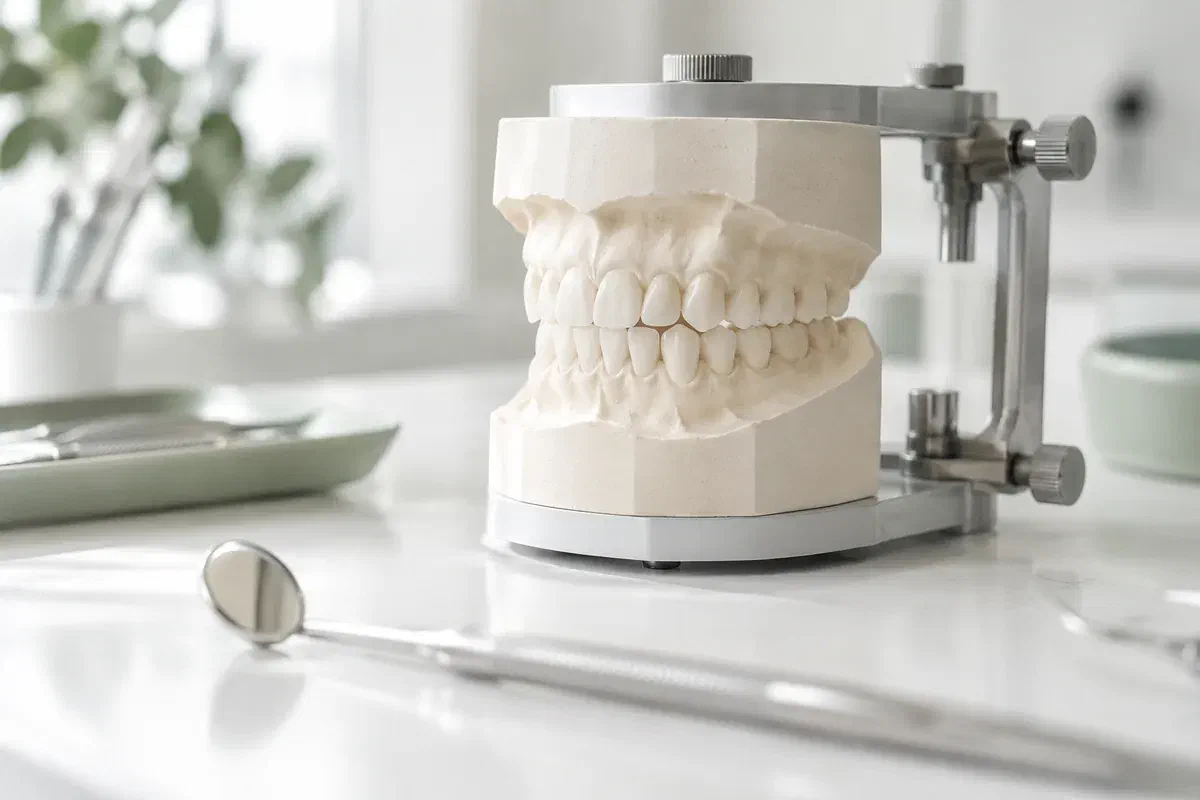
A combined assessment helps when delaying one area could change the options for another. Tell us about earlier dental work, what you have been putting off and which problems bother you most.
Fractures, worn edges and large old fillings may progress at different speeds. Examining them together, along with their causes, helps decide how much rebuilding is needed and how soon.
Neighbouring teeth can tip and opposing teeth can shift into a space. Replacement then depends on how far that has gone, so ask how each option fits what remains and what further delay might change.
Life gets busy, and that is understandable. Share the history openly. A review can sort what needs prompt attention from what can wait for more records, a specialist’s view or a gradual plan.
Pain, swelling or a freshly broken tooth should not be put off for the sake of the bigger plan. Let us know about symptoms when you contact us so the first visit can deal with them.
A comprehensive plan shows how decisions connect, and that includes decisions about timing. Some teeth underpin the rest of the plan and are worth treating early. Others can safely be monitored. Seeing the relationships makes it possible to postpone sensibly rather than by default.
Good planning also spells out what it cannot predict. It ought to cover uncertainty, alternatives, upkeep and the likely effect of deferring each stage. Extensive treatment is not a guaranteed permanent fix, and it should not be presented as the only answer before more conservative paths have been considered.
Patient information: American College of Prosthodontists — full-mouth reconstruction
Disease and loss of function usually carry more urgency than appearance. Ask for every recommendation to come with a reason and a sense of timing so you can judge what really cannot wait.
Removing teeth or cutting them down for crowns cannot be reversed. A comprehensive plan lets you discuss those steps without pressure and seek a further opinion if that would help.
Distance, work, farm or family commitments, healing time and cost all shape how fast treatment can move. Mention them at the start so the sequence is achievable.
Care moves through examination, a ranked proposal, treatment and ongoing review. The number of appointments and clinicians involved depends on what is found and what you choose.
We ask about symptoms, previous dental work, general health and what you want from treatment. Radiographs, photographs and models of the teeth may be used to look at the tissues and how your jaws meet.
We discuss which teeth have a reasonable outlook, what each issue needs and whether to involve a specialist. Expect a clear sequence with alternatives, risks, estimated costs, upkeep and the effect of waiting on each stage.
Early care focuses on pain, infection, active decay or teeth at risk, sometimes with interim restorations. Afterwards, the plan is reassessed based on how your mouth has responded.
Remaining treatment follows the agreed order, checked as each procedure requires. You should know what is done, what has been deliberately deferred and when those areas will be looked at again.
After treatment, your mouth may contain natural teeth alongside various materials and replacement pieces. Daily care and reviews should match that particular combination.
Implants, bridges, removable appliances and your own teeth each need their own approach. Ask for a demonstration of awkward spots and which cleaning aids make the job quicker.
Where grinding, frequent decay or acid exposure played a part, keep up with prevention. Restorations cannot on their own remove the reasons damage started.
Scheduling checkups in advance makes them easier to keep. Report new sensitivity, bite changes, chips or trouble cleaning, and ask which clinician to call for each issue and how records are shared.
These answers deal with urgency, delay and decision-making. Your own examination will decide the details for your mouth.
Book an appointment at our Bronte Street clinic to review the dental issues you have been putting off. We will look at where things stand, help rank the priorities and explain whether further planning or specialist input would be useful.
Bring any previous records you have, and jot down the dental jobs you have been meaning to get to.
