Illustrative patient and dentist discussing a coordinated restorative care plan
Restorative Dentistry

Full-Mouth Rehabilitation in Campbellville

A complex mouth can mean a dentist, a specialist, a lab and several appointments to keep straight. Full-mouth rehabilitation brings those threads into one plan, with a clear lead and a sequence you understand.

Coordinated care for Campbellville

Many hands, one plan

Picture three referral letters on the kitchen counter, each with a different office and a different set of instructions. Complex dental needs can easily drift into that kind of muddle, especially when home is out in the countryside and every trip has to be planned around work, chores and family.

Full-mouth rehabilitation is a coordinated approach for mouths with extensive or overlapping needs. Repairs, replacements and attention to the bite may all be part of it. Nothing is decided in advance: the examination determines the combination, and some teeth or restorations may need nothing more than monitoring.

Coming from Campbellville, you can rely on us to organize the starting information, explain the findings and describe what a joined-up plan would involve. When a prosthodontist or other specialist is needed, we will talk about who leads, who does what and how everyone stays informed. Reviews should be built into the plan from the start.

Ask how a coordinated plan works
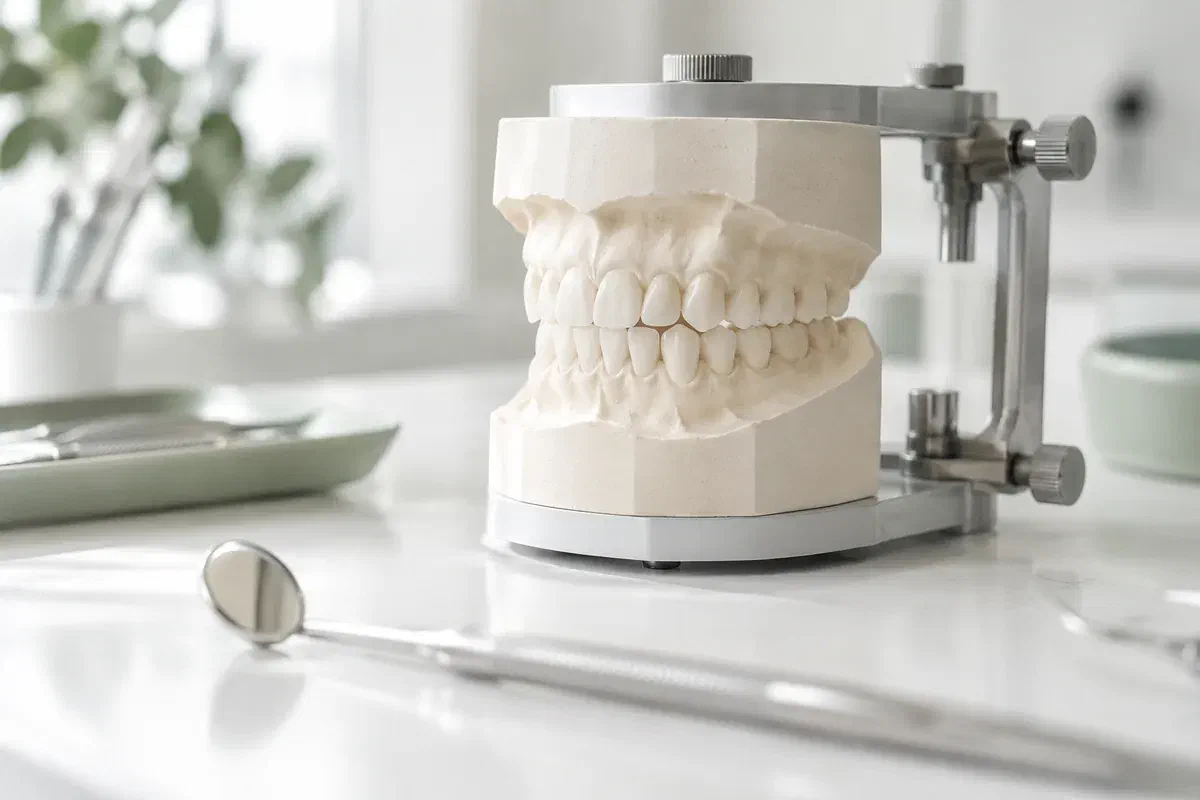
Upper and lower dental study models mounted in an articulator
Situations that call for coordination

Different problems, different clinicians, one mouth

A combined review helps whenever a choice in one area affects another, or when more than one practice is involved. Bring referral letters, past treatment notes and a sense of what bothers you most.

Broken or heavily restored teeth

Several teeth with fractures, wear or very large fillings are best evaluated together. Finding the reasons for the damage helps decide how much reconstruction is justified.


Replacements that need specialist input

Implants, extractions or gum treatment may require a surgeon or periodontist. Ask how the proposed replacement fits the outlook for the rest of your mouth and who is responsible for each part.

Advice from different offices that doesn’t line up

If recommendations have come from several places, bring them. A coordinated review can reconcile them and separate urgent needs from decisions that need more records or a staged approach.

Pain or a broken tooth may need treating before the overall plan is settled. Mention current symptoms when you call, as it may change how soon we see you.

The value of a single lead

Someone keeps the whole picture in view.

When several clinicians are involved, the risk is that each focuses on their own piece. A rehabilitation plan keeps the relationships visible: how a specialist’s work affects later restorations, which steps must wait for healing and which can proceed independently.

Planning should also be candid about limits. It should set out uncertainty, alternatives, upkeep and what could happen if a stage is put off. Extensive care is not guaranteed to be permanent, and it should not be the only recommendation before less involved options are explained.

Patient information: American College of Prosthodontists — full-mouth reconstruction

Priorities everyone agrees on

Health and function usually come ahead of cosmetic changes. When every clinician works from the same list of purposes, it is easier to see which decisions are urgent and which can wait.

Irreversible steps planned together

Extractions and tooth reduction affect what the next clinician can do. Coordinating those choices in advance gives you a chance to discuss them and ask for another view.

Trips grouped where possible

Rural households often juggle long days and limited free time. Mention your availability, healing intervals, cost and home-care needs early so appointments can be clustered sensibly.

How coordination works in practice

Who does what, and when

Comprehensive care runs from assessment to a written proposal, then to treatment and review. How many visits and offices you will deal with depends on your diagnosis and the options you choose, and that should be mapped out early.

  1. A full history and examination

    We discuss symptoms, previous work, medical history and goals, and review any letters from other offices. Imaging, photographs and study models may help assess the teeth, gums and bite.

  2. A shared diagnosis and proposal

    Together we decide which teeth have a reasonable future, what treatment each problem calls for and whether to involve a specialist. The lead clinician should provide the sequence, options, risks, costs and upkeep in writing.

  3. Stabilizing care across offices

    Initial stages may involve treating active disease, specialist procedures or interim restorations. Each office should report back so the plan can be reassessed before final work begins.

  4. Definitive treatment and shared follow-up

    Final restorations follow the agreed plan with appropriate checks. Afterward you should know what is complete, what each office is monitoring and who handles routine maintenance.

After the last appointment

Clear roles keep maintenance simple

A rehabilitated mouth may combine natural teeth with several materials and replacement parts, some placed by different clinicians. Daily care and reviews should reflect that.

A routine for each restoration type

Natural teeth, implants, bridges and removable appliances need different care. Ask to be shown the difficult areas and which aids help you keep them clean between visits.

Ongoing attention to root causes

If decay, grinding or gum problems contributed, keep up with prevention. Restorations alone do not deal with the reasons the damage first happened.

Knowing which office to call

Report sensitivity, bite changes, damaged material or difficulty cleaning. Keep a note of which clinician looks after which part, and how records move between practices.

Shaping the scope

The extent of care follows the findings

Each area of the mouth can need its own solution. The combination chosen should be explained, with each stage tied to the overall goal.

When a limited plan handles current priorities

Focused treatment, then review

Prevention, repair or targeted care may be enough for now, with other teeth reassessed at future visits. Ask what this achieves and which decisions are deferred.

When related damage affects a group of teeth

A restorative plan across several teeth

Fillings, onlays, crowns and other procedures may be brought together into one restorative project. The material and design for any tooth ought to reflect how much of it remains and the job it does in the bite.

When missing teeth or complexity enlarge the plan

Replacement with a specialist team

A bridge, a denture or an implant-retained tooth may sit alongside other care. Surgeons, periodontists or prosthodontists may be involved, and how they coordinate, plus the alternatives, should be discussed beforehand.

Campbellville questions about teamwork

Coordination, answered

These answers focus on how complex care is organized among clinicians. Your examination will settle the details.

(905) 876-4488
Who is in charge if several dentists are involved?
One clinician usually leads the overall plan and coordinates with others. That should be agreed before treatment starts. Ask who your main contact is and who makes decisions if the plan needs to change.
What does a prosthodontist do in a full-mouth plan?
A prosthodontist is a specialist in restoring and replacing teeth. In complex cases they may assess, plan or carry out parts of treatment. Whether you need one depends on your diagnosis and the work proposed.
Will my records be shared between offices?
With your consent, relevant records, images and findings are usually shared so each clinician works from the same information. Delays can happen if paperwork goes missing, so ask how this will be handled, how long it usually takes and whether you should keep copies yourself.
Can my regular dentist continue my routine care?
Often, yes. Routine checkups and cleanings may stay with your usual office while particular stages happen elsewhere. Make sure everyone knows who handles maintenance and who to contact for problems.
What if two clinicians disagree about part of my plan?
Differences of opinion happen in complex dentistry, often because more than one reasonable approach exists. Ask each clinician to explain their reasoning and the uncertainty involved, and request a joint discussion or a further opinion if needed before agreeing to irreversible work.
How can visits be grouped for a household out in the country?
Let us know your usual availability and any family members who also need appointments, since it can help to book them back to back. Some stages can be combined, while others need healing time. Ask which visits are flexible and which have to stay apart.
Book from Campbellville

Bring the referral letters and the questions

Arrange an appointment at our Bronte Street clinic to bring your dental concerns, and any advice you have received, into one place. We will review where things stand, set priorities with you and explain where specialist input fits.

Previous records, referral letters and a short note of the problems you most want resolved will help us make the most of your first visit.

Visit Milton Dental Clinic
Unit 1, 342 Bronte St. S, Milton, ON L9T 5B7
Get directions Clinic hours
Monday–Thursday
11am–7pm
Friday–Sunday
By appointment only

Areas we serve

  • Milton
  • Oakville
  • Mississauga
  • Georgetown
  • Halton Hills
  • Acton
  • Campbellville
  • Brampton
  • Burlington
  • Puslinch
  • Rockwood
  • Erin
  • Caledon
  • Etobicoke
  • Old Milton
  • Bronte Meadows
  • Timberlea
  • Dorset Park
  • Dempsey
  • Clarke
  • Beaty
  • Coates
  • Harrison
  • Scott
  • Willmott
  • Ford
  • Bowes
  • Cobden
  • Walker
  • Mountain View
  • Milton Heights
  • Hawthorne Village
  • Valley View
  • Fallingbrook
  • Nassagaweya
  • Trafalgar
  • Esquesing
  • Nelson
  • Brookville
  • Moffat
  • Glen Williams
  • Norval
  • Limehouse
  • Stewarttown
  • Ashgrove
  • Hornby
  • Silver Creek
  • Speyside
  • Scotch Block
  • North Oakville
  • River Oaks
  • Glen Abbey
  • West Oak Trails
  • Palermo
  • Bronte Creek
  • College Park
  • Joshua Creek
  • Uptown Core
  • Preserve
  • Iroquois Ridge
  • Lisgar
  • Meadowvale
  • Meadowvale Village
  • Churchill Meadows
  • Erin Mills
  • Central Erin Mills
  • Streetsville
  • East Credit
  • Creditview
  • Heartland
  • Sheridan
  • Mount Pleasant
  • Credit Valley
  • Huttonville
  • Churchville
  • Springbrook
  • Northwest Brampton
  • Bram West
  • Fletcher's Meadow
  • Fletcher's Creek South
  • Alton Village
  • Orchard
  • Millcroft
  • Headon Forest
  • Tansley
  • Brant Hills
  • Tyandaga
  • Kilbride
  • Lowville
  • Aberfoyle
  • Morriston
  • Arkell
  • Hillsburgh
  • Freelton
  • Carlisle
  • Waterdown
  • Flamborough
  • Mountsberg

How can we help?

Milton Dental Clinic

Have a question about your smile? Choose the option that works best for you.

For urgent dental concerns, please call.
Messages are reviewed during clinic hours.