Several worn, cracked or rebuilt teeth
When many teeth show damage or carry large restorations, they are best assessed together. Understanding why they broke down helps decide how much to rebuild and how to protect it afterwards.


The final appointment is not the end of a rehabilitation. What keeps the work healthy is the routine at your own sink, so a good plan is designed from the start with long-term upkeep in mind.
It is easy to focus on the moment new restorations go in. Yet the questions that matter most often come later: can you clean under that bridge, will the night guard actually get worn, and who do you call when something feels off in the middle of a busy season? Those answers shape how well the work holds up.
Full-mouth rehabilitation is the restoration of a mouth with extensive or interconnected needs, which may include damaged teeth, missing teeth and the way the bite comes together. The procedures chosen come from the diagnosis rather than a fixed menu. A well-designed plan also considers what you will realistically be able to maintain at home.
For people in Erin village, Hillsburgh and the surrounding countryside, we can help gather your history, explain what the examination shows and outline how a coordinated plan would work. Complex cases may bring in a prosthodontist or another specialist, in which case it should be clear who carries out each stage, the reasons for each recommendation and how the plan will be reviewed over time.
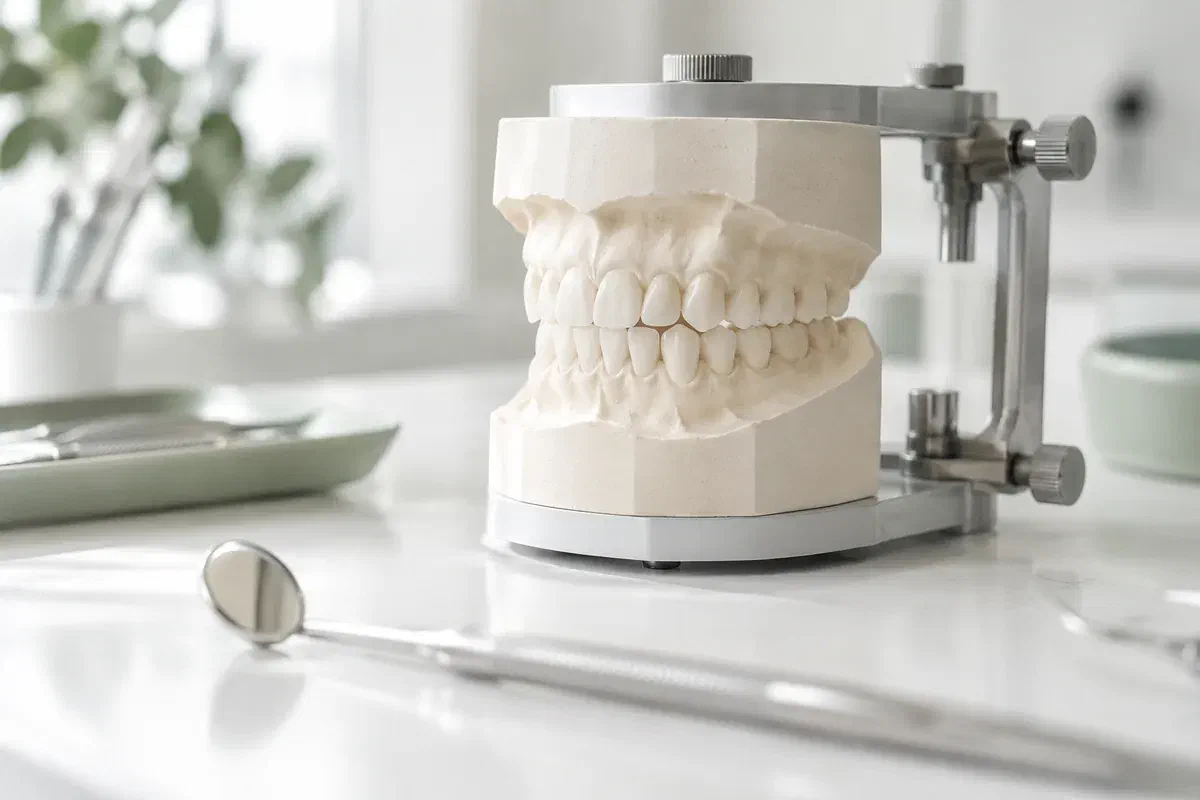
Looking at all the teeth together pays off whenever a choice in one area may alter the options in another. Share past treatment notes, and tell us which problems and which parts of your current routine are hardest.
When many teeth show damage or carry large restorations, they are best assessed together. Understanding why they broke down helps decide how much to rebuild and how to protect it afterwards.
Replacement choices depend on neighbouring teeth, support and the opposing bite, and each comes with different cleaning demands. Ask how an option suits both your remaining teeth and your daily routine.
If decay or breakage keeps coming back around older work, describe that pattern. A broad review can separate pressing needs from questions that call for further records, a specialist’s view or a phased approach.
Toothache, swelling or a newly broken tooth may need treatment before the full plan is ready. Please mention any symptoms when you call, and let us know if you would like advice before making the drive.
A rehabilitation plan connects decisions that might otherwise be made in isolation. Every restoration has to suit its own tooth and the teeth around and opposite it. It also has to be something you can keep clean. Considering both at the outset avoids choices that look good on paper but are hard to maintain.
Honest planning is clear about uncertainty. It should cover the alternatives, expected maintenance and what could happen if a stage is postponed. No extensive work is a guaranteed lifetime solution, and the biggest option should not be offered as the only one before simpler choices are discussed.
Patient information: American College of Prosthodontists — full-mouth reconstruction
Treating disease and restoring function usually takes priority over cosmetic improvements. Ask for the reason behind each recommendation so you can tell which decisions are urgent and which leave room to think.
Extracting a tooth or removing structure for a crown limits later options. Talk those consequences through before agreeing, and seek another opinion if you would find it helpful.
Appointment frequency, healing intervals, cost, travel from north of Milton and the time you have for home care all matter. Raise them early so the plan is practical and each person knows their part.
Care moves through an examination, a proposal, active treatment and an ongoing maintenance phase. How many visits and clinicians you need depends on your findings and choices.
We ask about symptoms, previous dental work, health and what you hope to achieve, and also about your current cleaning habits. X-rays, photographs and models of your teeth may be used to assess the bite and tissues.
We look at which teeth have a reasonable future and what each concern needs, and discuss whether a specialist should be involved. You should receive the sequence, alternatives, risks, estimates and upkeep demands in clear terms.
Early care often controls active disease and may use interim restorations. It is also a good time to try new cleaning aids and see what works before final restorations are in place.
Definitive work follows the plan, checked as appropriate for each procedure. Before you finish, you should understand what is complete, what remains under observation and how often you will be seen.
After treatment, your own teeth may sit beside porcelain, composite, metal or implant parts. Cleaning and recall visits should be tailored to that mix, and the routine should be one you can keep up.
Floss threaders, interdental brushes, water flossers and denture brushes each have a role. Ask the team to watch you clean the hardest spots and suggest adjustments that make the routine easier.
If grinding, a high decay risk or acid exposure contributed to the original damage, carry on with the prevention plan. Restorations by themselves will not stop those factors.
Call about new sensitivity, a bite that feels different, chipped material or food trapping. Ask which clinician to contact for each type of problem and how records are kept in step between offices.
These answers focus on what happens once the work is in place. Your own examination will set the details, and every recommendation should come with its reasons.
Make an appointment at our Bronte Street practice to discuss overlapping dental problems and what you can realistically maintain. We will look at the starting point, help sort out priorities and explain where more planning or specialist input could help.
Bring any previous records and a few notes on your current cleaning routine and the problems you most want to fix.
