Damage spread across many teeth
Repeated breaks, teeth wearing shorter and very large restorations should be considered as a group. Learning what is causing the damage guides how extensive any reconstruction should be.


Complex dental care involves several stages, and a longer trip makes every visit count. A coordinated rehabilitation plan groups work sensibly, explains each phase and prepares you for anything that comes up between appointments.
When the trip to the dentist takes a real piece of your day, scattered one-off visits quickly lose their appeal. That is one practical reason to step back and plan the mouth as a whole: it lets us group compatible work, reduce repeat trips and set expectations for what happens between them.
Full-mouth rehabilitation means restoring a mouth with extensive or linked needs. It can bring together repairs to damaged teeth, replacement of missing ones and attention to the bite and other factors that affect how the teeth work. The mix comes from your diagnosis; no two plans need to look alike.
Our part is to help you organize the starting information and explain what a coordinated plan would involve. Complex treatment may include a prosthodontist or other specialist. Before you begin, you should understand who would provide each stage, why it is advised and how progress will be checked.
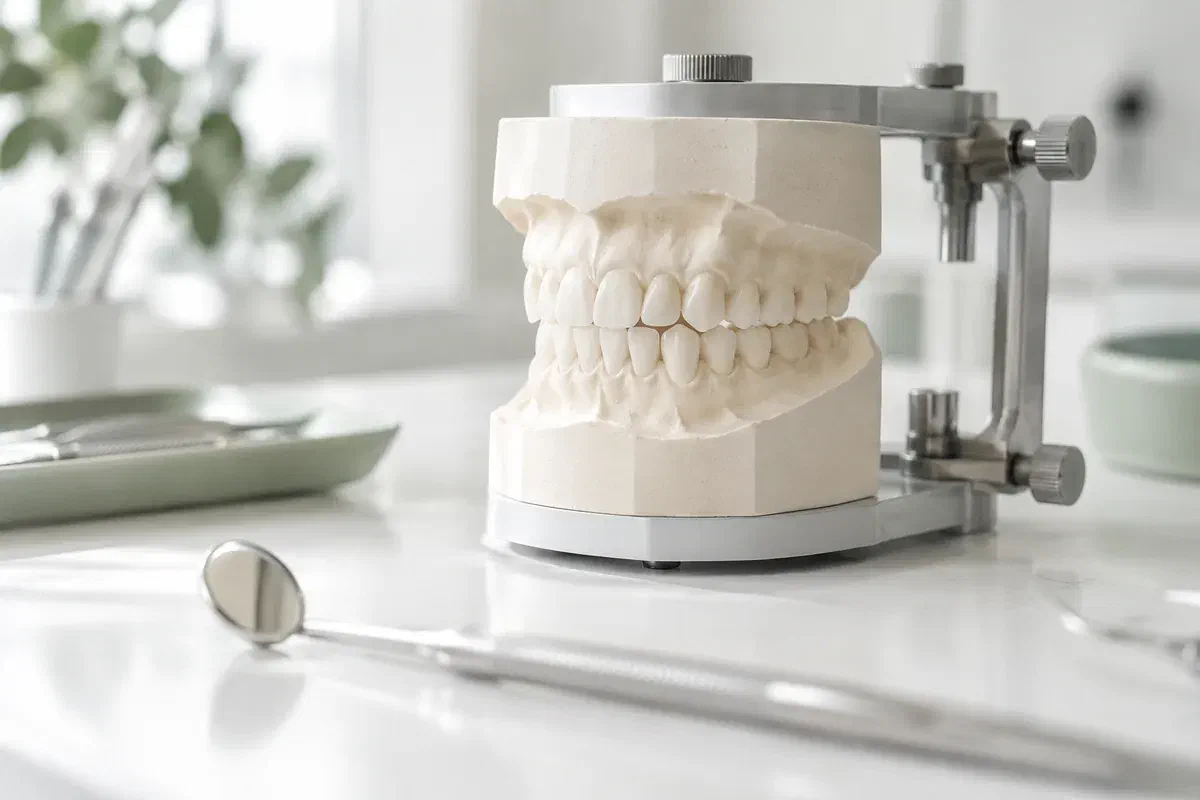
A comprehensive look is useful when decisions in one area could affect another. Share your previous treatment history and the problems that disrupt your routine most.
Repeated breaks, teeth wearing shorter and very large restorations should be considered as a group. Learning what is causing the damage guides how extensive any reconstruction should be.
A replacement has to work with the adjacent teeth, the support underneath and the teeth it bites against. Ask how each choice would fit the long-term outlook for the rest of your mouth.
If most of your recent care has been emergency fixes, tell us. Reviewing the overall picture helps separate immediate needs from steps that require further records, specialist advice or staging.
Severe pain, swelling or trauma should not wait for a long drive. Seek care closer to home or emergency services if needed, and let us know about current symptoms when you book.
A rehabilitation plan shows how separate procedures depend on one another. Once those relationships are clear, it becomes easier to combine compatible steps in one appointment and to space out the ones that need healing time. Each restoration should suit its own tooth and the teeth around and opposite it.
Just as important, good planning admits what it does not know. It should cover uncertainty, alternatives, upkeep and the effects of delaying a stage. Extensive work does not carry a permanent guarantee, and it should not be the first offer before simpler routes have been discussed.
Patient information: American College of Prosthodontists — full-mouth reconstruction
Treatment for disease or function may need to happen sooner than cosmetic work. Knowing the purpose of each step helps you decide which ones justify a trip soon and which can be grouped later.
Extractions and tooth reduction can limit future choices. Planning lets you weigh those effects ahead of time and get a further opinion if that would help.
Distance, work, healing intervals, cost and home care all affect what is practical. Raise them at the first visit so the sequence is realistic and you know what to do between appointments.
Comprehensive care runs through assessment, planning, treatment and review. Visit counts and the clinicians involved vary with your findings and the approach you choose.
We talk about symptoms, earlier treatment, health and priorities, and gather what we can in a single visit. X-rays, photographs and study models may help assess teeth, gums and how the jaws meet.
We discuss which teeth can sensibly be kept and what each concern needs. If a specialist is needed, we will say so. Take home a written copy of the sequence, alternatives, risks, estimated costs and maintenance.
Early stages may control active problems or use interim restorations. Where it is safe, compatible steps can be combined. These visits also allow the plan to be adjusted based on how your mouth responds.
Definitive treatment follows what was agreed, with checks suited to each procedure. You should know what is finished, what is still being monitored and where to go for routine and urgent care afterwards.
A rehabilitated mouth may combine natural teeth, various materials and replacement parts. Home care and reviews should be tailored to that mix, with a clear plan for problems that arise far from the clinic.
Implants, bridges, removable appliances and natural teeth each need their own cleaning approach. Ask for a demonstration at your visit so you are comfortable managing difficult areas on your own.
If wear, decay or another recurring issue contributed, keep up with the prevention advice. Restorations do not on their own remove the causes that led to rehabilitation.
Report new sensitivity, a changed bite, broken material or trouble cleaning. Ask which concerns can wait for a scheduled visit, which warrant a call first and when nearer urgent care makes sense.
These answers address scope, sequencing and the practical side of travelling for treatment. Your examination will set the specifics.
Set up a comprehensive appointment at our Bronte Street office to discuss your overlapping concerns. We will assess where things stand, agree on priorities and explain how visits can be grouped and when specialist input might help.
Bring any treatment records you have, the days you can most easily travel and a note of what you most want resolved.
