Flattened, thinned or chipped edges
When many teeth are shortening or breaking, the causes may include grinding, acid erosion or bite changes. Understanding the reason comes before deciding how much to rebuild and with what material.


Front teeth that look shorter, edges that chip, a bite that no longer feels the way it used to. When wear has crept across the whole mouth, a coordinated plan looks at causes first and repairs second.
Wear rarely announces itself. It shows up in a photograph where your front teeth seem shorter, a partner mentioning night-time grinding, or a chip off an edge that used to be smooth. By the time several teeth are affected, the bite itself may have shifted, and patching one tooth at a time stops making sense.
Full-mouth rehabilitation looks at the mouth as a connected system. Treatment might include rebuilding worn or broken teeth, replacing missing ones and considering how the upper and lower teeth meet. What is needed depends entirely on the diagnosis; the label does not commit anyone to a set list of procedures.
From Georgetown, Acton, Glen Williams or a smaller hamlet anywhere in Halton Hills, you can come to us to gather the background and talk through what a planned approach would involve. A prosthodontist or other specialist may join more complex cases. Each stage, who performs it and how it will be reviewed should be clear from the outset.
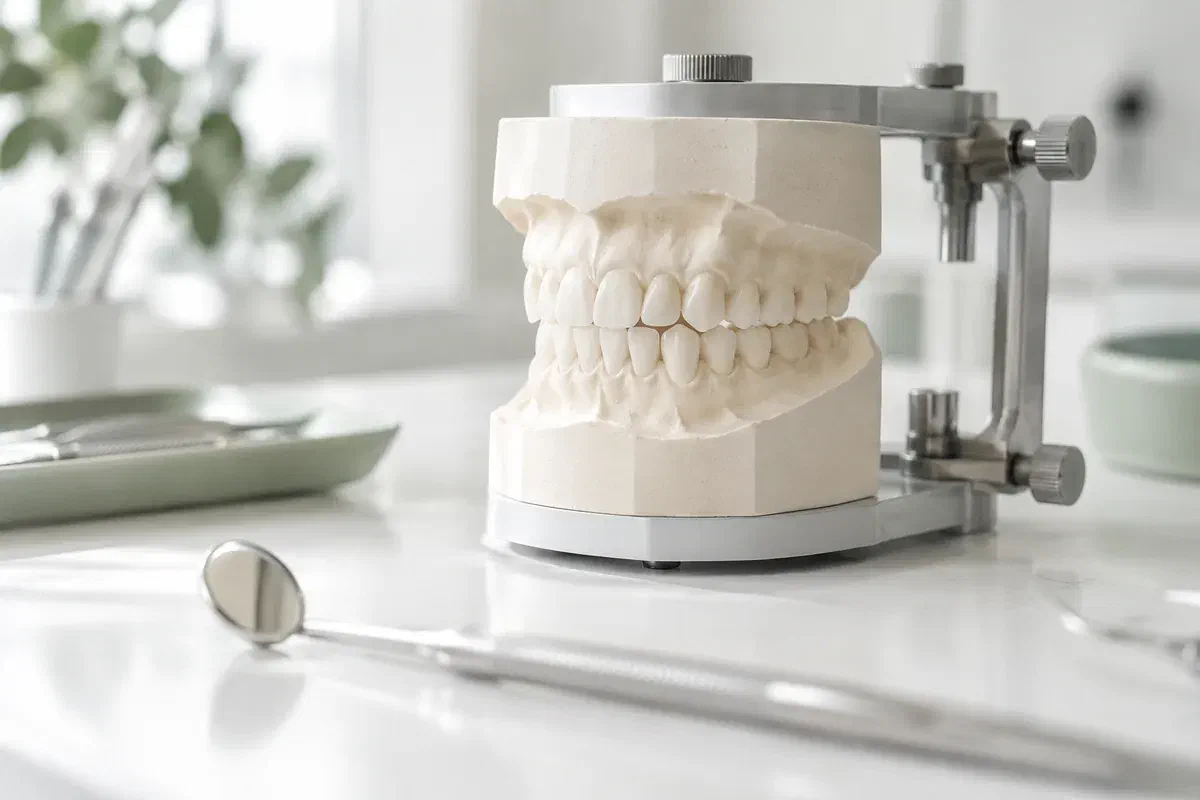
Looking at everything together helps when a repair to one area could change the load on another. Bring past treatment information and mention habits such as clenching that you or others have noticed.
When many teeth are shortening or breaking, the causes may include grinding, acid erosion or bite changes. Understanding the reason comes before deciding how much to rebuild and with what material.
Gaps can push more force onto the remaining teeth, speeding wear. Replacement involves neighbouring teeth, available support and the opposite jaw, so ask how an option would hold up over the years.
Fillings or crowns that keep breaking in similar spots can point to a pattern. A combined review sorts out which needs are immediate and which call for more records, a specialist view or a stepwise plan.
Sudden pain, a cracked tooth or swelling may need attention before the overall plan is ready. Let us know about symptoms when you book.
In a worn mouth, every tooth affects the others. Restoring one area can change how forces land elsewhere, and new restorations face the same pressures that damaged the originals. A comprehensive plan considers those relationships so the work is designed for the bite it will live in.
Responsible planning is honest about limitations. It should explain uncertainty, alternatives, maintenance and the effects of delaying any stage. Rebuilding worn teeth is not a guaranteed permanent result, and a full reconstruction should not be proposed before more conservative options have been weighed.
Patient information: American College of Prosthodontists — full-mouth reconstruction
Managing the forces or acids that caused the wear may be as important as repairing it. Ask how each recommendation tackles either the cause or the damage, and which ones are time-sensitive.
Preparing teeth for crowns removes structure that cannot be replaced. Discuss those effects first, along with less invasive options, and seek another opinion if you would find it useful.
Visits, healing time, cost, the drive down from Halton Hills and home care all matter. Bring them up at the start so the plan is realistic and you know what is expected at each step.
Care follows assessment, planning, treatment and review in turn. The number of visits and practitioners depends on what is found and the options you prefer.
We discuss symptoms, habits, diet, health and previous work. Photographs, X-rays and study models may be used to measure wear and see how the upper and lower teeth meet.
We consider which teeth can be kept and what each concern needs, and whether a specialist should be involved. Expect the order, alternatives, risks, costs and upkeep set out clearly before you decide.
Early stages may include a night guard, managing active problems or interim restorations to trial a changed bite. These steps give everyone a chance to see how changes feel before anything permanent.
Final restorations follow the agreed plan, with checks suited to each procedure. Afterwards you should understand what is finished, what is monitored and how future care and repairs will be arranged.
After rehabilitation, your mouth may mix natural teeth with different materials and replacement parts. Your routine and reviews should reflect that combination and the forces involved.
Natural teeth, bridges, implants and removable appliances need different cleaning methods. Ask to practise the tricky areas with the team and get advice on helpful tools.
If clenching, grinding or erosion contributed, keep using whatever protection was recommended, such as a night guard. Restorations alone do not stop the original causes.
Mention new sensitivity, a different-feeling bite, chipped material or trouble cleaning. Ask which clinician to contact for each problem and how records are shared between offices.
These answers focus on worn teeth, the bite and how much treatment makes sense. Your examination will supply the details.
Make time for a thorough review at our Bronte Street practice to look at wear, damage and gaps together. We will explain the likely causes, set priorities with you and say whether further planning or specialist input would help.
If you have old photos of your smile or earlier dental records, bring them along with a short list of your main concerns.
