Wear, chips and cracks across several teeth
When many teeth show damage, they are best assessed together. Understanding what is driving the breakdown should come before any decision on how extensive the rebuilding needs to be.


Hearing that you need extensive dental work can feel like being handed everything at once. It rarely has to be. A coordinated plan sorts what is urgent from what can wait and explains how each stage connects.
Usually not. Full-mouth rehabilitation is less about doing everything in one go and more about deciding the right order. It brings together repairs to damaged teeth, replacement of missing ones and attention to the bite, so that each piece of work supports the next instead of competing with it.
The phrase covers a wide range. For one person it may mean several crowns and a bridge; for another, mostly prevention with a few targeted repairs. What decides the scope is a careful examination of each tooth and restoration, including those that are still doing their job and can be left alone.
Coming from Oakville, you can expect us to organize the starting records, explain the findings and outline what a coordinated approach might look like. A prosthodontist or other specialist may be part of complex care. You should always know who handles each stage, why it is advised and when the plan will be reviewed.
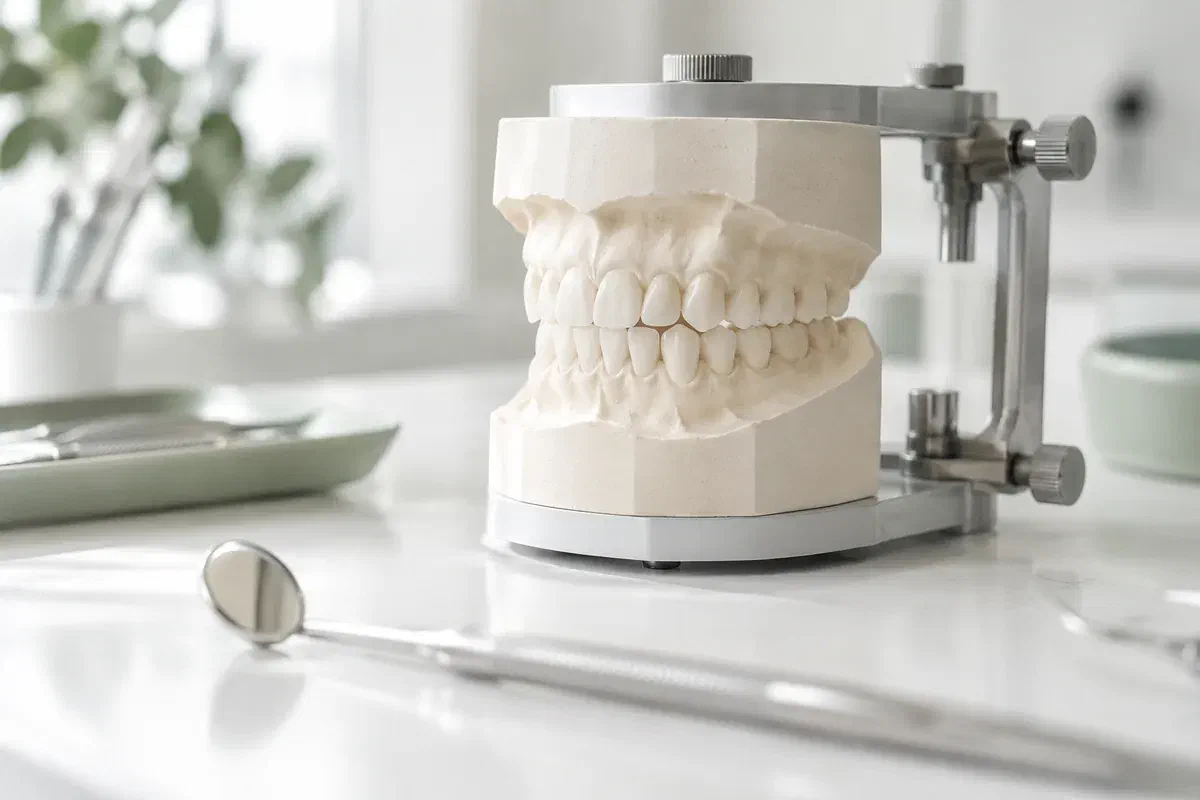
Taking a wider view is worthwhile when a choice about one area may affect another. Share your treatment history and tell us which difficulties affect you the most.
When many teeth show damage, they are best assessed together. Understanding what is driving the breakdown should come before any decision on how extensive the rebuilding needs to be.
Replacing one space involves the teeth beside it, the bone and gum available and the teeth it meets. Ask how each replacement choice fits the long-range outlook for the teeth that remain.
If you feel you are reacting to one problem after another, say so. Reviewing the full picture can separate immediate needs from questions that need more records, a second clinician or a gradual timetable.
A painful tooth or sudden breakage may need treatment before the full plan is in place. Let us know about any current symptoms when you book.
Sequencing is where a comprehensive plan proves its worth. Some steps must come before others: gum health may need attention before crowns, or a tooth’s future may need to be settled before a bridge is designed around it. Mapping those dependencies makes the timeline easier to follow.
Planning should also be clear about what it cannot promise. You deserve a frank conversation about uncertainty, alternatives, maintenance and the consequences of pausing at a given stage. Extensive treatment is not permanent by default, and it should not be the first answer before simpler ones have been looked at.
Patient information: American College of Prosthodontists — full-mouth reconstruction
Health and function often outrank appearance when it comes to timing. Ask for each recommendation to be tagged with its purpose so you can tell which steps are time-sensitive and which allow a pause.
Removing a tooth or trimming it for a crown can close doors later. Planning ahead lets you discuss those trade-offs first and seek another view if you are unsure.
Healing time, budget, work commitments and travel all shape what can realistically happen when. Mention them early so the sequence includes sensible breaks and you know what is expected between visits.
Comprehensive care moves through assessment, planning, treatment and review. How many appointments and clinicians are needed depends on what the examination shows and what you decide.
We go over symptoms, earlier treatment, general health and your goals. X-rays, photos and models of your teeth may be taken to look at the teeth, gums and how the jaws meet.
We look at which teeth can reasonably be kept and what each problem needs. A specialist opinion may be recommended. You should get the order of treatment, alternatives, risks, fees and upkeep explained clearly.
Early work often controls decay, infection or fractures, and may use provisional restorations before final ones. These stages are a chance to reassess and to see how proposed changes feel in daily use.
Final restorations follow the agreed sequence, with checks suited to each procedure. You should leave knowing what is complete, what is still being monitored and how future exams and repairs will work.
Once treatment is done, your mouth may combine natural teeth with several materials and replacement parts. Home care and check-ups should reflect that particular combination.
Natural teeth, bridges, implants and removable appliances each need their own technique. Ask for a hands-on demonstration of hard-to-reach areas and advice on tools that help.
If grinding, decay risk or another factor was involved, follow the prevention plan. Restorations do not erase the reasons the problems began in the first place.
New sensitivity, an altered bite, chipped material or a hard-to-clean spot are worth reporting. Ask which clinician to contact for each concern and how information is shared between practices.
These questions focus on how a large plan is broken into parts. Your own examination will decide the details, and each suggested step should be explained.
Reserve time with Dr. Zoha Anjum in our Bronte Street office to go over the problems that overlap. We will look at the starting point, help set priorities and explain whether more planning or a specialist opinion is needed.
Bring any previous treatment records you have and a short list of what you most want the plan to fix.
