Teeth that are breaking or wearing away
Many fractured, shortened or heavily filled teeth should be examined as a set. The underlying causes need to be identified before anyone settles on how extensive a rebuild should be.


Big changes to your teeth are easier to agree to when you can try them first. Full-mouth rehabilitation often includes a provisional stage, so the bite, comfort and look can be checked before final restorations are made.
Most of us would not buy a pair of boots without walking around in them. Extensive dental work is far more personal, yet many people assume they will only find out how it feels at the very end. In a well-planned rehabilitation, that is not usually how it works.
Full-mouth rehabilitation means restoring a mouth whose problems are extensive or linked, whether that involves damaged teeth, missing teeth, wear or an altered bite. The treatment mix follows the diagnosis. Along the way, provisional restorations may be used to protect teeth and to check how proposed changes feel and function.
For households in Puslinch, our role is to bring the background together, explain the findings and describe the stages a coordinated plan might include. Complex care may involve a prosthodontist or other specialist. You should know who handles each phase, why it is suggested and what each trial stage is meant to show.
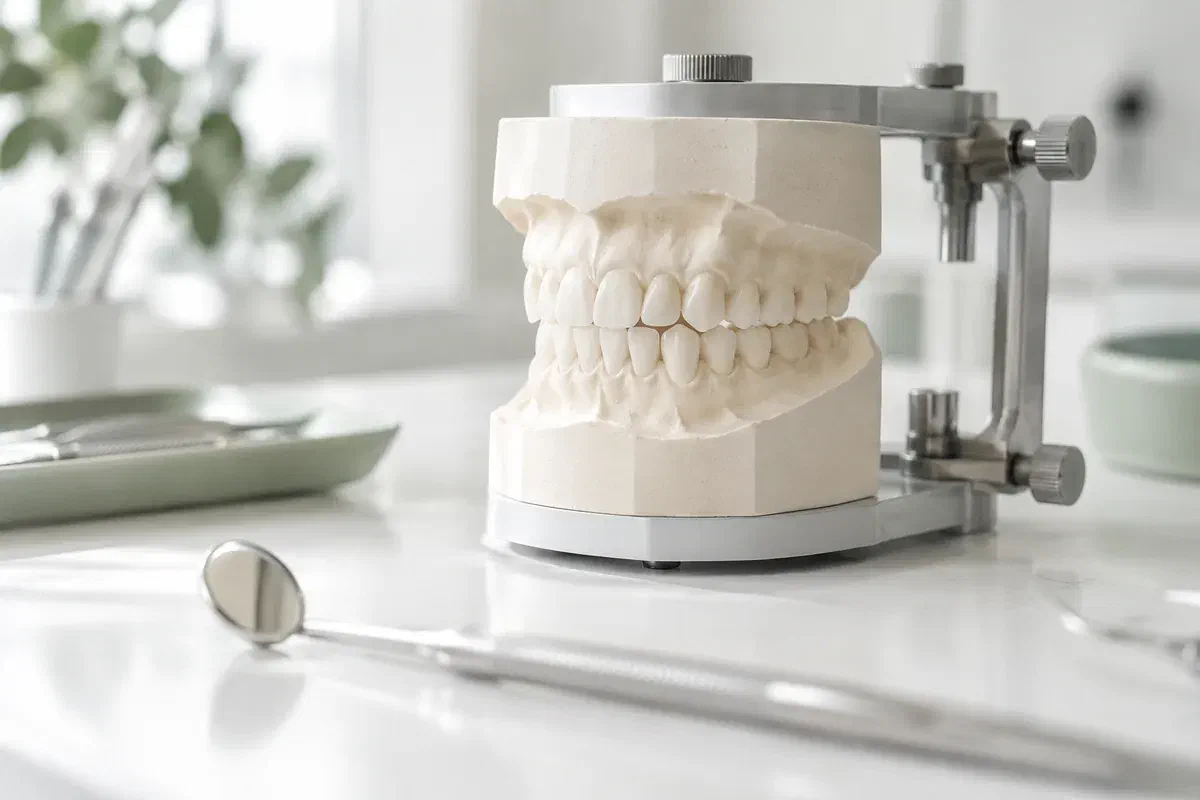
A combined approach helps when work on one part of the mouth changes options elsewhere. Bring past treatment details and describe the problems that affect your days most.
Many fractured, shortened or heavily filled teeth should be examined as a set. The underlying causes need to be identified before anyone settles on how extensive a rebuild should be.
Replacing a gap involves the adjacent teeth, the support beneath and the teeth it bites against. Ask how each option suits the future of your remaining teeth.
If worry about the end result has held you back, say so. A planned approach can separate urgent care from decisions that benefit from more records, specialist advice or a provisional stage.
Dental pain, swelling or a fresh break may need care before planning is complete. Tell us about symptoms when booking so the right time can be set aside.
A comprehensive plan clarifies how each piece depends on the others. When provisional work is included, it adds something valuable: a chance to see how a proposed bite or tooth shape performs in your daily life before it is reproduced in final materials.
Thoughtful planning also admits uncertainty. It should explain alternatives, maintenance and the consequences of pausing a stage. Even well-made restorations are not a guaranteed permanent fix, and extensive work should not be the only path offered before more conservative ones are explained.
Patient information: American College of Prosthodontists — full-mouth reconstruction
Treating disease and restoring function generally precede cosmetic refinements. Knowing why each step exists helps you see which ones are urgent and which can follow later.
Removing tooth structure is permanent, but provisional restorations can be adjusted. That gives you room to comment and, if needed, to seek a further opinion before committing.
Healing intervals, lab time, cost, travel and seasonal workloads all shape the schedule. Mention these early so the stages fit around your life and expectations are clear.
Rehabilitation proceeds through assessment, planning, provisional and definitive treatment, then review. The number of visits and clinicians involved varies with your situation.
We go over symptoms, prior treatment, medical factors and what you hope to change. Radiographs, photos and impressions or scans may be used to study the teeth, tissues and how the jaws come together.
We discuss which teeth have a reasonable outlook and what each problem requires, along with any specialist input. The plan should outline sequence, options, risks, costs and maintenance.
After active problems are controlled, interim restorations may be placed. Over the following weeks, you can report on chewing, speech, comfort and appearance so adjustments can be made.
Definitive restorations are made based on what the trial showed, with checks for each procedure. Afterwards you should know what is complete, what is still being watched and how future care will work.
Provisional restorations are more delicate than final ones, and a finished rehabilitation may include several materials. Daily care should suit each phase and each component.
Temporary work may be more prone to chipping or loosening. Ask which foods to avoid, how to clean around it and what to do if a piece comes off.
If grinding, decay or acid contributed to the original damage, keep up with the prevention plan once final work is in. Restorations alone do not address those causes.
Call if a tooth turns sensitive, the bite starts to feel uneven, material chips or an area becomes hard to clean. Ask who should assess each concern and how records will be shared if other offices are involved.
These answers explain how temporary stages work and why they are used. Your own examination will determine whether and how they apply.
Book an appointment at our Bronte Street office to discuss your overlapping dental concerns and how a staged plan might work. We will review the starting point, set priorities together and explain where specialist input could help.
Bring any earlier treatment records and a list of what you would most like a new bite or smile to do for you.
