You want a tooth in the space promptly
Discuss the temporary restoration separately from the implant. Ask whether the proposed tooth would be fixed or removable, what it is intended to do, and what restrictions would apply during healing.


The word immediate can describe different stages of implant care. Explore immediate dental implants in Milton and clarify when the implant is placed, when a tooth may be attached, and what healing and follow-up still involve.
Immediate dental implants is a phrase that needs clarification in any treatment discussion. It may refer to placing an implant at the time a tooth is removed, or it may be used when discussing attaching a replacement tooth soon after placement. Those are related but separate decisions.
An implant provides support within the jaw; the visible tooth is a restoration attached through the planned components. Placing the support, allowing it to heal, and using it to carry biting forces are different parts of care. A temporary tooth may also have a different purpose and different restrictions from the final restoration.
At Milton Dental Clinic, we can help you understand the timing proposed for your situation. Ask which step is described as immediate and what conditions must be met for it to proceed. A clear explanation should include the preferred plan, the alternative if circumstances change, and the appointments still needed afterward.
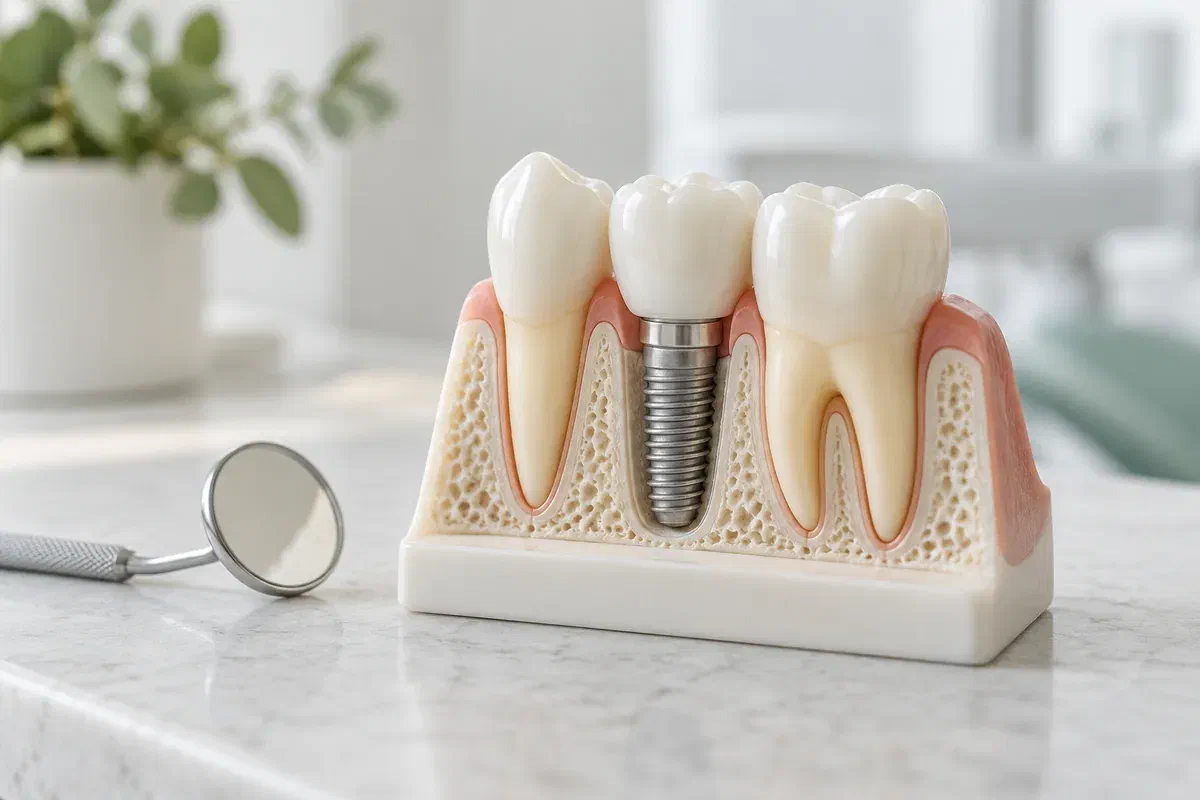
People may use the same phrase to describe different priorities. Tell the clinician whether your main concern is avoiding a visible gap, limiting separate procedures, or understanding when you can use the replacement tooth.
Discuss the temporary restoration separately from the implant. Ask whether the proposed tooth would be fixed or removable, what it is intended to do, and what restrictions would apply during healing.
Ask which stages are combined and which remain. A shorter initial sequence does not necessarily remove healing reviews, later impressions, fitting appointments, or the need to complete a final restoration.
Placement, restoration, and loading refer to different events. Having each plan explained in those practical terms can make comparisons clearer than relying on a broad promise of immediate implants.
The timing depends on assessment and clinical conditions. A plan should not promise an immediate final tooth before the site and intended restoration have been properly evaluated.
In selected cases, combining steps or providing a suitable early restoration may be considered within a carefully planned approach. The potential benefit should be explained for your site, with attention to the conditions required and the limitations during healing.
The conversation also needs to cover risks and alternatives. Implant stability, tissue conditions, restoration design, and health factors can influence what is appropriate. Ask what would favour a more gradual sequence and what changes would lead the clinician to revise the original plan.
Patient information: International Team for Implantology — implant placement and loading protocols
A temporary tooth may address a visible gap without being ready for normal biting forces. Knowing that distinction helps you understand the restrictions and avoid judging readiness by appearance alone.
Discuss time off, travel, meals, and review visits around the actual stages. Ask what parts of the schedule are estimates and which depend on findings during treatment or subsequent healing.
If an immediate step becomes unsuitable, an agreed alternative can explain how the space and site will be managed. This gives you a clearer basis for consent than a plan that assumes every condition will be ideal.
An implant assessment should identify both the proposed timing and its conditions. Ask who will provide surgical and restorative care and how the plan will be coordinated if more than one clinician is involved.
The clinician examines the mouth, reviews health factors, and obtains appropriate records. If a tooth is present, its diagnosis and prospects for retention need consideration before planning removal and replacement.
Clarify the dates or stages for extraction where relevant, implant placement, temporary teeth, and the final restoration. Ask when biting forces are permitted and what findings must support each planned step.
Clinical findings can change the suitability of an immediate step. The treating team should explain the alternative arrangements beforehand and reassess the plan rather than proceed simply to preserve the original timetable.
Follow-up checks determine readiness for later stages. Even when an early tooth is provided, further records, fitting, or replacement of the provisional restoration may be needed before treatment is complete.
Your instructions depend on the procedure and restoration provided. Keep the written guidance available and ask the treating team to explain anything that is unclear before returning to ordinary activities.
Follow the specific food and chewing advice. Do not test whether the tooth can bite normally or assume that a fixed temporary restoration has the same role as the final one.
Ask how to care for the surgical area and any temporary appliance without disturbing the site. The routine may change as healing progresses, so confirm when to begin each recommended cleaning method.
Attend follow-up even when the area feels comfortable. Contact the team about unexpected movement, worsening symptoms, or concerns identified in your instructions so the site and restoration can be assessed.
These questions help translate common timing terms into practical expectations. Your own plan should identify which steps are proposed and what must be confirmed before they proceed.
Arrange a consultation at our Bronte Street clinic to discuss implant timing and tooth replacement. We can review your concerns and explain the assessment needed to compare immediate and staged approaches.
Bring any existing proposal or imaging information, and tell us whether your main concern is the procedure schedule, a visible gap, or the temporary tooth.
