The thought of a visible space
If going without front teeth is not workable for you, say so before any date is fixed. Records and lab time come first, and we can explain whether you are a candidate and what can be judged ahead of time.


Should you wait for healing or wear teeth from the first day? Burlington adults facing extractions can compare an immediate denture with a later fitting, and learn how the fit is managed while the gums and bone recover.
When teeth need to come out, there is a choice about timing. A conventional denture is usually made after the mouth has healed, which can mean a stretch with gaps. An immediate denture reverses that order: it is made from records taken in advance and placed at the extraction visit, if suitable, to replace some or all of the teeth in an arch.
That convenience comes with a moving target. Extraction sites remodel for months, and the denture resting on them is affected by every change. Expect reviews, likely adjustments and perhaps a reline or a replacement once healing is further along. Those are planned stages, and knowing about them early helps you budget time.
For people travelling from Burlington, a planning visit at our Bronte Street practice sets out both routes side by side. We ask what you need to manage during recovery, whether a removable appliance is new to you and who can help at home, then explain which sequence looks sensible.
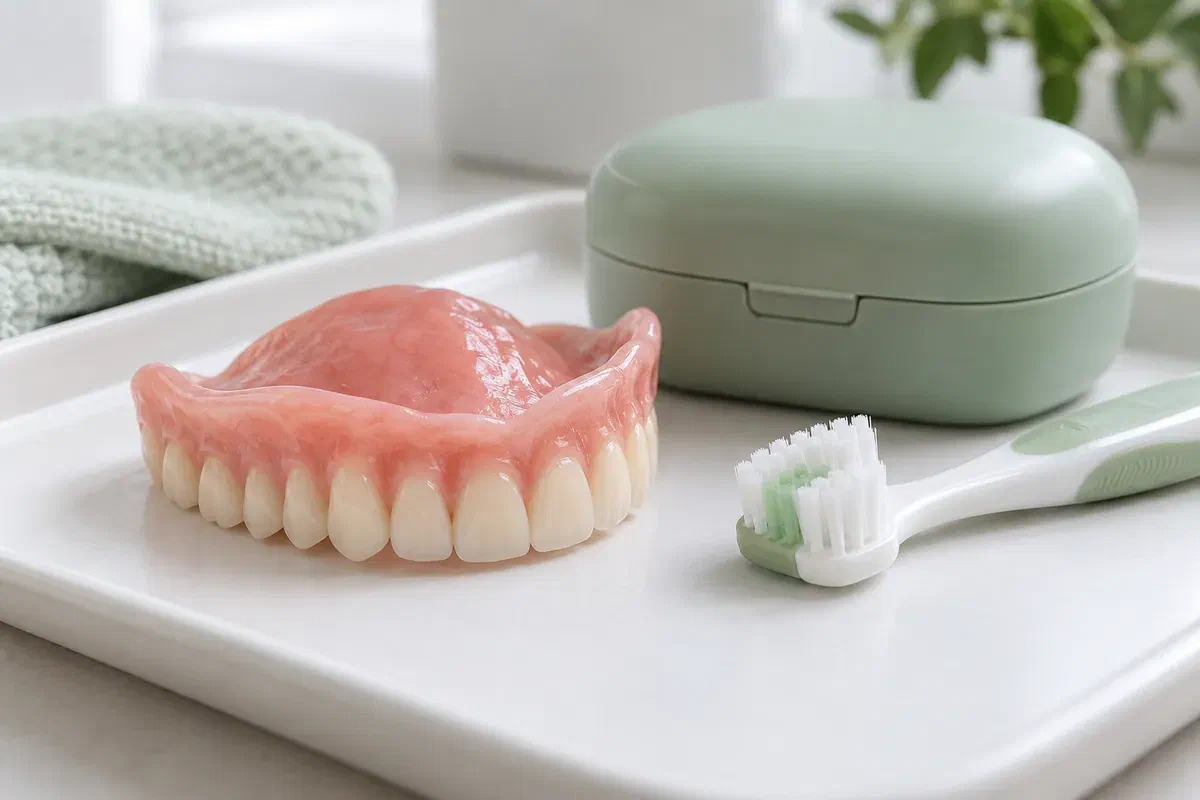
Most hesitation sits in one of three places. Each one connects to oral health, appliance design and the support you will need while getting used to wearing teeth that come out.
If going without front teeth is not workable for you, say so before any date is fixed. Records and lab time come first, and we can explain whether you are a candidate and what can be judged ahead of time.
Each proposed removal deserves an explanation, along with whether treatment could keep that tooth. A denture plan is only as sound as the diagnosis and the alternatives behind it.
Concerns about gagging, grip, cleaning or managing alone are useful to hear. Instructions should be workable in your home, especially in the first days when the gums are also tender.
There is no shortcut on the extraction day itself. If teeth are already booked to come out at another practice, contact us beforehand so we can talk through timing and responsibilities.
The clearest advantage is that suitable patients are not left without replacement teeth while the mouth heals. The appliance goes in when the natural teeth come out, which many people find helps with appearance, confidence and keeping to their usual routines.
The trade-off is precision. Planning around teeth that are still in place means some features of fit and arrangement cannot be tried in fully, and healing will change the support beneath. Ask how those uncertainties are handled and what follow-up work is likely.
Patient information: Royal Devon University Healthcare — immediate denture information
Know who makes the denture, who places it and where reviews take place. This is especially useful when an oral surgeon does the extractions and a dentist looks after the appliance.
Go over eating, speaking, wear time and help at home well ahead. You get to think things through before recovery and a new appliance arrive at the same moment.
A review timeline makes adjustment an expected part of the process. Ask which appointments and possible relines or replacements are part of the plan and its estimate.
Every plan depends on which teeth are involved and the denture type. Ask to see preparation, the extraction visit, the first review and later reassessment as one timeline so you can arrange time and support.
The dentist assesses your mouth, explains why extractions are proposed and compares immediate, delayed and other approaches with your goals. Health history may lead to extra assessment.
Impressions or similar records allow the appliance to be built before removal. You discuss appearance, the limits of previewing it and how the clinicians involved will coordinate.
At the planned visit, the team checks whether the denture can be placed as intended. You receive care instructions for the sockets and appliance, a wearing schedule and a contact for questions.
Checks over the following weeks and months look at comfort, tissue recovery and changing support. The dentist explains whether to adjust, reline or eventually replace the denture.
Instructions right after extractions can differ from how an established denture is worn. Keep the written advice and ask about removal times, cleaning, pain relief, diet and follow-up.
Early wearing instructions depend on the procedure you had. Follow them rather than removing the denture or sleeping in it based on a routine meant for a denture that has been worn for years.
Ask how to look after the appliance, any remaining teeth and the healing sites as recovery moves on. Begin with the suggested foods, since early chewing is usually limited.
Report rubbing, difficulty seating it or a denture that feels looser each day. Avoid adjusting it yourself, pushing it in hard or using unapproved liners on healing tissue.
These answers focus on preparation and the changing fit during recovery. For your own care, follow the advice of the clinicians doing the extraction and making the appliance.
Come in to our Bronte Street office to talk about immediate and delayed dentures alongside planned extractions. We will explain preparation, fitting, healing checks and the decisions that may come later.
If an extraction is already scheduled, or another office is involved, please mention it when you call.
