Going without teeth, even briefly
Bring this up while there is still time to prepare. The denture has to be made ahead, and we can tell you whether the immediate approach is suitable and what parts of its appearance can be shown before removal.


After years of patching failing teeth, deciding to replace them can feel like a big step. For people in Old Milton, an immediate denture can be prepared beforehand and placed when those teeth come out, with reviews planned while the gums heal.
Some people reach this point slowly: another crack, another filling, a tooth that has been loose for a while. When removal becomes the sensible choice, an immediate denture is one way to handle it. The appliance is produced before the extraction and, if conditions allow, seated during that same appointment, replacing a few teeth or a whole arch.
What it cannot do is stay perfect. The ridges under a denture shrink and reshape as the extraction sites mend, which tends to loosen the fit over the following weeks and months. Planned adjustments, a reline, or a newer denture later on are normal parts of the arrangement rather than signs that something went wrong.
Close to Milton’s historic downtown, our Bronte Street practice can help you weigh the steps before you agree to any extractions. Tell us how you eat and speak day to day, whether you already wear a partial, and whether someone at home can help while you recover. Those details shape a plan you can live with.
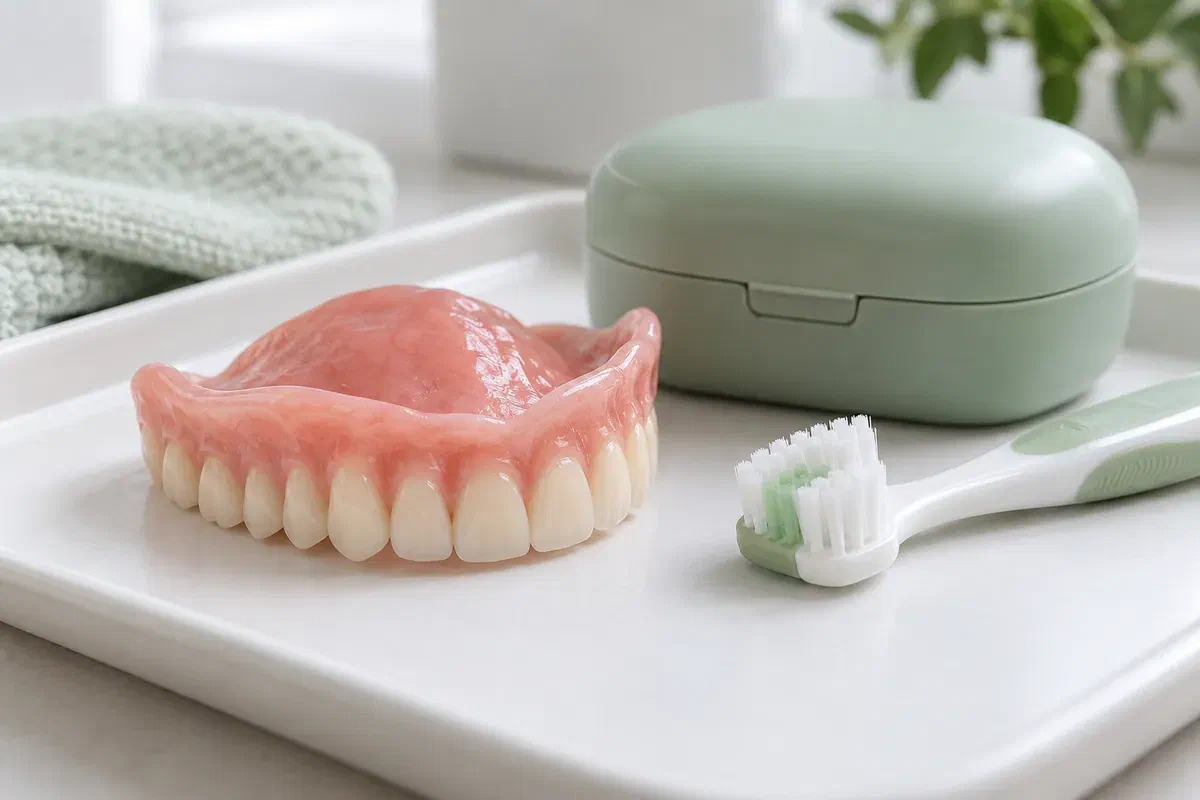
People rarely worry only about how they will look. They also wonder about the condition of their mouth, what the appliance will be like and how they will cope with it once they get home.
Bring this up while there is still time to prepare. The denture has to be made ahead, and we can tell you whether the immediate approach is suitable and what parts of its appearance can be shown before removal.
Ask for the reasoning tooth by tooth, and whether any could stay with treatment. A good plan begins with a diagnosis you understand and a fair comparison of the choices available.
Arthritis in the hands, a sensitive gag reflex or worries about cleaning are all worth mentioning. Care steps should suit you, particularly during the days when sockets are still healing.
Because the denture is made beforehand, please call us before any extraction that another office has already scheduled, so the timing and responsibilities can be agreed.
The main appeal is continuity. A suitable candidate leaves the extraction appointment with replacement teeth in place, rather than waiting through healing before a denture is even started. That can make a considerable difference to confidence and to getting on with ordinary routines.
The limits are real. With natural teeth still present during planning, some aspects of fit and arrangement are partly estimated, and the tissue beneath will change as it heals. A careful plan names those uncertainties and explains how they will be dealt with later.
Patient information: Royal Devon University Healthcare — immediate denture information
Agree in advance who fabricates the denture, who seats it and who sees you for checks. This is particularly helpful if a surgeon removes the teeth and a general dentist manages the appliance.
Go over meals, talking, wearing times and help at home before treatment. Settling those questions early means you are not working them out while sore and adjusting to something new.
Expect a schedule of reviews, because a mouth in recovery keeps changing. Ask which appointments, relines or possible replacement are included in the estimate you receive.
The details vary with the teeth involved and the type of denture. Seeing preparation, the extraction visit, the first review and the later reassessment together helps you plan time off and support.
The dentist examines your mouth and explains why extraction is being proposed, what alternatives exist and how they compare with your priorities. Medical history and practical needs may point to further assessment.
Records are taken so the lab can build the appliance before removal. You discuss shade and shape, the parts that cannot be previewed, and any coordination needed with another clinician.
The treating team confirms on the day whether the denture can be placed as planned. Before you leave, you receive instructions for the healing sites and the appliance, plus a contact number.
Follow-up visits assess comfort, tissue healing and how support is shifting. The dentist explains whether adjusting, relining or eventually replacing the denture is the right next step.
What you are told to do in the first days may not match how longtime denture wearers handle theirs. Keep the written sheet and ask about taking it out, cleaning, pain relief, meals and when to return.
Early wearing directions depend on your procedure. If you have worn a partial before, resist falling back on your old routine for overnight wear until the clinician tells you it is time.
Ask how to care for the appliance, the teeth that remain and the healing sockets as each week passes. Stick to the suggested foods at first instead of testing the new teeth on anything tough.
Tender spots, a denture that will not seat or one that moves more each day all deserve a call. Do not trim it yourself, push it into place or add store-bought pads to healing gums.
These cover planning and the way fit changes in recovery. Specific instructions should come from whoever performs your extraction and makes your appliance.
Book a consultation at our Bronte Street practice to discuss dentures as part of planned extractions. We will explain how the appliance is prepared, what fitting day involves, how reviews work and what may follow as healing continues.
If you already wear a partial, please bring it with you, and tell us about any extraction dates arranged elsewhere.
