Keeping up the routine has got harder
Reduced strength or reach can let deposits build up between visits. Tell us where you struggle; more frequent professional cleaning, or different tools, may help bridge the gap.


How often should an implant denture be seen? The honest answer is that it depends on you. We examine the appliance, its retaining parts and the gum around each implant, then set a review schedule that fits your mouth and your household.
There is no single correct gap between implant denture reviews. Someone with healthy gum, easy cleaning access and a stable appliance may need fewer visits than someone whose tissue tends to get irritated or whose inserts wear quickly. The schedule is worked out from what we find, and it can change.
Your design is part of that picture. A removable overdenture lets you inspect and clean the supports at home, which helps. A fixed restoration is harder to see under, so professional cleaning and assessment may carry more weight. Either way, the review covers the denture, its retaining hardware and the gum around each implant.
In rural households around Campbellville, appointments often get grouped with other errands or family visits. Tell us how you prefer to plan, what parts of the routine give you trouble and whether anything about your health has changed. We can then suggest timing that is clinically sound and practical.
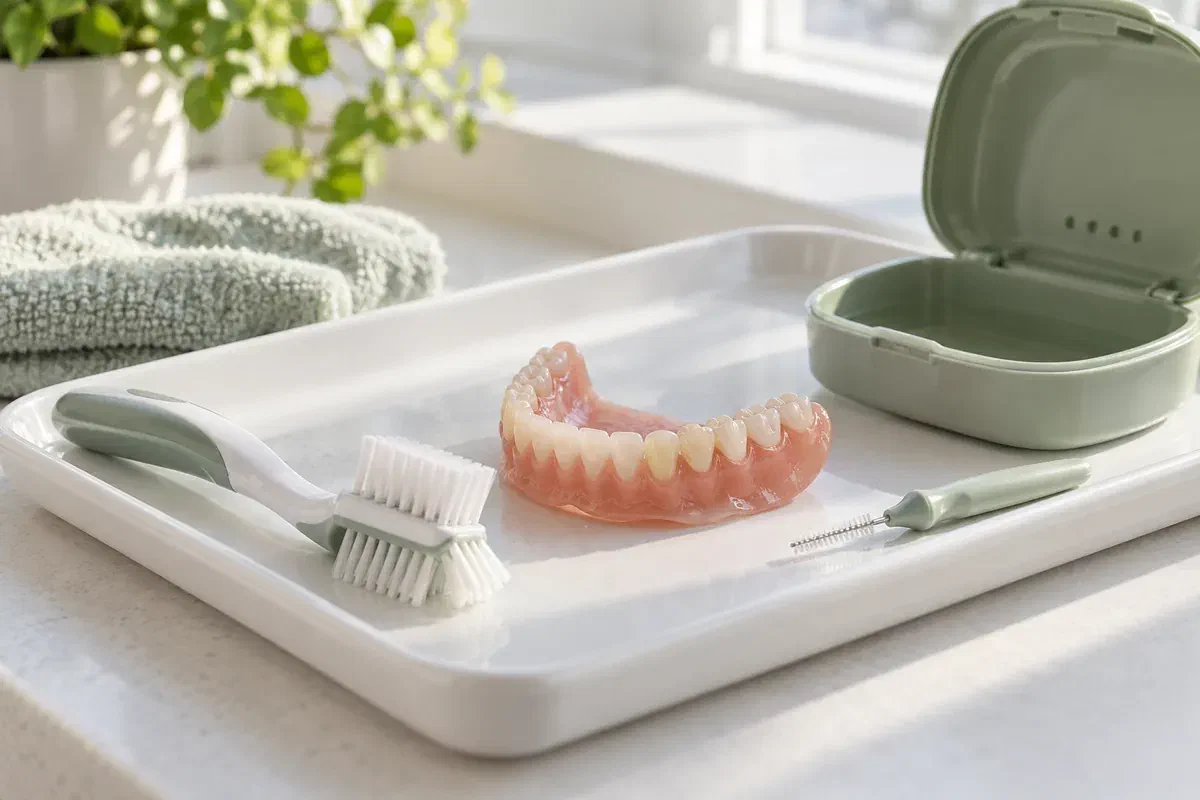
Some changes suggest the current interval is too long. Bring the products, brushes and aids you use, or their names, so the team can match advice to your particular appliance.
Reduced strength or reach can let deposits build up between visits. Tell us where you struggle; more frequent professional cleaning, or different tools, may help bridge the gap.
If build-up returns soon after a visit, it may point to an access problem, a fit change or a shape that traps debris. Note the spot and whether the gum there is tender or bleeds.
New movement, clicking, pressure or difficulty removing a removable denture is a reason to book sooner. Attachment wear, denture changes or other causes may be involved.
Pain that is new, swelling, any discharge or a restoration that loosens should not wait for the next scheduled date. Call the clinic so the problem can be assessed in good time.
Regular visits build a record. When the clinician can compare today's findings with last time, changes in wear, tissue health or fit are easier to spot. Replacement teeth cannot decay, but the gum around implants can still become inflamed. You should hear what is steady, what has shifted and whether the interval still makes sense.
The schedule also responds to your life. A new medication, illness or a change in who helps at home can mean the routine needs adapting, or that visits should be closer together for a while. Mention those developments so care stays realistic rather than becoming a burden.
Patient information: Cambridge University Hospitals — continuing care of dental implants
Ask which findings the team is weighing: gum condition, cleaning access, wear on the retaining parts or past problems. Knowing the reasons makes it easier to accept a schedule that differs from someone else's.
Retentive parts and the denture itself gradually wear down. If a repair is needed, ask whether it can be timed with your next review, and expect timing and costs to be explained before any further work.
A short routine done daily helps extend the time between visits safely. Bring a family member if helpful, and ask us to show the spots on your own denture that matter most.
The appointment reflects your restoration, oral health and previous findings. The examination, cleaning and any repair needs are explained in plain language, along with anything that would need another booking.
We ask how the denture has felt since the last visit and how your routine is going. Share any changes in medication, smoking, general health or support at home, and bring implant records.
The clinician may examine the gum around each support, cleaning access, the denture surfaces, attachments and bite, comparing with your history. Imaging is considered when the findings call for it.
Professional cleaning and agreed upkeep are adapted to your restoration. When a repair, further investigation or another clinician is needed, we explain the reasons, arrangements and estimated costs.
Together we settle on a recall that suits your mouth and your planning. You also leave with tool suggestions, things to watch and the signs that mean calling sooner.
Your denture, retaining hardware and gum each need appropriate care. Keep to the instructions for your restoration, and phone us before adding a new soak, cleanser or tool.
Remove an overdenture only in the way you were taught and clean it plus the supports. With a fixed restoration, clean around and beneath it using the method shown, and never try to take it off.
Ask the team which brush, cleaning solution and storage case suit your appliance. Products made for standard acrylic dentures may not be right for metal components or retentive inserts.
Persistent soreness, bleeding, new movement or a bite change are reasons to call. Keep any detached part safe, and skip glue, filing or improvised fixes that make proper repair harder.
Patient information: European Federation of Periodontology — caring for dental implants
Every restoration and mouth is a little different. These questions cover review intervals, changing schedules, combining visits and what to do if you fall behind.
Make an appointment at our Bronte Street practice to discuss your implant denture, its current condition and your daily routine. We will explain what it needs and suggest a review interval that suits you.
Bring implant records, past repair notes and the names of your cleaning products.
