Bleeding that keeps returning at one implant
Blood during gentle cleaning at the same site, day after day, is worth mentioning. Note any tenderness and whether your tools changed. Bleeding on its own cannot reveal how the bone underneath is doing.


On a rural property, a trip into town usually covers several errands, and dental care can work the same way. For households around Campbellville, we fold implant gum reviews into regular visits, check the tissue for inflammation, and help you decide when a change warrants a call.
In a rural hamlet, a day in town tends to be planned: groceries, the hardware store, the bank, perhaps the dentist. Implant maintenance slots neatly into that kind of day if it is organised alongside your regular checkup. The aim is simple. Keep an eye on the gum around the implant without adding trips you do not need.
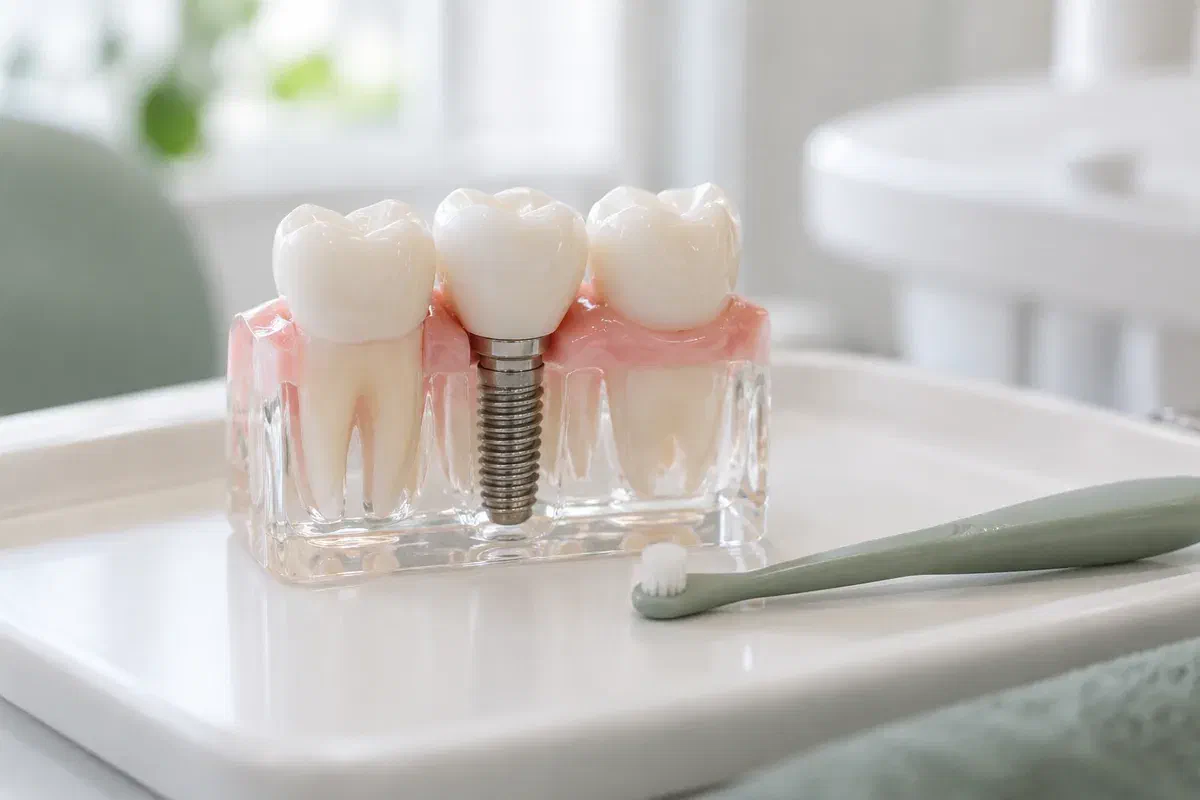
There are two things the dentist looks for. Peri-implant mucositis is inflammation of the gum surrounding the implant. Peri-implantitis adds loss of bone support underneath. How the site looks to you, or whether it is comfortable, cannot separate them. That judgement rests on the examination, earlier findings, and imaging if it would truly help.
Within Milton’s rural northwest, Campbellville families often book several people on the same morning. Tell us about the implant’s history and what you have noticed, and our Bronte Street team can schedule enough time for a proper review. You will leave knowing how the site is doing and what to watch for until the next planned visit.
Most changes around an implant are gradual and can be raised at your next booking. A few cannot wait. Either way, describe where it happens, how often, and how long it has been going on.
Blood during gentle cleaning at the same site, day after day, is worth mentioning. Note any tenderness and whether your tools changed. Bleeding on its own cannot reveal how the bone underneath is doing.
A swollen or reddened margin, a gum line that looks different, or a persistent unpleasant taste should be brought up. The dentist will think about inflammation and other causes instead of assuming one explanation.
If the crown’s contour or soreness makes one area hard to clean, point it out at your visit. We can look at your method and at the restoration, so the fix is handled in the same appointment where possible.
New swelling, discharge, worsening pain, or an implant that moves are reasons to phone before driving in or waiting for a scheduled visit. Describe the symptoms and we will help you decide on timing and arrange an assessment.
Even if your appointments are timed around farm seasons or work, each one adds to the picture. Notes from every review allow the team to compare bleeding, measurements, and cleaning access, and to tell you whether the site is stable. Ask what is being monitored at your implant and how it compares with last time.
The plan should also suit your risks and your reality. Earlier gum disease, smoking, health conditions, and difficulty cleaning are all relevant. They guide how often you are seen and what help you receive. They are not a reason to stay home because the routine slipped during a busy season.
Patient information: American Academy of Periodontology — peri-implant diseases
If findings show more than routine monitoring can handle, a specific treatment plan should follow. You should know what the concern is, what is proposed, and how the outcome will be checked.
When a site stays difficult, a different aid, a simpler routine, or an assessment of the restoration’s contour may help. The goal is a method that works on an ordinary day.
Your natural teeth, other implants, and family members’ visits can all be planned at once. That keeps the implant in context and reduces separate trips.
You should finish the visit knowing what is happening around your implant and what each next step is for. Mention tenderness or uncomfortable past exams at the start so we can take care.
We ask when it was restored, whether there has been inflammation or treatment, and what has changed in your health or medicines. Records and your own notes point us to what needs comparing.
The clinician examines the site and may take gentle measurements. Any bleeding, how well the site can be cleaned, and the look of the tissue are judged together; an X-ray may be recommended if bone support needs clarifying.
We tell you whether the findings suggest routine maintenance, focused treatment, or further assessment. Recommended cleaning, care, or referral should come with a reason and an estimate where relevant.
We agree on home priorities and, if you like, book the next review alongside other family appointments. A recheck after treatment may be sooner than regular maintenance.
A routine that survives busy seasons and early mornings is the one that helps. Ask us to demonstrate it on your own implant, and tell us about anything that makes cleaning hard.
Use the brushes and interdental cleaners recommended for your implant. Choose the correct size rather than forcing a larger one, and avoid hard scrubbing when the gum bleeds.
A calendar note when bleeding, swelling, tenderness, or a bad taste appears makes it easier to decide whether to call. Contact us if changes persist or worsen; a lack of pain is not proof of health.
Mention new medicines, changes in diabetes care, smoking, or new limits on cleaning. Ask for help with risk factors and continue prescribed medical care unless your doctor advises otherwise.
Ask about what you have seen, what the measurements mean, or how follow-up is timed. Your implant’s own history matters more than a neighbour’s experience.
Combine an implant gum review with your regular care at our Bronte Street clinic in Milton. We will examine the tissue, talk through what you have noticed, and send you home with clear priorities and a date for the next review.
When you call, tell us who else in the household needs an appointment and whether you have noticed bleeding, swelling, or soreness near the implant.
