Food catches in an unfamiliar space
Tell the team where food collects and whether the area is difficult to clean. Avoid digging into the gap with sharp objects or repeatedly packing material into it to see whether that improves the feeling.


A missing filling can leave a rough edge, food-trapping space, or sensitive area in a tooth. Arrange lost filling treatment in Milton to assess the remaining tooth, identify why the restoration came away, and choose a suitable repair.
A filling repairs part of a tooth's surface. If some or all of it comes away, you may notice a new hollow, a sharp edge, food catching, or sensitivity. Sometimes a piece of tooth has broken with the restoration, so the repair begins with checking what remains rather than simply filling the visible space.
The appropriate treatment depends on the size and location of the defect, the condition of the surrounding tooth, and any deeper problem. A replacement filling may be suitable, but a larger restoration or another treatment may be discussed if the tooth needs more support or the pulp is affected.
At Milton Dental Clinic, tell us when you noticed the change and what you feel during eating, drinking, or cleaning. Explain whether the filling was recently placed, temporary, or part of another ongoing treatment. Those details help us plan the assessment and understand what the tooth may need next.
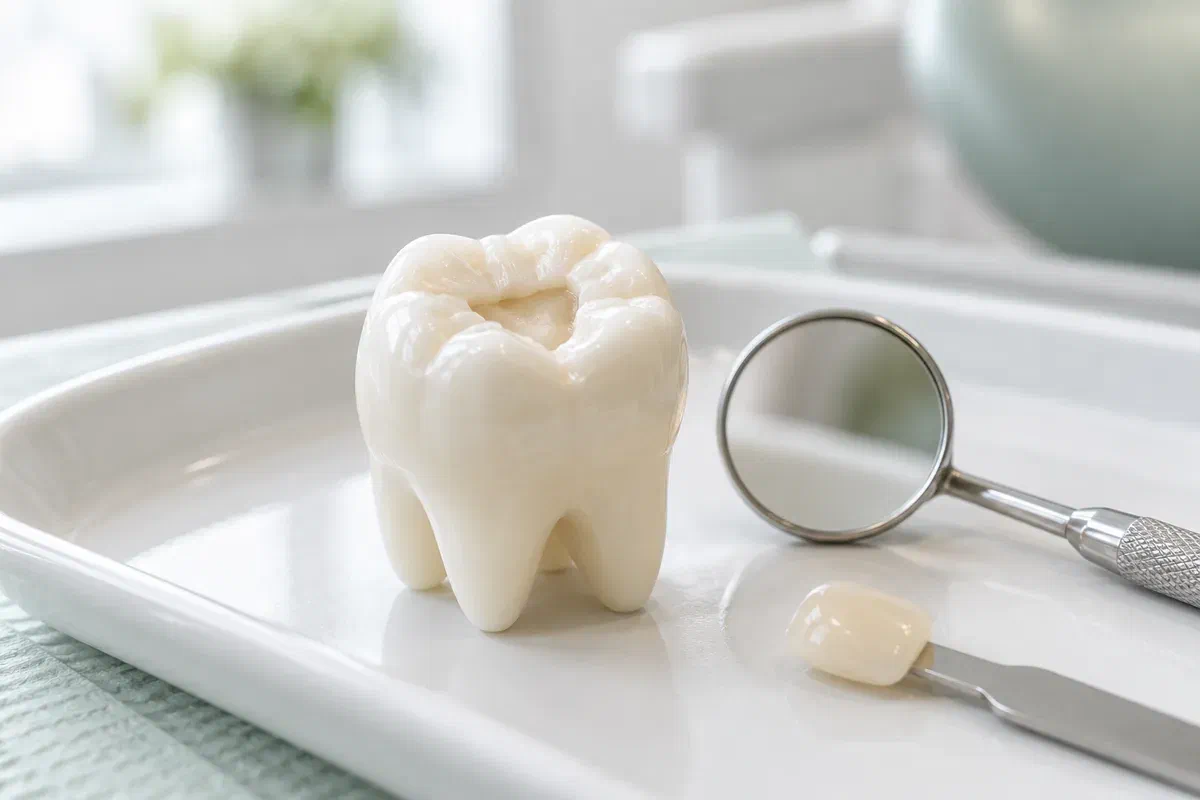
You may not be able to tell whether the missing piece was filling material or tooth. That is a normal reason to seek an assessment; describe the change and let the examination establish what has happened.
Tell the team where food collects and whether the area is difficult to clean. Avoid digging into the gap with sharp objects or repeatedly packing material into it to see whether that improves the feeling.
A rough or sharp surface may come from the restoration or the remaining tooth. Ask for advice if it is injuring the soft tissue, and do not attempt to file or smooth it at home.
Describe the trigger, how long the sensation lasts, and whether pain occurs without a trigger. These details can help the dentist assess the tooth beyond the visible missing filling.
Call about worsening or persistent pain, swelling, fever, or a recent injury. If swelling affects breathing or swallowing, seek emergency medical care rather than waiting for a routine dental visit.
A filling that worked previously may not be the right answer to every later change in the same tooth. The examination considers the remaining walls, any new decay or fracture, the bite, and the symptoms before a repair is chosen.
The goal is to restore a serviceable surface while addressing the reason the old restoration failed where that can be identified. Ask what the findings mean, which materials or restoration types are appropriate, and whether the first treatment is intended to be temporary or definitive.
Patient information: Cleveland Clinic — fillings and other restorative options
The size of the visible gap does not always show how much support remains. Understanding whether a tooth wall is missing can help explain why one case needs a filling and another needs broader coverage.
A deep defect and persistent pain may require different care from a shallow, comfortable loss. The dentist can explain the role of any tests and what would change the treatment recommendation.
Discuss comfort measures, the anticipated number of appointments, and the estimate before proceeding. If interim care is needed, ask what it protects, what it does not resolve, and when the next stage should occur.
The treatment sequence depends on what the examination finds. Let the team know if you are anxious or the tooth is sensitive so the steps and appropriate comfort measures can be discussed before work begins.
The dentist assesses the missing restoration, remaining tooth, symptoms, and bite. X-rays or other tests may be recommended when they would help identify decay, fracture-related concerns, or a deeper problem.
You discuss the findings, alternatives, and estimated fee. If a direct repair is suitable, the damaged area is prepared and appropriate numbing and moisture control are used for the proposed treatment.
A suitable filling is placed and shaped according to the material and defect. If the tooth needs a different treatment sequence, the team explains any temporary protection and the arrangements for completing care.
The restoration's surface and contacts are assessed as appropriate. Ask about eating, cleaning, expected sensations, and when to return if the tooth remains uncomfortable or the bite does not feel right.
Contact the clinic for advice that reflects your symptoms and treatment stage. A temporary filling lost between appointments may need a different response from an older definitive restoration that has just broken.
Avoid hard or sticky foods on the tooth while waiting for assessment. If temperature triggers sensitivity, choose foods and drinks you can tolerate and avoid repeatedly testing the tooth.
Continue careful brushing with fluoride toothpaste and suitable cleaning between the teeth. Ask for help if the area is painful or inaccessible, and do not use sharp household objects to remove trapped food.
If the area was numbed, avoid chewing until sensation returns. Report a high bite, increasing pain, lingering sensitivity, or a new break, and keep any appointment needed to complete temporary treatment.
Bring any questions about the old restoration, current symptoms, and possible materials. The recommendation should be based on the tooth today, with an explanation of how the new repair is intended to work.
Contact our Bronte Street clinic about a filling that has come away or a new gap in a tooth. We can assess the remaining structure, discuss your symptoms, and explain the options for restoring the area.
Please call about significant pain or swelling, and mention if the missing filling was part of ongoing treatment.
