A space that holds onto food
Say which tooth traps food and how hard it is to clean. Avoid prising debris out with sharp items, and don’t keep pushing material into the space to see whether it helps.


When the trip to the dentist takes planning, a lost filling raises practical questions as well as clinical ones. From Etobicoke, a call ahead helps us organise an efficient assessment, explain what the tooth needs, and arrange any repair in as few visits as is sensible.
A filling coming loose is rarely convenient, and from the west end of Toronto you’ll want each appointment to count. The first thing to know is that the space you feel may be filling material alone or filling plus a piece of tooth. That distinction affects how long the visit takes and whether the repair can happen right away.
In the chair, the dentist judges how big the defect is, where it is, how strong the remaining walls are, and whether anything deeper needs attention. Many teeth can be refilled at the same appointment. Others need a larger restoration or care for the nerve, which may mean a planned second visit.
So tell us as much as you can when you phone from Etobicoke: when it happened, how the tooth feels with food, drink and brushing, and whether the filling was new, temporary or part of treatment still in progress. With that, we can set aside suitable time and let you know what to expect.
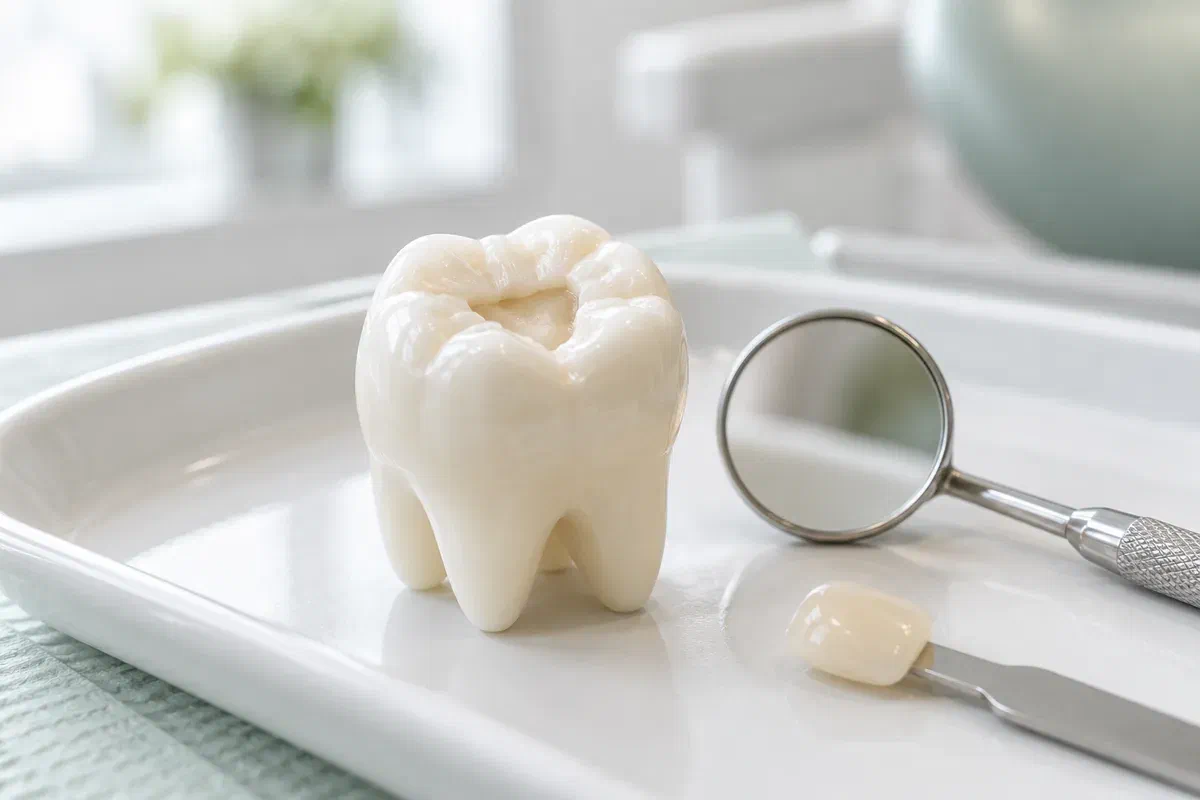
Many people can’t tell if they lost a filling, part of the tooth or both, and that is fine. Just describe what changed. The examination will establish the cause and the right repair.
Say which tooth traps food and how hard it is to clean. Avoid prising debris out with sharp items, and don’t keep pushing material into the space to see whether it helps.
Sharpness may come from leftover filling or from the tooth wall. Let us know if it is cutting your cheek or tongue, and don’t try to file it smooth while you wait.
Note the trigger, how long it lasts and whether pain ever arrives unprovoked. That helps us decide how soon you should be seen and how much time to book.
Call if pain is intensifying or won’t settle, or if you have swelling, fever or a recent injury. If swelling affects breathing or swallowing, don’t make the drive: go to the nearest emergency department straight away.
Even if the old filling was a good fit years ago, the tooth may have changed since. Before proposing a repair, the dentist considers the walls that remain, new decay or cracks, how your teeth bite together and the symptoms you report.
You should come away with a restored surface or a clear plan to reach one, and, where it can be identified, the reason the previous filling failed. Ask what the findings mean, which materials or restorations fit the tooth, and whether today’s work is provisional or final.
Patient information: Cleveland Clinic — fillings and other restorative options
The hole you feel doesn’t reveal how much support remains. Learning whether a wall is missing helps explain if one appointment may do or if broader coverage, and more visits, would be advised.
A deep space with continuing pain may need different, sooner care than a shallow, painless one. The dentist can explain any test and what result would change the plan.
Ask about comfort measures, the likely number of visits and the estimate. If a temporary step comes first, find out what it protects, what it doesn’t solve and how soon the next appointment should be.
Everything follows what the dentist finds. If you’re nervous or the tooth is already tender, say so at the outset, and we’ll walk through each step and the comfort options before beginning.
Your dentist reviews the space, the surrounding tooth, your bite and your symptoms. Radiographs or other checks may be recommended when they would help identify decay, possible fracture, or deeper trouble.
You’ll hear the findings, options and estimated fee. When a direct filling suits the tooth and time allows, the damaged area is prepared, with freezing and moisture control as needed.
An appropriate filling is placed and shaped to the defect. If a different sequence is needed, the tooth is protected temporarily and the next visit is planned with your travel in mind.
Contacts and the new surface are checked. Ask what to expect over the next few days, how to eat and clean, and when to call if soreness persists or the bite feels wrong.
Call for advice that fits your symptoms and where you are in treatment. A lost temporary between stages may need quicker attention than a long-standing filling that has just come out.
Keep hard and sticky foods away from the tooth until it is seen. If it reacts to hot or cold, pick foods and drinks that feel comfortable and stop testing it.
Brush with fluoride toothpaste and clean between your teeth as comfort permits. Phone if the area is too painful to clean, and don’t use pins or other sharp items on trapped food.
Wait for freezing to wear off before eating. Tell us about a high bite, rising pain, persistent sensitivity or a new break, and keep any appointment that completes temporary treatment.
Bring questions about the earlier filling, current symptoms and possible materials. Any recommendation should be based on the tooth now, with an explanation of what the replacement restoration is meant to achieve.
Phone our Bronte Street practice about a filling that has come out or a new gap in a tooth. We’ll help you plan the visit, examine the remaining tooth, and explain how it can be restored.
Call before travelling if you have significant pain or swelling, and tell us if the filling was part of unfinished treatment.
