A rough or broken edge
Chipped amalgam, broken enamel beside it or a gap at the margin can all feel sharp. Note when it began and whether floss now catches. Dry mouth can make edges more prone to decay, so mention any change in saliva too.


Allergies, medications and health conditions can all shape how an old metal filling is handled. For those coming from Erin or Hillsburgh, we begin with your medical picture, then the tooth itself.
A suspected metal sensitivity, a new prescription that leaves your mouth dry, or a heart or bleeding condition can all change how dental treatment is planned. These details are easy to forget when the question seems to be about one grey filling, yet they often matter most.
Replacing amalgam involves removing it under local anaesthetic, examining the tooth and rebuilding with a material chosen for that site. For most people this is routine. For some, the choice of anaesthetic, material, appointment length or timing needs extra thought, and occasionally a word with their physician.
When you book from Erin, have your medication list and any allergy information handy, along with a note on which tooth prompted the call. Earlier dental X-rays are welcome. If you have had a reaction to dental materials before, tell us what happened and who assessed it.
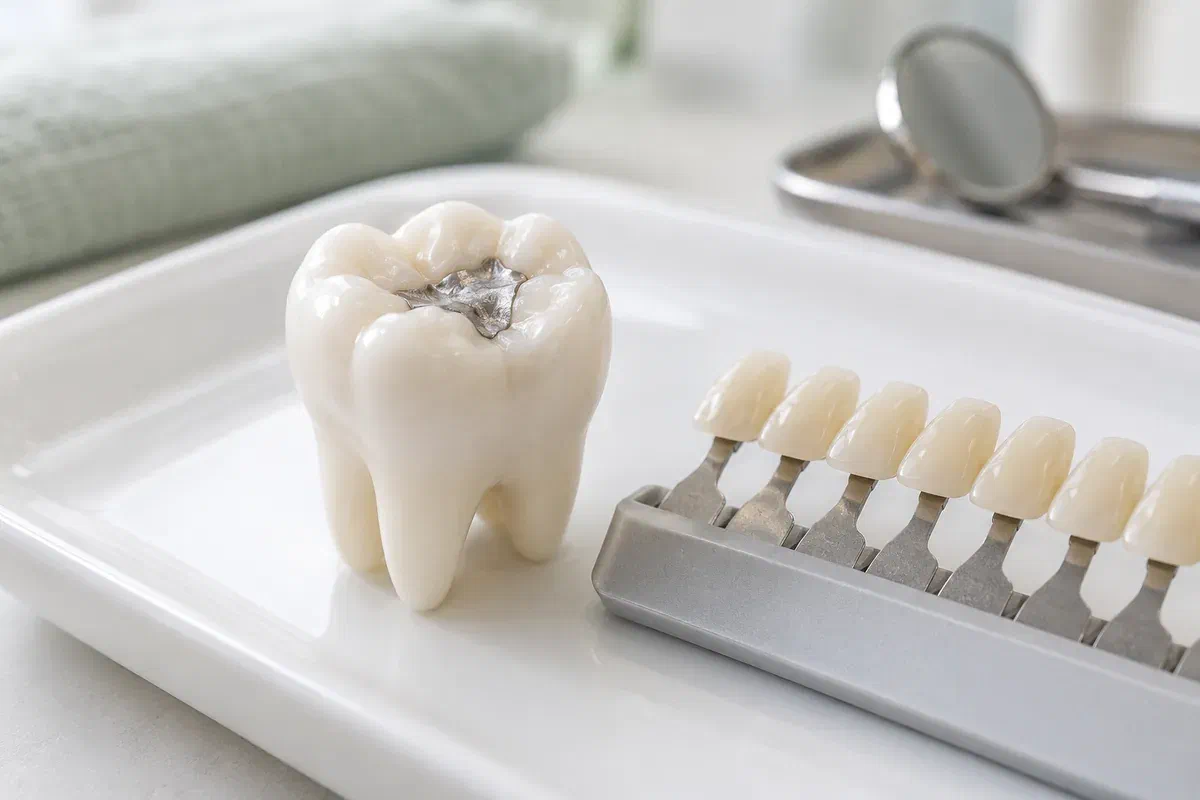
Some concerns are about the filling itself, others about how your health interacts with treatment. Sorting them out first helps the plan fit you.
Chipped amalgam, broken enamel beside it or a gap at the margin can all feel sharp. Note when it began and whether floss now catches. Dry mouth can make edges more prone to decay, so mention any change in saliva too.
Tooth pain, sensitivity or a reaction you suspect is linked to a filling needs careful assessment. The source could be the restoration, though a fractured cusp, an irritated pulp, receding gum tissue or a neighbouring tooth are all possible. For symptoms outside the mouth, your physician should be involved too, since removing a filling is not a way to diagnose a general health problem.
Some people want a metal-free mouth for personal or cosmetic reasons. We can describe the likely appearance of a white alternative, the amount of drilling it needs, and whether its ingredients raise any issues given your history. That way the choice is informed rather than hopeful.
An intact amalgam with no decay does not need removal because of its age or colour. If you have a health concern about a filling, ask what evidence links the two before choosing removal.
When a filling truly needs replacing, the restoration should seal the cavity, handle your bite and be straightforward to clean. Your medical history can influence how the appointment is run and which material is most appropriate.
Composite may suit a small or moderate cavity, while a larger repair may need an onlay or crown. If you have a known sensitivity, the dentist will consider the ingredients of each option. Ask how the plan balances your health needs with strength, appearance and preserving tooth.
Patient information: CDA — tooth-coloured filling materials
You should know whether the treatment is aimed at decay, a damaged filling, a weak cusp or a personal preference. That helps you compare replacement with monitoring, particularly if treatment carries extra medical considerations.
Ask what each material contains. If you have documented allergies, share the details. The dentist can explain which options suit both your tooth and your history.
If medications reduce saliva, decay risk rises around fillings. Discuss fluoride, saliva substitutes, sipping water and review frequency so the new restoration and surrounding teeth stay healthy.
There is time to discuss medical questions before anything begins. Let us know if allergies, medications, anxiety or cost are on your mind.
We go over medications, allergies and conditions, then examine the filling, surrounding enamel, gums and bite. X-rays may be suggested. If anything needs clarifying with your physician, we will explain why.
You discuss whether replacement is needed, the material, fee, alternatives and any medical precautions. The dentist also explains that removing an old filling can reveal more damage than expected.
If you proceed, anaesthetic is chosen with your history in mind, the tooth is kept dry, and the amalgam is removed. The tooth is checked and restored, or protected with a temporary if further planning is needed.
The bite and contacts are checked before you leave. Ask what to watch for, including any unusual reaction, and how to eat and clean around the tooth over the next few days. If more treatment is planned, confirm when and how to care for the tooth in between.
Aftercare depends on the depth of the repair, the material used and your health. Call if something does not feel right.
Avoid chewing on the treated side until full feeling returns, and be cautious with anything hot so you do not burn your lip or tongue. A temporary restoration comes with its own guidance, so follow that until the final repair is placed.
Contact us about a rash, mouth irritation, unusual swelling or a bite that feels wrong. Avoid testing the tooth on hard foods. Describing what you notice helps us decide on next steps.
Brush with fluoride toothpaste, clean between teeth and sip water often if your mouth is dry. Let us know if floss catches or food gets trapped near the new restoration.
Your health can shape your dental care in ways that are easy to overlook. These answers help you prepare for the conversation.
Patient information: FDA — decisions about existing amalgam fillings
Book time at our Bronte Street practice to talk about an old metal filling, a symptom or a material concern. We will review your health information and the tooth, then explain your options before you decide.
For severe pain or swelling, please call. Online requests are for non-urgent appointments only.
