

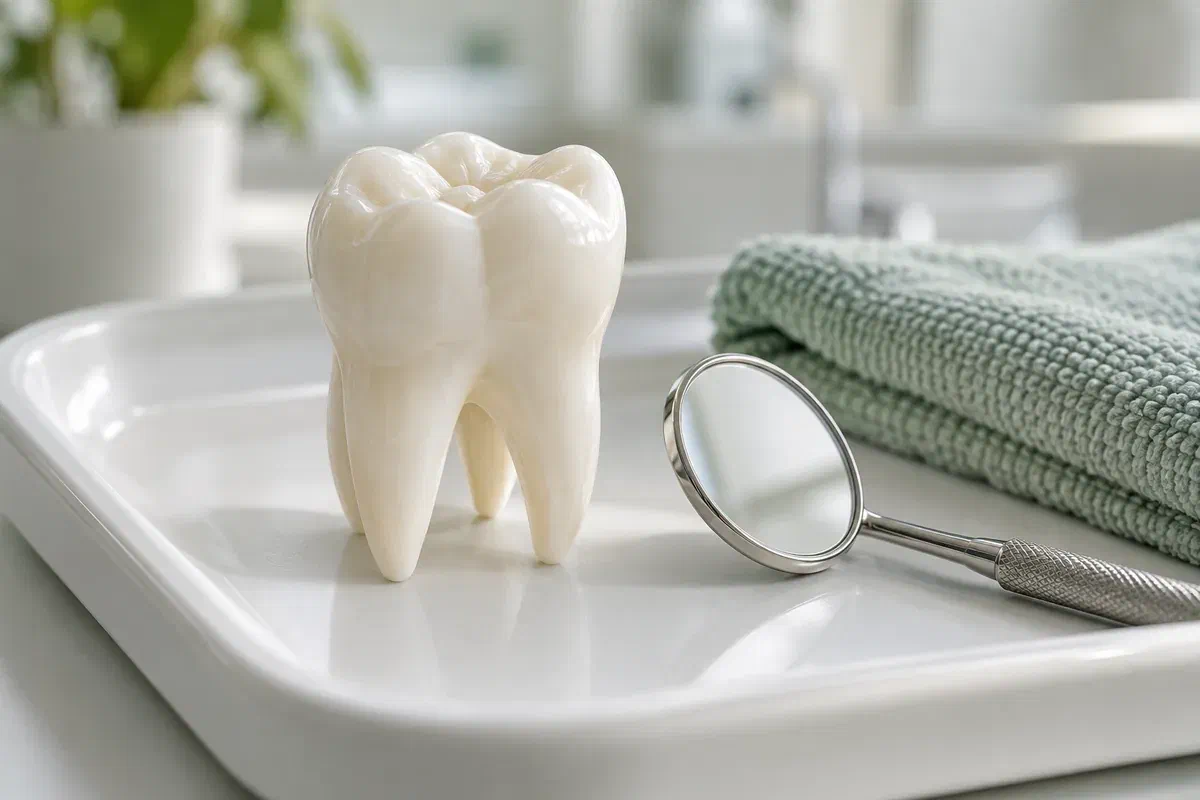
Illustrative consultation about a back tooth using a molar teaching model
Restorative Dentistry

Molar Root Canals in Etobicoke

A molar root canal can take more than one visit, so a longer trip calls for a tighter plan. From Etobicoke, we map out the stages, the final restoration and what to do if something flares in between.

Planning across the distance

Fewer trips start with a clear diagnosis

When every appointment means a longer journey, you want each one to count. That begins with knowing exactly what is wrong. A molar may need a root canal when its pulp, the soft tissue at the centre, has become infected or so inflamed it cannot heal, and keeping the tooth is still realistic.

Realistic is the key word. The dentist must confirm that the pulp is the source of the trouble and that enough healthy tooth, gum and bone remain to support a lasting restoration. An accurate diagnosis early on helps avoid wasted visits and treatment that does not fit.

For someone making the trip from Etobicoke, the conversation tends to be about logistics as much as dentistry: how many appointments, how they can be grouped, whether an endodontist should be involved, and when the protective restoration will follow. You should also leave knowing what to do if a problem arises between visits.

Start planning molar treatment
An intact molar teaching model and dental mirror on a clean tray
Before you make the trip

A clear description makes the first visit more useful

Write down when it began, how it has changed and any previous work on that side, such as fillings, crowns or an injury. Bring records from other dentists if you have them.

Biting hurts

Chewing pain can stem from a crack, a high filling, gum inflammation or the pulp. Notice whether it hurts on biting, on release or with temperature. Please do not keep pressing on the tooth to check; the bite can be assessed carefully in the chair.

An ache that lingers or wakes you

Tell us how long pain lasts after something hot or cold, and whether it appears unprompted or interrupts sleep. That history helps distinguish a pulp problem from the brief sensitivity many teeth have.

Swelling, a gum bump or a broken filling

Any of these near a back tooth should be examined even when pain is modest. Mention drainage or a bad taste. A few quiet days do not explain what is going on inside, so do not cancel because it has calmed down.

Call promptly about severe pain or swelling. If swelling interferes with breathing or swallowing, go to the nearest emergency department instead of travelling to the clinic.

Saving the molar, if it makes sense

The tooth’s future depends on more than the canals

A natural molar that still works helps you chew and keeps your bite balanced. If the internal problem can be treated and the tooth rebuilt on sound structure, keeping it may be a good goal. Fractures, remaining tooth tissue and gum support all have to be considered first.

Your dentist should explain the expected benefit honestly and avoid promises about lifespan. Ask what makes this tooth worth treating, what might work against it, and which restoration is meant to carry it forward. A saved molar is one that has been both treated and properly restored.

Patient information: AAE — understanding root canal treatment

An honest look at the tooth

Everything hinges on how well the molar will work once it has been treated and rebuilt. Ask for both the reassuring and the concerning findings so you are not surprised partway through.

Stages grouped where possible

Understanding how the canals and final restoration fit together lets you plan travel and time away from work. If a specialist is involved, clarify who does each stage, where, and how records will be shared.

Comfort for longer visits

If fewer, longer appointments suit your travel, mention any jaw fatigue, anxiety or past difficulty. Agree on how to signal for a break. The team can then plan a pace that works for you.

Mapping the visits

Know the purpose of every appointment

The number and length of visits vary with the tooth. Before starting, ask about the diagnosis, the scope, fees, alternatives and how the tooth will be protected afterward, so you can plan travel.

  1. Diagnose and assess restorability

    The dentist reviews your history, examines the tooth and uses suitable tests and X-rays. This visit settles two things: is there enough sound tooth left to restore, and would an endodontist be better placed to treat the canals? The second answer may change where later stages happen, so it is worth knowing before you plan further trips.

  2. Numbing and protection

    Local anaesthetic is given and a dental dam is placed to isolate the tooth. The clinician then creates access to the canal system. Tell the team if you feel discomfort; pausing is always an option.

  3. Canal treatment

    Canals are cleaned, shaped, disinfected and filled when appropriate. A temporary filling may protect the tooth if another visit is needed. Before you head home, ask whether the internal stage is finished and how long the temporary is expected to hold.

  4. Final restoration and review

    A permanent restoration, often covering the cusps, rebuilds the molar. Confirm the timing and the precautions until then. Follow-up looks at the tooth and surrounding tissue, not only at how it feels.

Between trips

Look after the molar on your own for a while

Keep the written instructions for your stage. The advice after canal treatment may change once the permanent restoration is placed.

Careful chewing

Avoid eating until feeling returns, and keep firm pressure off the treated tooth until it is restored. Ask what you can eat in the meantime. A temporary filling can crack on hard foods, which would mean an extra trip.

Book the next stage before leaving

Arranging your next appointment while you are at the clinic saves calls and helps keep treatment on track. If something changes, phone to discuss the unfinished work. Confirm what the next visit will cover.

Know who to call

Report increasing pain, swelling, a high bite or a lost temporary, along with when it began and which stage you completed. Follow the medication advice given for you. Keep the clinic’s number saved in your phone.

Options to compare

The right treatment follows the diagnosis

Ask why the proposed approach suits what was found. Understanding the alternatives helps you choose with confidence.

For a tooth that can be rebuilt

Root canal treatment and restoration

This route treats the internal problem and then restores the molar. Plan both stages together, including where each happens and any specialist care. A fee for the canals alone may not cover the full treatment.

When the pulp is not involved

Different care for a different problem

A filling, bite adjustment, gum treatment or another approach may fit better if the exam points elsewhere. Ask which finding supports that view. A past root canal on another tooth does not decide what this tooth needs.

When keeping it is not advisable

Extraction and replacement planning

Removal may come up if the molar cannot be restored predictably or you would rather not keep it. Discuss what the space would mean and which replacements could suit, including their separate visits and costs.

Questions from Etobicoke

Planning care when the trip is longer

Molar treatment may involve several decisions. Bring your questions, along with your calendar, to the first appointment.

(905) 876-4488
What should I do if a problem flares up and I cannot get to the clinic quickly?
Call us first for advice. If you have facial swelling that is spreading, fever, or difficulty breathing or swallowing, seek care at the nearest emergency department rather than making the trip.
Can my molar root canal be done in one longer appointment?
Sometimes. It depends on the tooth, the diagnosis and how comfortably you can keep your mouth open. Ask whether a single longer visit is suitable or whether treatment is better split into stages.
Why might I be referred to an endodontist?
An endodontist focuses on treatment inside teeth and may be recommended for complex canal anatomy, retreatment or other challenging findings. Ask where the referral would be, which stage they would provide and who would restore the tooth.
How will I know the infection around the root has healed?
Feeling better is a good sign but does not confirm healing. Follow-up appointments may include an examination and X-rays to check the area around the root. Ask when a review is recommended for your tooth.
Can I take a pain reliever before my appointment?
Follow the advice of your dentist or pharmacist and take medication only as directed. Tell the team what you took and when, since it can affect how the tooth responds to testing.
Will my treated molar change colour?
A tooth that has had root canal treatment can sometimes darken over time, though it is often less noticeable on a back tooth. A crown or other restoration usually covers most of the surface. Mention any change you notice.
Organized care for Etobicoke

Plan the whole treatment in one sitting

Begin with an assessment at our Bronte Street office and leave with a full map of the treatment, from canals to restoration. Bring your symptoms, previous records and any questions about saving the molar and minimizing trips.

For severe pain or swelling, call before you travel. Email and online requests are for non-urgent enquiries.

Visit Milton Dental Clinic
Unit 1, 342 Bronte St. S, Milton, ON L9T 5B7
Get directions Clinic hours
Monday–Thursday
11am–7pm
Friday–Sunday
By appointment only

Areas we serve

  • Milton
  • Oakville
  • Mississauga
  • Georgetown
  • Halton Hills
  • Acton
  • Campbellville
  • Brampton
  • Burlington
  • Puslinch
  • Rockwood
  • Erin
  • Caledon
  • Etobicoke
  • Old Milton
  • Bronte Meadows
  • Timberlea
  • Dorset Park
  • Dempsey
  • Clarke
  • Beaty
  • Coates
  • Harrison
  • Scott
  • Willmott
  • Ford
  • Bowes
  • Cobden
  • Walker
  • Mountain View
  • Milton Heights
  • Hawthorne Village
  • Valley View
  • Fallingbrook
  • Nassagaweya
  • Trafalgar
  • Esquesing
  • Nelson
  • Brookville
  • Moffat
  • Glen Williams
  • Norval
  • Limehouse
  • Stewarttown
  • Ashgrove
  • Hornby
  • Silver Creek
  • Speyside
  • Scotch Block
  • North Oakville
  • River Oaks
  • Glen Abbey
  • West Oak Trails
  • Palermo
  • Bronte Creek
  • College Park
  • Joshua Creek
  • Uptown Core
  • Preserve
  • Iroquois Ridge
  • Lisgar
  • Meadowvale
  • Meadowvale Village
  • Churchill Meadows
  • Erin Mills
  • Central Erin Mills
  • Streetsville
  • East Credit
  • Creditview
  • Heartland
  • Sheridan
  • Mount Pleasant
  • Credit Valley
  • Huttonville
  • Churchville
  • Springbrook
  • Northwest Brampton
  • Bram West
  • Fletcher's Meadow
  • Fletcher's Creek South
  • Alton Village
  • Orchard
  • Millcroft
  • Headon Forest
  • Tansley
  • Brant Hills
  • Tyandaga
  • Kilbride
  • Lowville
  • Aberfoyle
  • Morriston
  • Arkell
  • Hillsburgh
  • Freelton
  • Carlisle
  • Waterdown
  • Flamborough
  • Mountsberg

How can we help?

Milton Dental Clinic

Have a question about your smile? Choose the option that works best for you.

For urgent dental concerns, please call.
Messages are reviewed during clinic hours.