Chewing that feels different
A tooth may grip food less well or feel smoother on its biting surface. Mention whether it is comfortable. The dentist looks at the surface in relation to the opposing teeth and your bite as a whole.


Wondering what life is like after a worn filling is replaced? From Erin, find out what the visit involves, how the tooth may feel on the drive home and in the following days, and when to get in touch.
Plenty of people are comfortable with the idea of a new filling but less sure about the practical side. How long will it take? Can I eat afterwards? Will the bite feel strange? Knowing the answers makes it easier to plan the day, particularly from a rural home.
First, though, the dentist needs to agree that replacement is the right step. Worn restorations change gradually, with flatter surfaces, softened shapes or edges that no longer meet the tooth as closely. Some can be monitored or repaired; others need renewing. That decision comes from examining the filling, the surrounding tooth and how your teeth meet.
Households in Erin and Hillsburgh often plan around work, school and the distance into town, so let us know about timing when you book. Describe what you have noticed and share any earlier records. We will explain what we find, what treatment would involve and what to expect when you get home.
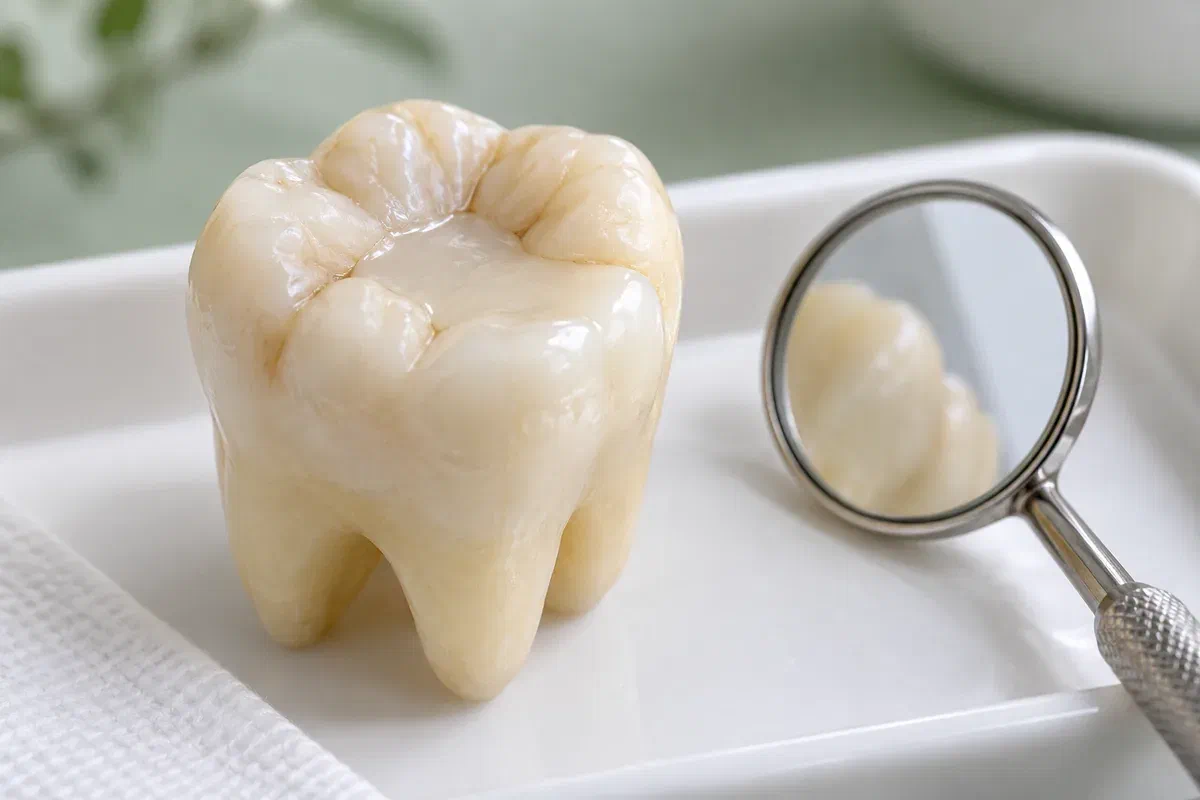
A worn filling may stand alone or be one sign of wider wear. Knowing which helps decide whether a replacement will truly address what you have noticed.
A tooth may grip food less well or feel smoother on its biting surface. Mention whether it is comfortable. The dentist looks at the surface in relation to the opposing teeth and your bite as a whole.
Floss catching or food lodging beside the filling can suggest a change in the margin or contact. Other causes are possible. Describe where and how often it happens so the right spot is examined.
If wear appears on more than one tooth or restoration, clenching or grinding may be involved. Share any history or earlier advice, because the wider pattern may change what a single replacement can achieve.
A filling is not replaced just because a certain number of years have passed. How it is doing, the tooth around it and its function today are the real guides.
Where treatment is advised, replacement aims to give the tooth a sound chewing surface and a contact that floss can pass cleanly, while still considering what caused the wear. A smaller repair is sometimes enough. Ask what finding makes treatment the better choice for you.
The material and shape are selected for the demands on that tooth. When wear is widespread or linked to the bite, replacing one filling is likely to be one part of a broader plan. That understanding helps you know what to expect afterwards.
Patient information: Cleveland Clinic — filling longevity and maintenance
You should know whether the issue lies in the surface, the edge, the tooth beneath or something else. A filling that only looks older is not, by itself, a reason for replacement.
Monitoring or a localised repair may let sound tooth and material remain. Ask what can be kept. That depends on the defect and on leaving an area you can maintain comfortably at home.
Tell the dentist about clenching, grinding or chewing habits. Protection or a broader assessment may help, since a new filling meets the same forces that wore the old one.
Your visit might be a review only, a replacement, or part of a staged plan. Ask what is planned so you can arrange the rest of your day.
The dentist re-examines the filling’s surfaces and edges, the tooth around it and your bite, and reviews any records. Imaging is used if it adds information. Mention any recent change, pain or chewing difficulty.
Monitoring, repair and replacement are discussed, along with materials, fees and any broader wear assessment. If the filling is to be watched instead, confirm what will be checked and which changes should prompt a call.
When you go ahead, the tooth is numbed as needed and kept dry. How much old material comes out depends on what is found. The new surface is built up and shaped so the tooth can function well.
The bite and contacts are checked against nearby teeth. Ask how to clean the area and whether a follow-up is planned, and confirm any further step for wider wear.
Follow the instructions for your particular repair. Ordinary eating and cleaning will tell you how the tooth is settling, so there is no need to test it on very hard food.
If you have a drive home, you may still be numb when you arrive. Wait for feeling to return before chewing, and take care with hot food or drinks. Follow any extra advice for the material or a temporary stage.
Call if the tooth feels high, meets before the others or chewing stays uncomfortable. Describe an ordinary bite rather than pressing repeatedly. A phone call can help decide whether a short adjustment visit is needed.
Brush and floss as normal unless told otherwise, and keep your review appointments. If a night guard was suggested, ask how to fit it in. Let us know if an existing appliance is damaged.
A review should help you understand the filling’s condition, the reason for the plan and what recovery will be like.
Arrange an appointment at our Bronte Street practice and tell us how you would like to plan the day. After examining the worn filling, we will say whether monitoring, repair or replacement suits it, and walk you through how treatment would run.
Phone if the tooth becomes painful or the filling breaks. Online requests are for non-urgent bookings.
