Missing bone volume
Where an implant is planned, the bone must allow it to sit in a position that supports a natural-looking tooth. If width or height is lacking, the implant may end up too deep or angled. Scans reveal what the surface hides.


Sometimes it is a photo that gives it away: a shadowed dip above a missing or replaced tooth. For people from Burlington, we look at whether bone, gum or tooth design is behind it and whether ridge augmentation would help.
Next to its neighbours, a replacement tooth can look a little too long, or a dark triangle can appear where gum ought to be. Often the cause is the ridge, the band of jawbone that remains once a tooth is lost. Over time it can sink or narrow, and augmentation is a way to rebuild it when that suits the plan.
Not every hollow is a bone problem. Thin gum tissue, the shape of a bridge or crown, or a mix of these can create the same effect. And a gap that looks fine may still lack bone for an implant. Only examination, and often imaging, can separate these.
Visitors from Burlington usually arrive with a specific worry about how the tooth looks. At our Bronte Street practice we start there, then examine the site and explain what further assessment, specialist advice or ridge treatment might contribute to the finished result.
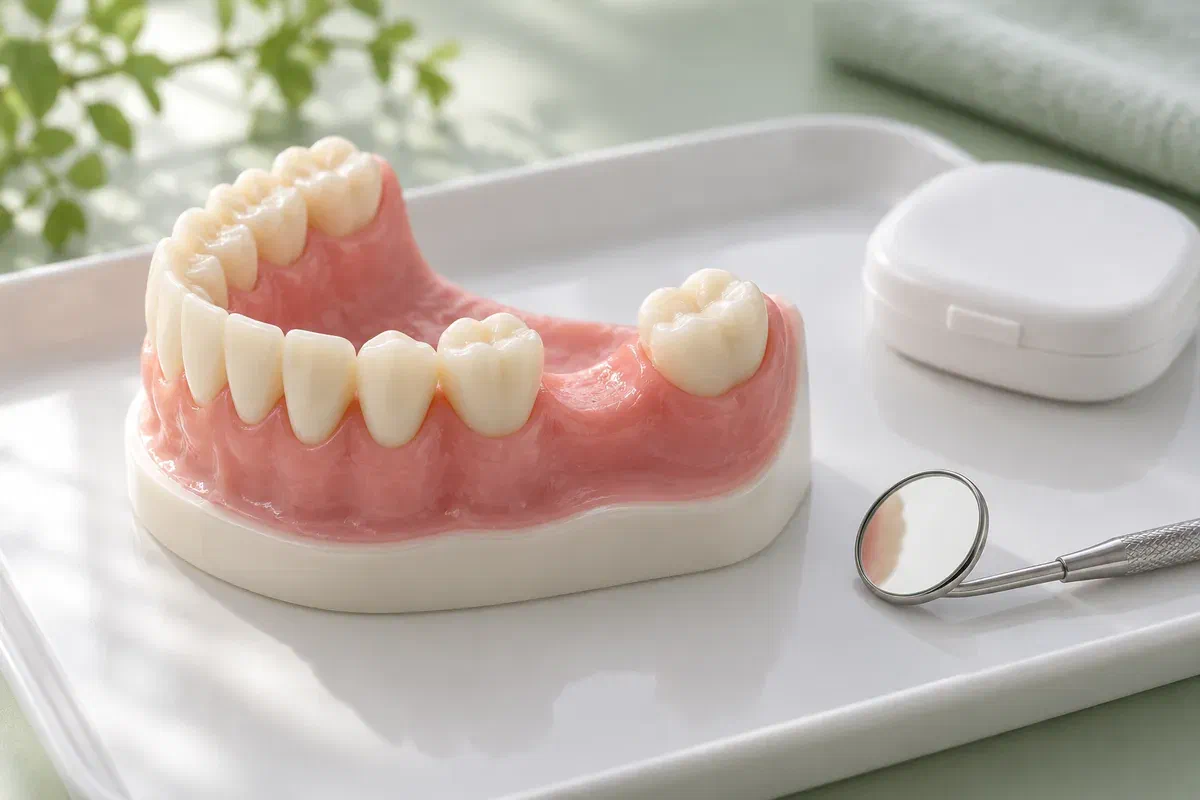
Each of these can change how a replacement looks. Ask which one the clinician thinks is responsible, because the answer steers the treatment.
Where an implant is planned, the bone must allow it to sit in a position that supports a natural-looking tooth. If width or height is lacking, the implant may end up too deep or angled. Scans reveal what the surface hides.
Point out what catches your eye: the gum level, a shadow, or how the tooth meets the gum when you smile or wear a partial. That detail helps decide whether bone, soft tissue, the restoration’s design, or several of them need attention.
An extraction, an accident, or a previous graft or implant can all affect today’s contour. Let us know about them. Past work explains a lot, but it does not confirm that the ridge is ready for whatever comes next.
A visible hollow does not always call for ridge augmentation. The decision rests on the replacement being planned.
When it is the right step, augmentation aims to give the planned replacement a site that suits it, so an implant can be placed where the crown needs to be, or the gum line can follow its neighbours more closely. Ask exactly which change your clinician is aiming for.
There is a trade-off. Grafting may involve surgery, a healing period, extra visits, and sometimes more treatment later. An honest conversation names those alongside the expected improvement, and it will not promise a certain amount of new bone, a perfect contour, or a guaranteed implant.
Patient information: AAP — ridge modification for implant planning
Ask to see, on a model or image, where the new tooth would sit and why the ridge gets in the way. Seeing the gap between today and the goal makes the reasoning concrete.
Grafting can happen with implant placement or before it, with healing in between. Find out which is planned and why, which helps you work out timing and what you will wear meanwhile.
Different procedures use different graft and membrane materials. Share any preferences about their source in advance. You should understand the plan and whether a change of material would alter it.
Timing and method depend on the defect and the restoration. Ask who will carry out each stage and where follow-up is booked.
The clinician checks the gap, any imaging, your gum health and medical history, and how the area shows when you smile. Mention smoking, medicines, earlier grafts, or slow healing before. Describe the look you are hoping for.
You will go over technique, materials, recovery, fees and alternatives. Ask about a second donor site, membranes, and any later visit to remove material. Agree how the gap will be filled while you heal.
If you go ahead, treatment follows the technique and comfort arrangements already discussed. Instructions specific to your procedure follow. Surgery and recovery differ, so rely on your own guidance.
At review, the clinician assesses healing and when to plan the next step. A gum that looks settled does not mean the bone is ready. Ask what criteria they use before moving on to the tooth itself.
Keep your written aftercare advice and phone numbers within reach. Check whether exercise, cleaning or an appliance might press on the ridge.
A removable partial might need adjusting or setting aside for a time. It should not rest on the area unless your clinician says so. Plan ahead for how you will eat and how the gap will look.
You will receive steps for cleaning near the site and elsewhere, plus eating advice. Avoid lifting your lip to check on it in the mirror. Ask before altering anything.
Go to follow-ups even when comfortable. Contact the treating team about rising pain, renewed bleeding, discharge, or a wound that opens. They will judge whether it is expected.
Patient information: Cambridge University Hospitals — bone grafting for implants
We can show you the site and the options on a model or screen. Ask about recovery as well as the final look.
Book time with us at our Bronte Street practice to examine the ridge where a tooth is missing or replaced. We will discuss what you see, explain any further assessment, and talk through whether augmentation or another approach suits you.
If an earlier surgical site has changed, use the contact details from your treating clinician or call us for guidance.
