How much bone remains
Width and height at the gap decide whether an implant could sit in the right position without extra bone. Nerves, the sinus and neighbouring roots matter too. Imaging can record a baseline to compare against later.


Some people would rather leave a gap alone for now, and that can be a reasonable choice. From Bolton and across Caledon, learn what tends to happen to the ridge over time and when augmentation might enter a replacement plan.
It is a fair question, especially when budgets, work and family plans compete for attention. After a tooth is lost, the bony ridge that held it often remodels, and it may become narrower or lower. Ridge augmentation is a way of rebuilding that ridge if a future replacement needs more support or a better outline.
Waiting does not automatically commit you to a graft, and acting quickly does not always avoid one. What matters is what the site looks like on examination and imaging when you are ready to decide, and which replacement you have in mind. The gum surface rarely tells the whole story.
For households in Caledon weighing the timing, our Bronte Street practice can look at the site now, even if treatment is some way off. We will explain the current findings, any further assessment or specialist advice that would help, and how ridge treatment could fit later.
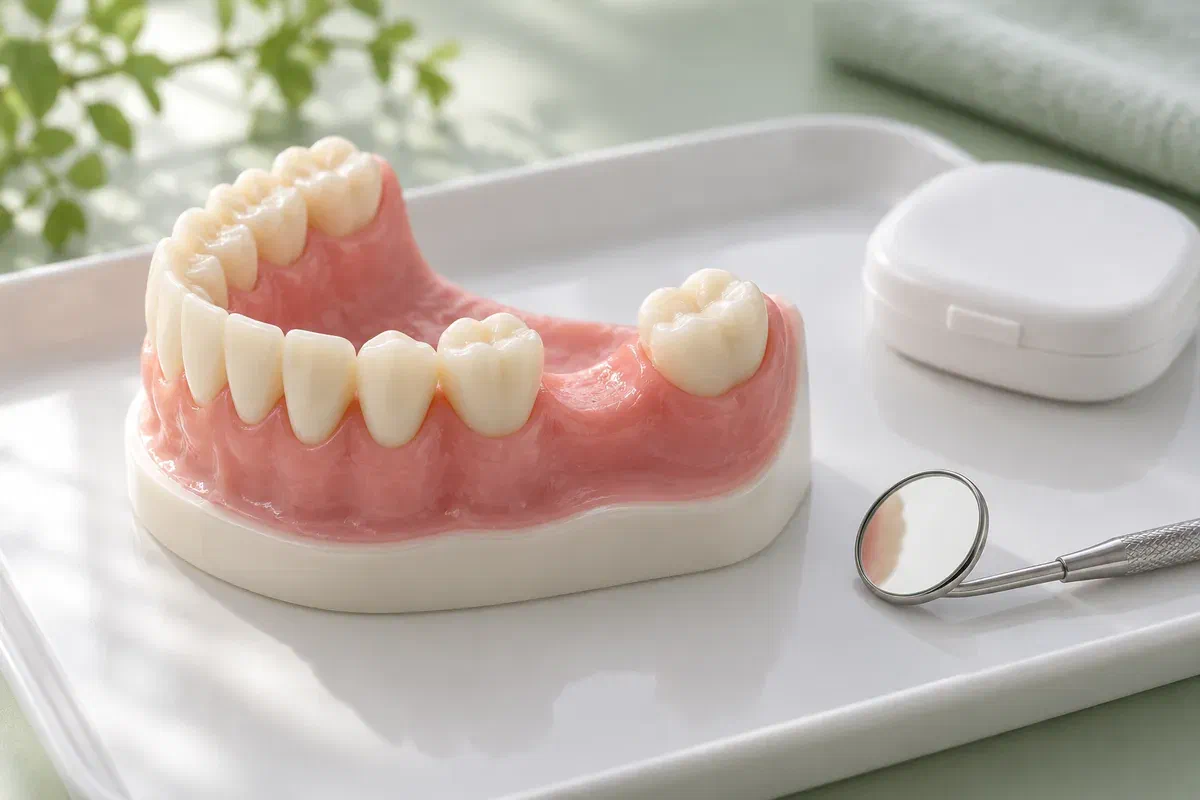
Examining the ridge, the structures around it and the replacement you may want gives a baseline. Ask which finding would make augmentation likely if you went ahead.
Width and height at the gap decide whether an implant could sit in the right position without extra bone. Nerves, the sinus and neighbouring roots matter too. Imaging can record a baseline to compare against later.
Over time, a hollow can develop that would affect how a bridge, partial or implant crown looks. Mention any change you have noticed. Bone, gum tissue and restoration design may all be part of the eventual answer.
How the tooth was lost, and whether socket preservation, grafts or implants were done before, can shape what comes next. Share what you know. Past treatment does not confirm the ridge will be ready when you are.
A delay in treatment is not a guarantee that you will need augmentation. Whether it is needed depends on the site at the time and the replacement you choose.
When indicated, augmentation aims to give the planned replacement a more suitable base, perhaps enough bone for an implant to go where the crown belongs, or a contour that lets the new tooth look natural. Ask what grafting would allow in your case that the current site would not.
Weigh the demands too: surgery, a healing period, review visits and possibly further treatment. The amount of bone gained cannot be promised, and a graft does not guarantee a later implant outcome. Those facts apply whether you decide this year or in several years.
Patient information: AAP — ridge modification for implant planning
Ask to see where a future tooth would sit and what the ridge would need to support it. Even if treatment is later, understanding the goal helps you decide when to act.
Grafting may be combined with implant placement or done first, with healing between. Ask which is likely for your site, so you can fit treatment around family and work when the time comes.
Graft and membrane options depend on the procedure. If you have preferences about where materials come from, mention them early, and ask whether alternatives would change the plan.
Technique and timing depend on the site and the tooth you choose. Ask who will carry out each step and where you will be seen afterwards.
The gap is re-examined, with fresh imaging if useful, and your gums and medical history reviewed. Mention smoking, medications, earlier grafts or slow healing. Explain which replacement you now favour and why.
Expect an explanation of technique, materials, recovery, fees and alternatives. Ask whether bone would be taken from another area of your mouth, whether a membrane is used, and whether a removal visit might follow. Plan the temporary tooth.
If you go ahead, the site is treated with the agreed method and comfort plan. Written guidance for your procedure follows. Recovery varies between people, so follow your own instructions closely.
Follow-up visits check the area and set the timing for the next assessment or stage. A settled gum is encouraging but not enough on its own. Ask what needs to be seen before the restoration is booked.
Keep written instructions and contact details where everyone at home can find them. Ask whether exercise, cleaning or an appliance might press on the treated ridge.
A partial you have relied on while waiting may need trimming, relining or a break. It should not sit on the graft unless your clinician says so. Think through eating and appearance before the surgery date.
You will receive steps for cleaning near the site and elsewhere, and advice on food. Avoid tugging your lip or touching the area to look. Check with the team before changing anything.
Attend every review even when comfortable. Call the treating team about pain that worsens, renewed bleeding, discharge, or a wound that opens. They can judge whether it is part of normal healing.
Patient information: Cambridge University Hospitals — bone grafting for implants
We can explain your site using a model or image, even if treatment is not planned yet. Ask about recovery and the final tooth as well.
A baseline visit at our Bronte Street practice records how the ridge looks today. From there we can talk about which replacement you might eventually choose, what assessment would come first, and whether grafting is likely to feature, now or further down the road.
If an area that has already been treated changes, follow your treating clinician’s contact instructions or call us for advice.
