How much bone is lacking
A small shortfall beside a planned implant is a different job from a ridge that has lost a lot of width or height. Nearby anatomy matters as well. Imaging normally shows the size of the defect far better than the gum can.


Ridge augmentation rarely fits into a single appointment. For people in Mississauga planning around busy calendars, we set out how grafting might be sequenced with an implant, how long healing could take, and what else to consider.
People often ask first how long the whole thing takes. The honest answer depends on the site. After tooth loss, the supporting jawbone, or ridge, can lose width or height. Augmentation adds to it so a planned replacement, frequently an implant, has suitable support or a better contour.
Sometimes that happens at the same visit as the implant. Other times the graft is left to heal before anyone decides on the next stage. Which applies hinges on measured findings, not on how big the gap looks, because the gum surface says little about the bone below.
For anyone travelling in from Mississauga, our Bronte Street practice begins by understanding the replacement you have in mind and examining the site. We then outline the likely steps, whether a specialist would be part of them, and where ridge treatment would fall in the timeline.
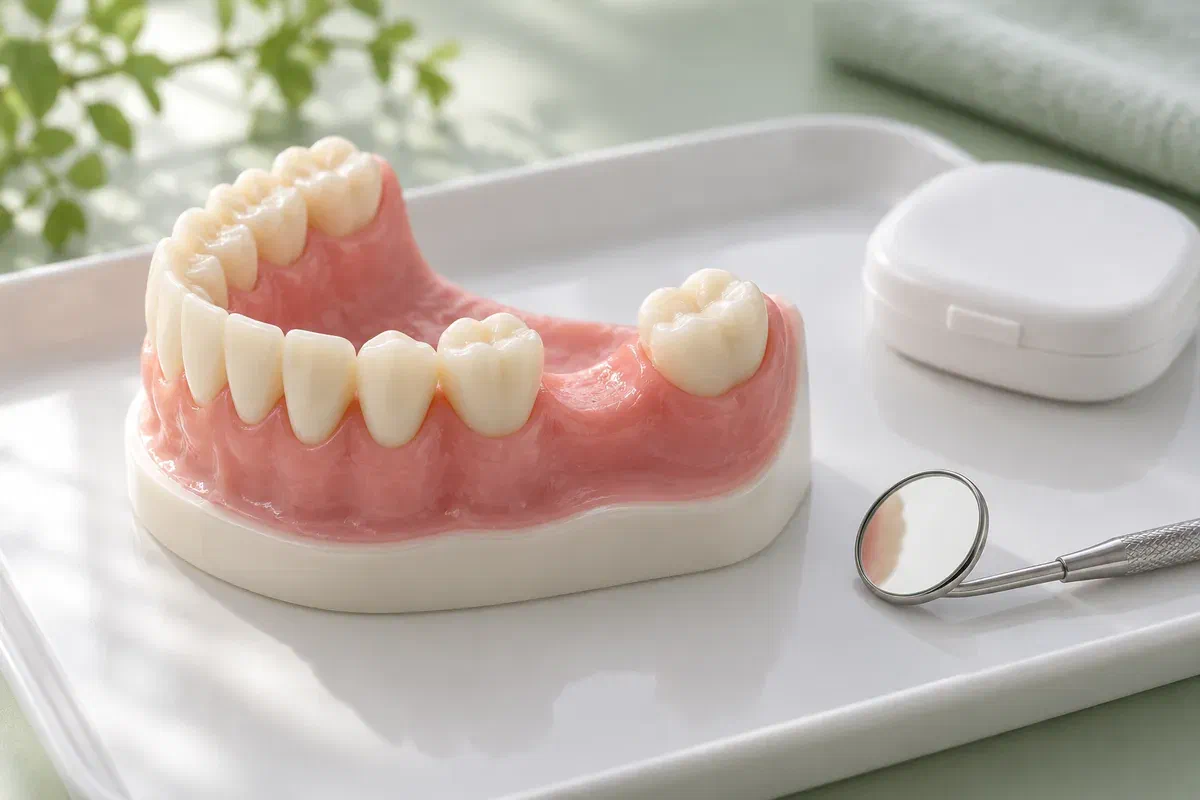
The size of the defect, where it sits and what the final tooth needs all shape the sequence. Ask which factor is setting the pace in your case, and whether anything you could do, such as stopping smoking, might affect it.
A small shortfall beside a planned implant is a different job from a ridge that has lost a lot of width or height. Nearby anatomy matters as well. Imaging normally shows the size of the defect far better than the gum can.
If the concern is a hollow that affects how a new tooth will look, the plan may include bone, gum work, or changes to the tooth design. Tell us what you notice. That shapes which steps are needed and in what order.
Previous extractions, grafts, implants, or injury at the site can lengthen or shorten the plan. Bring what details you have. A past graft is useful history, but the site still needs checking before anything is built on it.
Not every gap or implant plan needs augmentation. The need is judged against the specific replacement you choose.
When grafting is indicated, its purpose is to give the next stage better conditions: an implant that can go where the crown needs it, or a ridge shape that lets the replacement blend in. Ask what the extra months are meant to achieve for you.
Be clear-eyed about what you are signing up for. There may be surgery, healing time, several reviews, and occasionally further procedures. No clinician can guarantee how much bone will form or promise an implant outcome, and a good plan says so up front.
Patient information: AAP — ridge modification for implant planning
Ask to see where the final tooth will sit and what the ridge needs to support it. Knowing the target makes the steps between here and there easier to follow.
Ask for the planned order of consultation, grafting, healing, review and restoration. Knowing whether stages are combined or separated helps you schedule work, family plans and a temporary tooth.
Graft and membrane choices vary with the procedure and can affect the plan. Raise any preferences about material sources early, and ask whether an alternative would change the timeline.
Exact timing depends on the defect and the restoration. Ask who carries out each stage and where your appointments will be.
The site is examined and imaging reviewed where needed, along with your gum health and medical history. Tell us about smoking, medications, past grafts, or slow healing. This visit also clarifies what the replacement should achieve.
Technique, materials, expected recovery, fees, alternatives and timing are explained. Ask whether a membrane or donor site is involved and whether a removal visit might follow. Agree how the gap will be managed in the meantime.
If you proceed, the site is treated using the planned method and comfort arrangements. You receive instructions written for your procedure. Recovery varies, so build your plans around your own guidance rather than a typical case.
Reviews track healing and determine when the next assessment or stage can happen. Comfort alone does not show that the bone is ready. Ask what the clinician will check before the implant or restoration is scheduled.
Keep your instructions and contact numbers close. Before booking busy days, ask whether exercise, cleaning or an appliance could press on the area.
A partial or denture may need adjusting or leaving out for a period. Do not let it rest on the site unless you are told it can. Plan for meetings and meals so the interim look and chewing are not a surprise.
You will be given cleaning and eating instructions for the area and the rest of your mouth. Avoid checking the site by pulling your lip. Ask before making changes.
Attend follow-ups even when things feel fine. Call the treating team about worsening pain, bleeding that returns, discharge, or a wound that opens up. They can tell whether that is part of healing.
Patient information: Cambridge University Hospitals — bone grafting for implants
We can show the site and sequence with a model or image. Ask about recovery as well as the final restoration.
Come to our Bronte Street practice for a consultation about the ridge at a missing-tooth site. We will review the replacement you are considering, outline the likely sequence, and discuss whether augmentation or another pathway fits.
If something changes at a site that has already been treated, follow your treating clinician’s instructions or call us for advice.
